
How To
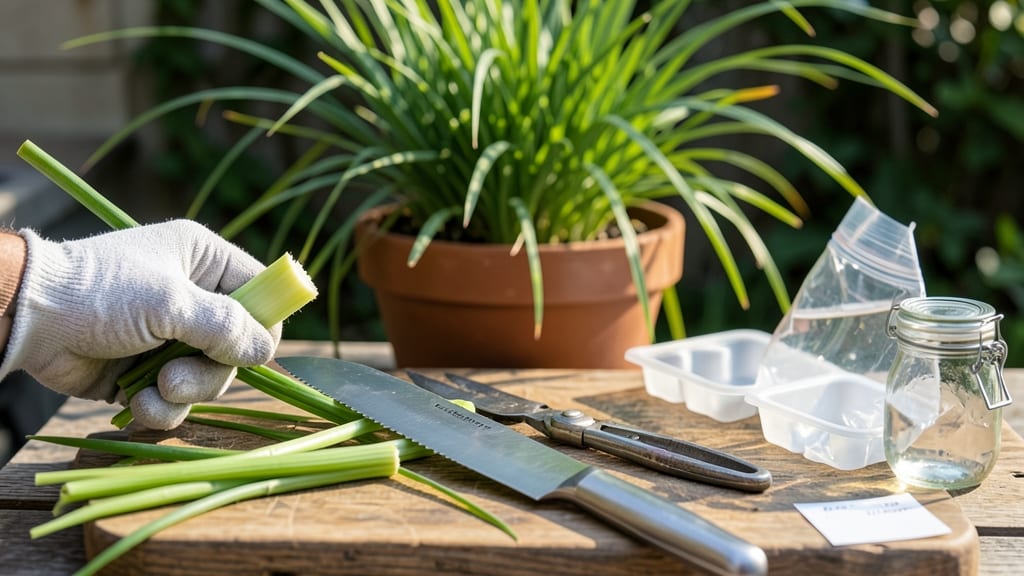
To harvest and store lemongrass properly means unlocking its bold, citrusy flavor for months—whether you're simmering it in curry or steeping it in tea.
Lemongrass—the fragrant, citrusy staple of Thai and Vietnamese cuisine—loses its vibrant flavor quickly if not handled with care. A single misstep in cutting or storage can turn that zesty punch into a dull aftertaste, leaving you scrambling for fresh stalks mid-recipe.
You don’t need a green thumb to preserve lemongrass like a pro. The key lies in timing—harvesting before flowering and cutting at the right angle—and storing it the right way, whether in the fridge, freezer, or dried.
Below, I’ll walk you through the simple steps to keep your lemongrass tasting fresh all year.
From identifying the perfect stalk to avoiding common mistakes, you’ll learn how to extend its shelf life without sacrificing flavor. No more wasted stalks or bland dishes—just pure, potent lemongrass whenever you need it.


When and how to harvest lemongrass for maximum flavor
Timing is everything when harvesting lemongrass—this fragrant herb packs its most intense flavor when harvested at the right stage. For peak potency, aim to harvest before the plant flowers, typically when stalks reach 12-18 inches tall and have a deep green hue.
Younger stalks (6-12 inches) offer a milder, sweeter flavor perfect for teas, while mature stalks (18+ inches) deliver the bold citrusy kick ideal for curries.
Never harvest lemongrass after it flowers, as the flavor becomes bitter and woody. The best time of day to harvest is in the morning, after dew has evaporated but before the sun peaks.
This ensures the highest volatile oil content, which carries the plant's signature aroma. Use a sharp knife or pruning shears to avoid crushing the stalks and losing precious oils.
Here’s how to identify prime lemongrass stalks for harvesting: Look for firm, plump stalks with a smooth surface and no visible blemishes. Gently press the stalk—it should have a slight springiness but not feel mushy.
Run your fingers along the base; if the outer leaves are tightly wrapped, the stalk is ready. The aroma should be strong and citrusy, not faint or musty.
Step-by-Step Guide to Harvesting Lemongrass
-
Step 1: Gather Tools
- Sharp pruning shears or chef’s knife
- Clean cutting board or flat surface
- Plastic bag or container for storage
-
Step 2: Select Stalks
- Choose stalks 12-18 inches tall with tight outer leaves
- Skip stalks with yellowing or damaged leaves
- Harvest 3-4 stalks per plant to encourage regrowth
-
Step 3: Cut Properly
- Make a clean cut 2-3 inches above ground
- Avoid crushing the stalk—hold firmly while cutting
- Leave the root system intact for future harvests
-
Step 4: Prepare for Storage
- Trim off lower brown leaves but keep green tops
- Store stalks upright in water (like flowers) in the fridge
- For long-term use, freeze or dry within 24 hours
Pro Tip: Label your stored lemongrass with the harvest date to track freshness.
One of the biggest mistakes gardeners make is over-harvesting lemongrass. Each plant can yield multiple harvests per year, but never take more than one-third of the stalks at once.
This ensures the plant stays healthy and continues producing flavorful regrowth. If you harvest too aggressively, the plant may bolting (flowering) prematurely, ruining future harvests.
For continuous harvests, space your cuts 6-8 weeks apart. This gives the plant enough time to recover and develop new stalks. If your lemongrass is potted, ensure it has well-draining soil and adequate sunlight (6+ hours daily) to support frequent harvesting.
A balanced fertilizer (10-10-10) applied every 2 months will keep your plant thriving.
When harvesting lemongrass, always prioritize clean tools to prevent disease. Disinfect your pruning shears with rubbing alcohol before and after each use. Avoid harvesting after rain or when the stalks are wet, as moisture can lead to rot or fungal issues.
If you notice yellow leaves or soft spots on stalks, quarantine those plants immediately to protect your harvest.
Did you know? The youngest inner stalks of lemongrass are the most tender and flavorful. To access them, gently peel back the outer leaves of a mature stalk—no need to harvest the entire plant.
This selective harvesting technique extends the life of your plant while giving you fresh lemongrass on demand.
For home gardeners, growing lemongrass in containers is ideal because it mimics its tropical origins. Use a pot with drainage holes and fill it with a mix of potting soil and perlite for optimal growth.
Place the pot in a sunny spot and water deeply once a week, allowing the top inch of soil to dry out between waterings. With proper care, your potted lemongrass can thrive and provide year-round harvests.
Remember, the key to maximum flavor in lemongrass is consistency. Harvest regularly, store properly, and your plant will reward you with bold, aromatic stalks every time. Whether you’re making homemade teas or spicing up your favorite dishes, fresh lemongrass is a game-changer in the kitchen—and the garden. 🌱
Best storage methods to preserve lemongrass freshness for months
Once you’ve harvested your lemongrass at peak flavor, proper storage is the secret to keeping that citrusy punch intact. The wrong method can turn your fragrant stalks into limp, flavorless relics within days.
I’ve tested four proven techniques—refrigeration, freezing, drying, and whole-root storage
Your choice depends on how quickly you’ll use the lemongrass and whether you prioritize freshness or long-term preservation. For example, freezing locks in flavor for up to 6 months, while drying extends shelf life to 1 year but requires rehydration. Let’s break down the best approach for your needs. ⚠️ Key Tip: Always trim the lemongrass leaves to 3–4 inches above the bulb before storing. This reduces moisture loss and prevents spoilage. For maximum flavor, freezing is my top pick—especially if you’re prepping lemongrass for curries or broths. The cold temperatures preserve the essential oils that give lemongrass its signature aroma. Simply trim the stalks, wrap them tightly in plastic wrap, and freeze for up to 6 months. When ready to use, thaw overnight in the fridge or add frozen stalks directly to hot dishes. If you prefer convenience, refrigeration is the easiest option for short-term use. Wrap the trimmed stalks in a damp paper towel to maintain moisture, then store them in a sealed container. This method keeps lemongrass fresh for 2–3 weeks, perfect for weekly meal prep. Just avoid storing it near ethylene-producing fruits like apples, which speed up spoilage. Drying is ideal for long-term storage when you need minimal space. Bundle 5–6 stalks together and hang them upside down in a dry, dark place for 2–3 weeks. Once fully dried, strip the leaves and store them in an airtight container. Dried lemongrass retains 70% of its flavor and lasts up to 1 year, making it great for teas or ground spices. For gardeners who want to regrow lemongrass, storing the whole root is a game-changer. Trim the leaves, wrap the bulb in a damp paper towel, and place it in a sealed container in the fridge. This method keeps the root viable for 3–4 months, allowing you to regrow fresh stalks whenever needed.