
How To
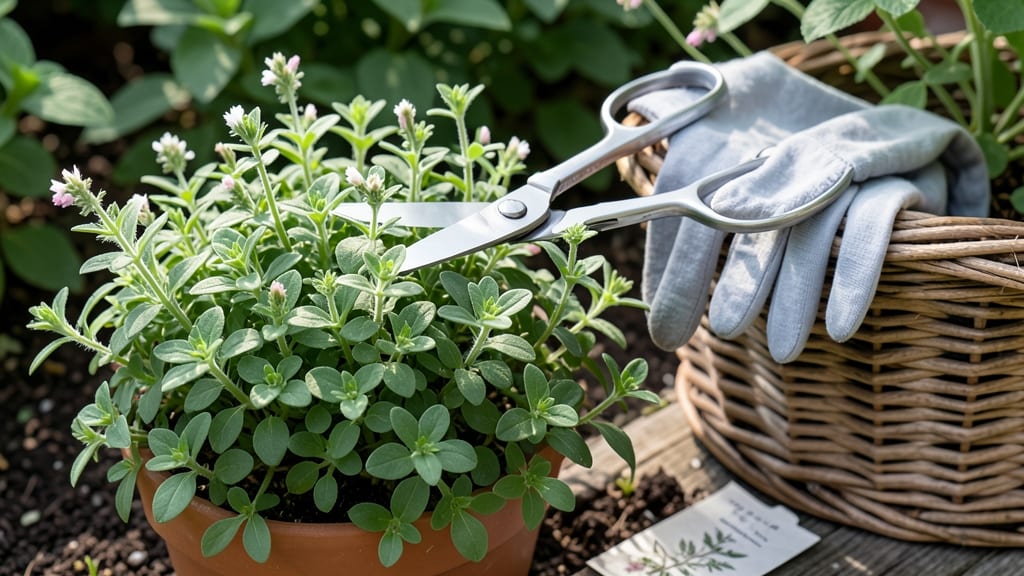
To harvest marjoram at its peak flavor, you’ll want to snip stems just before flowering—when the leaves are lush and fragrant 🌿.
Marjoram’s delicate, piney flavor peaks when harvested at the right time—but timing it wrong means bitter leaves and stunted regrowth. Learn the exact steps to snip stems for the freshest, most aromatic marjoram, plus how to coax your plant into a second harvest.
Most gardeners miss the best window because they wait too long, letting the plant bolt into flowers. The secret? Cut stems back by one-third when they reach 6-12 inches, always above a leaf node to encourage bushier growth.
In this guide, I’ll walk you through the best tools for clean cuts, how to dry or store your harvest, and even how to revive your marjoram for a second round of flavorful leaves by late summer.


When and how to harvest marjoram for peak flavor and regrowth
Timing your marjoram harvest is everything—cut too early, and you’ll get sparse, underdeveloped leaves. Harvest too late, and the flavor turns bitter as the plant focuses on flowering. The sweet spot? Early morning after the dew dries but before midday heat dulls the oils.
This is when the aromatic compounds are at their peak, making your marjoram taste like sunshine in a pinch.
Marjoram thrives when you harvest it before flowering, ideally when stems reach 6-12 inches tall and leaves are fully developed. Wait until the plant shows buds, and you’ll sacrifice flavor for seeds.
The best time of year? Mid-summer (July-August) in most USDA zones, when your plant is lush but hasn’t yet bolted. Pro tip: Crush a leaf—if it smells strongly piney, it’s harvest-ready.
| Harvest Stage | Key Visual Cues | Tools Needed | Best Time |
|---|---|---|---|
| Early Growth | Leaves small, sparse, weak aroma | None (avoid cutting) | N/A |
| Ideal Harvest | 6-12" tall, vibrant leaves, strong piney scent | Sharp scissors or clean fingers | Early morning, July-August |
| Late Harvest | Flowers appear, leaves taste bitter | Pruners (for cleanup) | Avoid—save for seeds |
| Post-Flowering | Woody stems, minimal regrowth | Shears (for pruning) | Late summer (cut back) |
For harvesting, I always reach for sharp scissors or clean pruning shears—never your fingers unless you’re pinching tiny stems. Cut just above a leaf node (where leaves meet the stem) at a 45-degree angle.
This encourages new growth from that spot while preventing water from pooling on the cut. Avoid taking more than one-third of the plant at once, or you’ll shock the marjoram into dormancy.
If you’re harvesting for drying, bundle stems together and hang them upside down in a dark, well-ventilated area. For fresh use, store stems in a glass jar with paper towels to absorb moisture.
Pro move: Label your jars with the harvest date—fresh marjoram stays vibrant for 1-2 weeks in the fridge, while dried leaves keep their flavor for 6-12 months if stored properly.
To maximize regrowth, never cut into old, woody stems—they won’t sprout new leaves. Instead, focus on the tender, green growth at the tips. After harvesting, give your marjoram a light fertilizer (like a 5-10-10 blend) to encourage bushier growth.
Within 2-3 weeks, you’ll see fresh shoots emerging, ready for another round of snipping.
Marjoram’s perennial nature means it can regrow for years if cared for properly. In USDA zones 8-10, it may even overwinter with a thick mulch layer. For colder climates, treat it as an annual and replant from seeds each spring.
Either way, the key to year-round harvests is consistent pruning and avoiding heavy cuts in late summer.
One common mistake? Harvesting after rain when leaves are damp. This speeds up spoilage and attracts pests. Always wait until the morning dew evaporates or harvest in the late afternoon if rain is in the forecast.
Another tip: Rotate your harvests—don’t always cut from the same side of the plant. This keeps marjoram balanced and bushy.
For container-grown marjoram, harvest more frequently (every 2-3 weeks) to prevent overcrowding. Potted plants have limited root space, so pruning stimulates denser foliage. If your marjoram starts looking leggy or sparse, it’s begging for a trim.
Just remember: Less is more—a little regular harvesting beats one big, stressful cut.
Finally, keep an eye out for pests like spider mites after harvesting. Stress from cutting can make plants vulnerable. Spray with neem oil if you spot webbing or tiny dots on the leaves.
With the right timing and care, your marjoram will reward you with flavorful leaves all season long. 🌿
Step-by-Step guide to harvesting marjoram without damaging the plant
Harvesting marjoram at the right time ensures maximum flavor and encourages bushier regrowth. The key is to cut stems just before flowering—when leaves are fully developed but flowers haven’t yet formed. This prevents bitterness and keeps your plant healthy for future harvests.
Use clean, sharp pruning shears or your fingers to avoid crushing stems. Never cut more than one-third of the plant at once, or you’ll stress the marjoram and reduce its ability to regrow. Focus on the outer stems first to promote airflow and prevent disease.
How to Harvest Marjoram Step-by-Step
- ✂️ Step 1: Choose the Right Stems
Select healthy, non-flowering stems that are at least 4-6 inches tall. Avoid stems with yellowing leaves or signs of pests. - 🌿 Step 2: Cut at the Correct Angle
Use clean pruners to cut stems at a 45-degree angle, about 1-2 inches above a leaf node. This encourages new growth from the node. - 🌱 Step 3: Harvest Early in the Day
Pick stems in the morning after dew dries (before 10 AM) for the strongest essential oils and flavor. - 💧 Step 4: Water Immediately After
Give your marjoram a deep watering post-harvest to replenish moisture lost during cutting and support recovery. - 🌡️ Step 5: Dry or Store Fresh
Drying: Hang stems upside down in a dark, well-ventilated space for 1-2 weeks.
Fresh Storage: Wrap stems in a damp paper towel and refrigerate for up to 1 week.
After harvesting, inspect your marjoram for damaged or diseased leaves and remove them immediately. This prevents pathogens from spreading to healthy growth. If your plant looks sparse, trim back any woody or overgrown stems to encourage new, tender shoots.
For long-term storage, dry the leaves completely and store them in an airtight container away from light. Label the container with the harvest date—properly dried marjoram retains flavor for up to 1 year. If storing fresh, use within 5-7 days for peak freshness.
With the right technique, you can harvest marjoram multiple times per season. Just remember: less is more—over-harvesting weakens the plant and reduces future yields. A little patience now means bigger, bushier marjoram later! 🌿