
How To
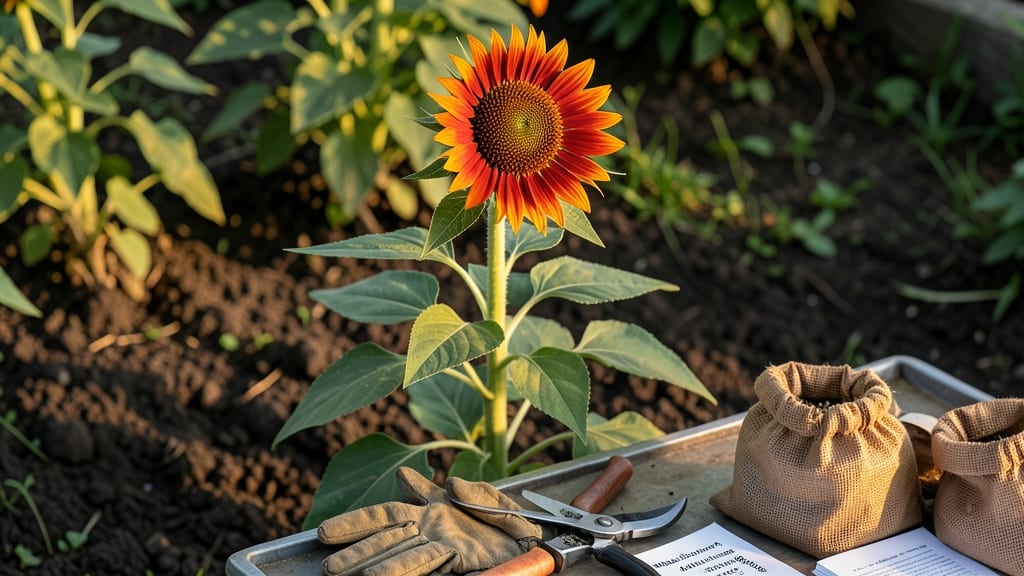
Harvesting Mexican sunflower seeds at the right time turns your 🌻 garden into a seed bank for bird feeders, crafts, or even natural dyes.
But here’s the catch: Wait too long, and the seeds scatter before you can collect them. Rush it, and you’re left with shriveled, nonviable seeds that won’t sprout.
In this guide, I’ll walk you through the exact visual and tactile cues—like brown flower heads that rattle when shaken—that signal peak harvest time.
You’ll also learn how to dry, store, and troubleshoot common issues like premature seed drop, so you end up with a stash of plump, ready-to-use seeds.


When to harvest Mexican sunflower seeds: key visual & tactile signs
Timing your harvest is everything when collecting Mexican sunflower seeds. These vibrant blooms (Tithonia rotundifolia) produce seeds between 120-150 days after planting, typically in late summer to fall. The difference between viable seeds and brittle disappointment often comes down to recognizing subtle visual and tactile cues.
First, watch for the color transformation of the flower heads. When the bright orange petals start wilting and falling, the central seed head will begin turning dull brown.
This is your first visual cue that the seeds are maturing. Ignoring this stage risks harvesting seeds that are either underdeveloped or already scattered by birds and wind.
Next, focus on the tactile test—the most reliable way to confirm readiness. Gently shake a mature flower head over a brown paper bag. If the seeds rattle loudly inside, they’re ready.
If they feel soft or moist to the touch, wait a few more days. This simple shake test saves countless hours of drying failed harvests.
Here’s a quick reference to help you identify the perfect harvest window:
| Stage | Visual Cues | Tactile Cues | Action |
|---|---|---|---|
| Early Maturity | Petals still attached, seed head light brown | Seeds feel soft, no rattle | Wait 3-5 more days |
| Optimal Harvest | Petals fallen, seed head dark brown | Seeds rattle loudly when shaken | Harvest immediately |
| Overripe | Seed head brittle, seeds scattered | Seeds feel dry and hollow | Collect remaining seeds, discard |
One common mistake is harvesting too early because the flower heads look dry enough. However, green or partially colored seed pods often contain immature seeds that won’t germinate. Always double-check with the shake test—this simple action ensures you’re collecting seeds at their peak viability.
Pest damage can also throw off your harvest timing. If you notice aphids or spider mites on the seed heads, they may accelerate drying or cause seeds to drop prematurely. Inspect your plants regularly and treat infestations with neem oil or insecticidal soap to protect your harvest.
Weather plays a critical role too. If rain is forecasted after you’ve identified ripe seed heads, harvest them immediately to prevent mold or premature seed drop. Store harvested heads in a dry, well-ventilated area until you can process the seeds completely.
For maximum yield, harvest on a dry, sunny morning when the seed heads are fully mature. Cut the stems with clean pruners about 6 inches below the flower head. Hang the heads upside down in a dark, dry location for 1-2 weeks to ensure full drying before processing.
Pro tip: If you’re unsure about seed viability, conduct a simple float test. Place a handful of dried seeds in a bowl of water—viable seeds will sink, while empty or damaged ones will float. This quick check helps you assess your harvest’s quality before storage.
By mastering these visual and tactile cues, you’ll transform your Mexican sunflower harvest from guesswork to a reliable, high-quality seed collection every season. 🌿
Step-by-step seed harvesting process for maximum yield
Once your Mexican sunflower heads turn brown and dry, it’s time to act fast. The seeds inside are most viable when harvested at peak maturity, but waiting too long risks losing them to wind or pests.
I’ve broken this process into clear steps—from cutting to storage—to ensure you maximize your seed yield without waste.
Start by gathering your harvesting tools: sharp pruning shears, a bucket, gloves (to protect against thorns), and a clean, dry workspace. Avoid using scissors—they can crush delicate seed heads. Work on a sunny day with low humidity to speed up drying and prevent mold.
🌻 Step-by-Step Harvesting Guide
- 1 Cut the seed heads when fully brown and dry. Use clean pruning shears to snip the stem 1-2 inches below the flower head. Avoid pulling—the stems are woody and can snap, leaving the head behind.
- 2 Shake out loose seeds over a bucket or tarp. Gently tap the dried flower head to release seeds that aren’t firmly attached. Discard empty or damaged heads—they won’t yield viable seeds.
- 3 Dry remaining heads indoors for 3-5 days. Hang them upside down in a well-ventilated area (like a garage or shed) with low humidity. Avoid direct sunlight—it can overheat and crack the seed pods.
- 4 Separate seeds from chaff using a fan or sieve. Place dried heads in a large bowl and use a household fan on low to blow away lightweight chaff. Collect seeds in a mesh bag or screen for final cleaning.
- 5 Store seeds in airtight containers with a silica gel packet to absorb moisture. Label with the harvest date and store in a cool, dark place (like a pantry). Viable seeds last 1-2 years under these conditions.
If you’re harvesting for bird feeders, skip the drying step—birds love the raw seeds! But for gardening or crafts, ensure seeds are fully dry to prevent mold. Pro tip: Test a few seeds by placing them in water—if they sink, they’re ready for storage.
For large-scale harvests, repeat the process every 2-3 days during peak season (late summer to fall). Mexican sunflowers produce multiple heads per stem, so don’t miss a single opportunity to collect seeds before they scatter.
🌱