
How To
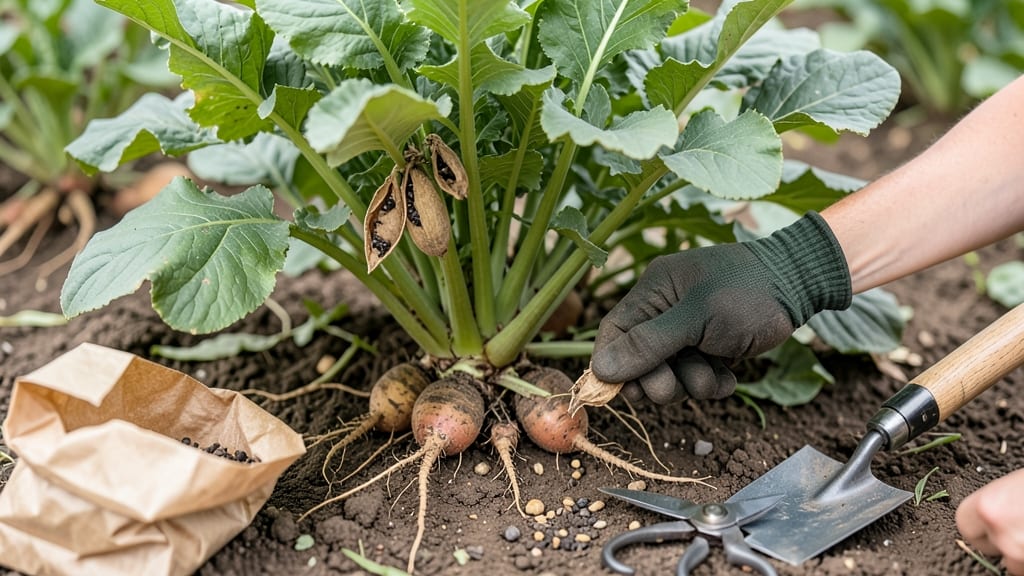
Harvesting radish seed pods at the right time ensures you save viable seeds for next year’s garden—look for brown, dry pods that rattle when shaken.
Picture this: You’ve spent months growing your radishes, and now the pods are ready—but how do you know exactly when to pick them? Miss the window, and the seeds scatter before you can save them. Get it right, and you’ll have fresh seeds for planting in March or August.
Most gardeners wait until the pods turn a deep brown and the leaves yellow and die back. That’s your cue to act fast—once they start splitting open, the seeds are already on the ground. Even a 5-minute delay can mean losing your harvest.
In this guide, I’ll walk you through the visual and tactile clues to spot perfectly ripe pods, regional timing tips, and how to dry and store your seeds so they stay fresh for planting. No more guesswork—just a foolproof method for saving radish seeds year after year.


How to identify radish seed pods ready for harvest
Harvesting radish seed pods at the perfect moment ensures you save viable seeds for next year's garden. The key lies in watching for visual and tactile cues that signal maturity.
If you miss these signs, your pods may shatter on the plant, scattering seeds before you can collect them—or worse, rot if left too long.
Radishes are fast-growing annuals, and their seed pods mature quickly once the plant bolts. Unlike edible radishes, which you harvest young, seed pods should be left on the plant until fully ripe.
This guide will walk you through the three key indicators of readiness: color, texture, and the famous "rattle test."
Step-by-Step Guide to Harvesting Radish Seed Pods
-
Step 1: Watch for Color Change
Pods start green but turn tan or light brown as they mature. Aim for a dry, papery texture, not moist or green. -
Step 2: Perform the Rattle Test
Gently shake a pod over a white surface. If seeds rattle loudly, they’re ready. No sound? Wait 1–2 days. -
Step 3: Check Leaf Condition
The foliage should yellow and die back, signaling the plant is redirecting energy to seed production. -
Step 4: Harvest Before Shattering
Cut pods when 70% dry to prevent seeds from scattering. Use clean scissors or pruners to avoid damage. -
Step 5: Store Immediately
Spread pods in a single layer in a dry, well-ventilated area for 1–2 weeks to complete drying.
Timing is everything with radish seed pods. Harvest too early, and the seeds won’t germinate; too late, and the pods may crack open, losing your hard-earned seeds. Northern climates often see pods mature by late September, while Southern gardens may extend into October or November.
Pro tip: Harvest on a dry, sunny morning to minimize humidity, which can cause mold. Lay pods on paper towels in a shady spot to dry further if needed. Avoid plastic bags—they trap moisture and encourage rot.
Once pods are fully dry, store them in paper envelopes labeled with the variety name and harvest year. Keep them in a cool, dark place (like a seed drawer) where they’ll stay viable for 2–3 years.
If you’re unsure whether your pods are ready, cut one open to check. The seeds inside should be plump and dark, not shriveled or hollow. This quick check saves time and ensures you’re harvesting at peak readiness.
Remember, radish seed pods are delicate—handle them gently to avoid crushing. Overripe pods may split open, releasing seeds prematurely. By mastering these visual and tactile cues, you’ll never miss the perfect harvest window again.
Now that you know when to harvest, your next challenge is storing seeds properly—but that’s a topic for another guide! For now, enjoy the satisfaction of saving seeds from your own garden. 🌱
Common mistakes that ruin radish seed harvests
Even experienced gardeners can lose their radish seed harvests by making simple timing mistakes. The most critical error? Harvesting too early when pods are still green and firm. These immature pods won't contain fully developed seeds, leaving you with nothing viable for next year's planting.
On the opposite end, waiting too long causes overripe pods to crack open, scattering seeds across your garden bed. Once the pods split at the seams, you've lost control of your seed collection. Even a 24-hour delay can mean the difference between a successful harvest and wasted effort.
⚠️ Critical Harvest Window
Harvest radish seed pods when they're 70-80% dry—this means they've turned tan-brown but haven't started splitting. The rattle test is your best indicator: shake a pod over paper. If you hear loud seeds rattling, it's time to harvest. Wait until pods split open, and you'll lose 90% of your seeds to scattering.
Another common mistake is harvesting on humid days when pods contain excess moisture. This trapped dampness creates the perfect conditions for mold growth, which can ruin your entire seed collection before you even begin drying. Always harvest on clear, sunny mornings when humidity is lowest.
Many gardeners also overlook the importance of leaf condition as a maturity indicator. When the plant's leaves begin yellowing and dying back, it's signaling that all energy is being directed toward seed production.
Ignoring this visual cue often leads to harvesting pods that are either underdeveloped or already past their prime.
Storage mistakes can also destroy your hard-earned seeds. Using plastic bags instead of paper envelopes traps moisture, while storing seeds in direct sunlight accelerates deterioration. The ideal storage combines cool temperatures (below 70°F), low humidity, and complete darkness to maintain viability for up to three years.
To avoid these common pitfalls, create a harvest checklist before each collection: check pod color, perform the rattle test, verify leaf condition, and confirm weather conditions. By following this simple routine, you'll maximize your seed yield and ensure you have healthy seeds ready for your next planting season. 🌱