
How To
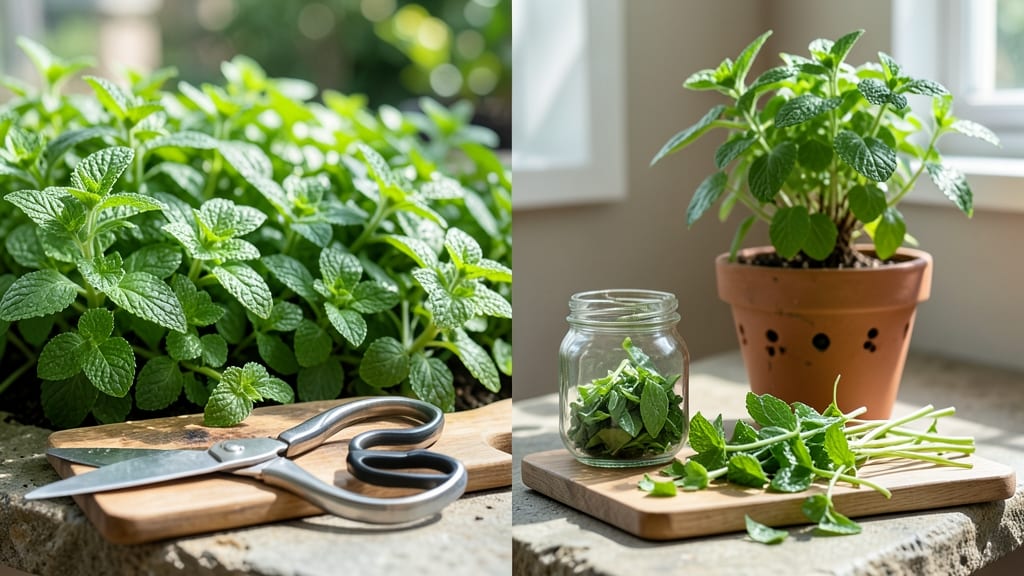
To harvest mint leaves for tea, you’ll want to pick them at the right time and with the right technique—because nothing ruins a brew like bitter or weak flavors.
Picture this: you’ve spent weeks nurturing your 🌿 mint, and now you’re ready to enjoy its bold, fresh taste in your tea. But if you snip too early, too late, or with the wrong tools, you’ll end up with a sad, flavorless cup.
The key? Timing, clean cuts, and knowing how much to take without hurting your plant.
Harvesting mint leaves at the right stage—when they’re fully developed but not woody—ensures maximum aroma and potency. Plus, proper pruning encourages your plant to grow bushier and more productive, so you’ll have fresh leaves for months of delicious tea.
In this guide, I’ll walk you through the best time to harvest, the tools you’ll need, and how to store your leaves so they stay vibrant and flavorful—whether you’re drying them for later or using them fresh.


When and how to harvest mint leaves for maximum flavor
Harvesting mint at the right time transforms your tea from mildly refreshing to boldly aromatic. The key lies in understanding when mint's essential oils—responsible for that signature punch—peak in concentration. For most varieties, this happens when leaves are fully mature but before flowering, typically 60-90 days after planting.
Early morning harvests capture the highest oil content, as cooler temperatures preserve flavor compounds.
Mint thrives in USDA Zone 6a during June-September, but container-grown mint can be harvested year-round in mild climates. Look for dark green, vibrant leaves with a firm stem—these are visual cues your mint is ready.
Avoid harvesting when leaves appear yellowing or sparse, as this signals stress or over-maturity, both of which dull flavor.
| Harvest Stage | Leaf Characteristics | Best Time to Harvest | Flavor Impact |
|---|---|---|---|
| Early Growth | Small, light green leaves | Avoid harvesting | Mild, underdeveloped flavor |
| Mature Leaves | Dark green, 2-3" long | Morning, before flowering | Peak flavor and aroma |
| Flowering Stage | Purple stems, smaller leaves | Harvest sparingly | Bitter, reduced oil content |
| Over-Mature | Yellowing, woody stems | Avoid harvesting | Harsh, dull flavor |
Pruning techniques play a crucial role in maintaining flavor intensity and plant health. Always use clean, sharp scissors to make cuts just above a leaf node (where new growth emerges). This encourages bushier growth and prevents the plant from becoming woody or leggy.
For container-grown mint, harvest 1/3 of the plant at a time to avoid shocking the roots, while in-ground mint can handle slightly heavier pruning.
Seasonal timing matters too. In spring and early summer, mint grows rapidly, so frequent light harvests (every 2-3 weeks) promote dense foliage. As temperatures rise in late summer, growth slows, and you may need to reduce harvest frequency to every 4-6 weeks.
Stop harvesting entirely in fall to let the plant store energy for next season, unless you're in a frost-free climate.
Mint's flavor compounds are most concentrated in the younger leaves near the top of the plant, but don't ignore the middle growth. These leaves still pack 70% of the oil content compared to mature lower leaves.
A good rule of thumb: harvest leaves that are fully open but not yet flowering. If you see buds forming, it's time to prune those stems back to encourage leafy regrowth.
For consistent harvests, establish a routine. Check your mint plants every 7-10 days during peak growing months. If you notice new growth emerging from the base, it's a sign your plant is healthy and ready for another harvest.
Remember, mint is a perennial in warm climates, so proper harvesting now ensures years of flavorful tea ahead.
One common mistake is harvesting mint after rain, which can dilute the essential oils and make leaves waterlogged. Always wait until morning dew has dried (typically by 9-10 AM) for the best flavor.
Also, avoid harvesting mint that's been exposed to strong winds, as this can cause stress and reduce oil production.
To maximize your mint's productivity, pair harvesting with light fertilization every 4-6 weeks during growing season. Use a balanced 5-10-10 fertilizer applied in the morning to avoid burning tender leaves.
This supports the plant's ability to bounce back quickly after each harvest, ensuring a steady supply of aromatic leaves throughout the season.
Pro tip: If your mint starts to flower, don't panic—simply snip off the flower spikes at the base. This redirects the plant's energy back into leaf production, often resulting in a second flush of flavorful growth within 3-4 weeks.
Just be sure to harvest any leaves that develop on these new stems before they mature too much.
With these techniques, you'll transform your mint harvest from occasional sprigs to a reliable, flavor-packed resource for all your tea needs. The secret? Timing, tools, and a little plant TLC—your taste buds (and your mint bush) will thank you.
Step-by-step guide to harvesting mint without damaging the plant
Harvesting mint leaves the right way ensures your plant stays healthy and keeps producing that bold, aromatic flavor for your tea. The key is timing, technique, and tool selection—avoiding common mistakes like over-harvesting or using dirty tools.
With these simple steps, you'll maintain a thriving mint bush while enjoying fresh leaves all season.
Mint grows best when you prune regularly to encourage bushier growth. Never remove more than one-third of the plant at once, or you risk stressing it. Always use clean, sharp tools to prevent disease.
Below, I’ll walk you through the exact method I use to harvest mint leaves for tea without harming the plant.
If your mint looks wilted or leggy after harvesting, it’s likely thirsty or needs pruning. Trim back any long stems to encourage a bushier shape. I’ve found that monthly pruning keeps my mint lush and productive all season long.
For container-grown mint, avoid harvesting more than 20% of the plant at a time. Containers have limited space, so frequent small harvests work best. Always use sterilized tools to prevent soil-borne diseases from spreading.
By following these steps, your mint will stay healthy, flavorful, and ready for your next cup of tea. The secret is consistency and care—your plant will thank you with abundant, aromatic leaves! 🌿