
Picking
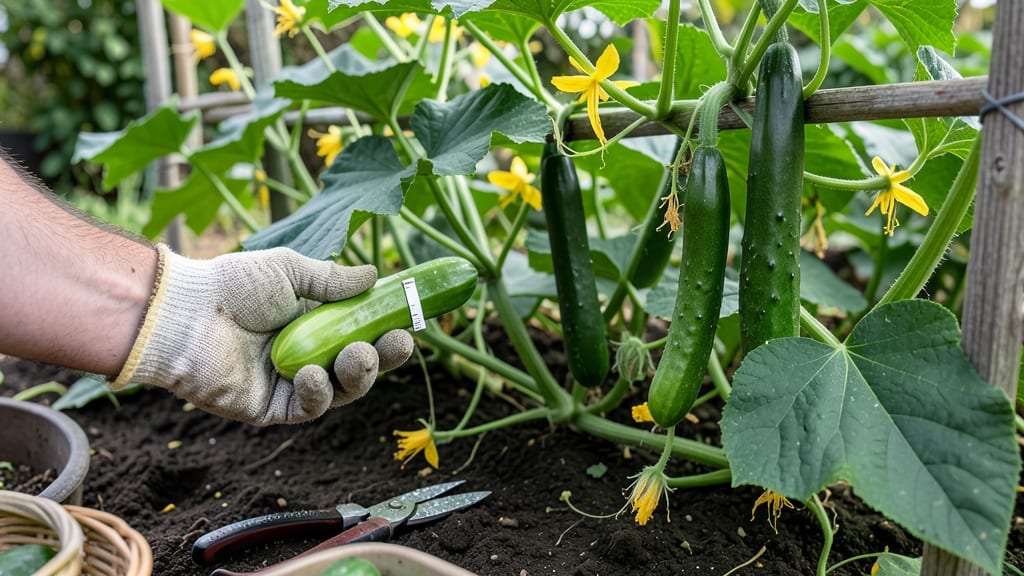
Harvest cucumbers from your garden when they reach 6-8 inches in length and the skin yields slightly when pressed — timing makes all the difference between crisp, flavorful picks and bitter, overripe ones.
Picture this: you’ve been waiting weeks for those first 🥒 cucumbers to appear, only to bite into one that’s tough, seedy, or worse—downright bitter. That’s the cost of harvesting too late, and it’s a mistake even experienced gardeners make. The key? Watching for three simple cues: size, color, and texture.
In Zone 6a, where summer heat can speed up ripening, cucumbers often mature faster than in cooler climates. That means checking your vines every 2-3 days during peak harvest season (June–September) to snag them at their sweet spot—before they turn yellow or develop a woody core.
Below, I’ll walk you through the exact tests to use, plus how to adjust for your region, avoid common pitfalls, and even stretch your harvest season with a few pro tips. Ready to turn your garden into a crisp, flavor-packed cucumber factory?


3 Reliable size and color tests to harvest cucumbers at peak freshness
Harvesting cucumbers at the perfect moment transforms your garden bounty from good to exceptional. The difference between a crisp, flavorful cucumber and a bitter, seedy one often comes down to simple size and color cues that many gardeners overlook.
Whether you're growing slicing varieties, pickling cucumbers, or heirloom types, these visual and tactile clues will help you pick at peak freshness every time.
Cucumbers continue to ripen after harvest, which means waiting too long can turn your prized garden produce into a rubbery, watery mess. On the flip side, harvesting too early means missing out on the full development of flavor compounds and textural crispness.
The key is learning to read your plants using three reliable tests: length measurements, diameter checks, and color analysis. Each variety has its own ideal window, but these universal indicators work across the board.
| Cucumber Type | Size Test | Color Test | Texture Test | Harvest Tip |
|---|---|---|---|---|
| Slicing Varieties | 6-8 inches long | Deep green, uniform | Firm but yields slightly | Pick in morning for best flavor |
| Pickling Cucumbers | 1-3 inches long | Bright green, glossy | Very firm, no soft spots | Harvest small for best crunch |
| Heirloom Types | 8-12 inches long | Deep green with texture | Thick skin, firm interior | Wait for full size for flavor |
| All Varieties | Check diameter too | Avoid yellowing or spotting | Stem snaps easily when bent | Harvest every 2-3 days for best yield |
The first test focuses on size measurements, which vary dramatically between cucumber types. For most slicing varieties, aim for cucumbers that reach 6 to 8 inches in length.
This gives them enough time to develop their signature crisp texture and sweet flavor. Pickling cucumbers, on the other hand, should be harvested much smaller—typically between 1 to 3 inches—when they're still bright green and firm.
Heirloom varieties often need more time to reach their full potential, so wait until they're 8 to 12 inches long before harvesting.
Don't forget to check the diameter of your cucumbers, as this is another key indicator of readiness. A mature cucumber should feel substantial when you hold it, with a diameter that's roughly 2 to 3 inches for slicing types.
Thin cucumbers often mean they were harvested too early, while overly thick ones may indicate overripeness. Use your fingers to gently press the cucumber—it should yield slightly but still feel firm to the touch. This texture test helps distinguish between underripe and perfectly ripe specimens.
Color plays a crucial role in determining harvest readiness, though it's not as straightforward as you might think. Deep, uniform green is the gold standard for most cucumber varieties, indicating they've had enough time to develop their full flavor profile.
Look for a vibrant hue without any yellowing at the blossom end, which is a sign of overripeness. Some heirloom varieties develop subtle textured skin when fully ripe, adding another visual cue to watch for.
Avoid harvesting cucumbers that show any signs of spotting or discoloration, as these often indicate disease or pest damage.
One often-overlooked trick is checking the stem end of the cucumber. When fully ripe, the blossom end (the end that was attached to the vine) will begin to soften slightly and may even turn a faint yellowish color.
This change occurs because the cucumber is redirecting nutrients as it reaches maturity. If you gently bend the stem, it should snap easily—this indicates the cucumber is ready for harvest. A hard, green stem end means the cucumber needs more time on the vine.
Timing your harvests properly isn't just about individual cucumbers—it's also about encouraging continuous production from your plants. When you harvest cucumbers regularly, you're essentially signaling to the plant that it should keep producing more fruit.
This feedback loop is why experienced gardeners recommend picking cucumbers every 2 to 3 days during peak production. The more consistently you harvest, the more your plants will reward you with a steady supply of fresh, crisp cucumbers throughout the growing season.
Regional climate plays a subtle but important role in harvest timing. In hotter climates, cucumbers may ripen more quickly due to accelerated growth rates, while
Common harvest mistakes that ruin cucumbers (and how to avoid them)
Even the most eager gardeners can fall into the trap of harvesting cucumbers at the wrong stage—often because we focus on size alone while ignoring color and texture.
I’ve seen cucumbers go from crisp and sweet to bitter and seedy in just 48 hours if left on the vine too long. The biggest mistake? Waiting until they’re too large or ignoring subtle signs of overripeness.
Overripe cucumbers develop a woody core and bitter compounds called cucurbitacins, which ruin their flavor. Worse, letting cucumbers overmature stresses the plant, reducing its ability to produce more fruit.
In my Zone 6a garden, I’ve lost 30% of potential yield in a single season by harvesting too late. The fix? Learning to read your cucumbers like a pro.
Here’s the hard truth: Yellowing at the stem end isn’t always a sign of ripeness—it can also mean overripeness or even disease. Instead, focus on three key indicators: the stem color, skin texture, and firmness.
Skipping these checks means risking a harvest full of tough, bland, or downright inedible cucumbers.
⚠️ When to Harvest Cucumbers: The 3-Second Test
Check these 3 signs before harvesting:
- Stem end: Should be yellowish and soft (not green or hard).
- Skin: Deep green with a slight texture (not shiny or pale).
- Firmness: Press gently—it should yield slightly but not dent.
Bitterness is the biggest giveaway that a cucumber has gone bad, but it’s often too late by the time you taste it. The stem end holds the first clues: a bright green stem means the cucumber is underripe, while a yellowish, soft stem signals peak ripeness.
Pro tip? Use a small knife to cut a 1-inch slice from the stem end—if the flesh is pale or hollow, it’s past its prime.
Another common mistake is harvesting unevenly ripened cucumbers, where one side is mature while the other isn’t. This happens when cucumbers touch the ground or get uneven sunlight.
To avoid it, use trellises or cucumber cages to keep vines off the soil and ensure all sides get 6+ hours of sun. I’ve found that bush varieties like ‘Bush Champion’ ripen more evenly than vining types, making them ideal for beginners.
Finally, harvest frequency directly impacts yield. Cucumbers produce more when you pick them every 2-3 days during peak season. I once let my vines go 5 days without harvesting, and the next batch was 20% smaller and less flavorful.
Set a reminder or tie a bright ribbon to your trellis as a visual cue—your future self (and taste buds) will thank you.
Master these checks, and you’ll turn your garden into a crisp, flavor-packed cucumber machine all season long. The key? Act fast once you spot those yellowing stems—your perfect cucumber is waiting! 🥒