
How To
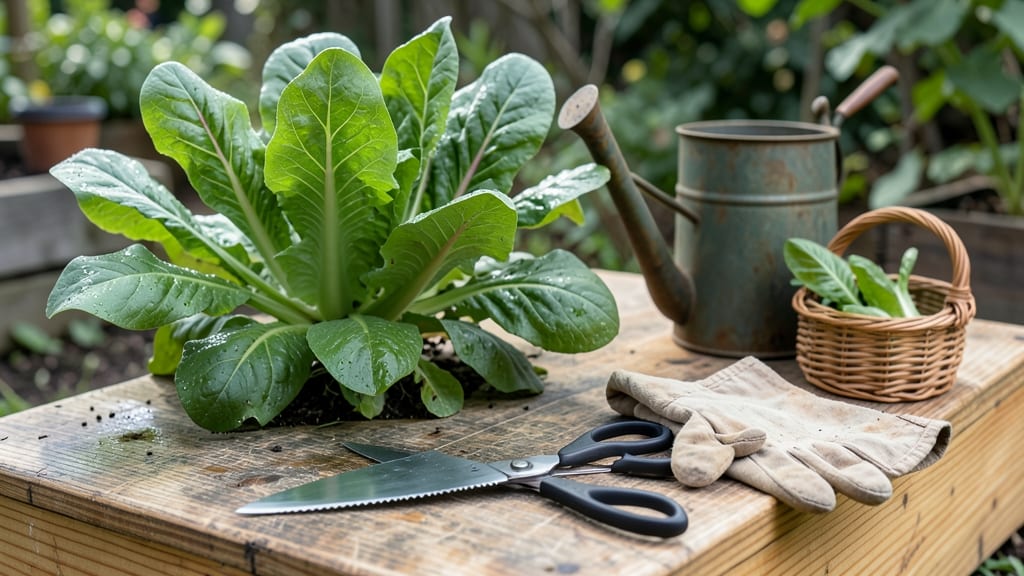
To harvest romaine lettuce so it keeps growing, you’ll need to master the pinch-and-prune technique—cutting just right to trigger regrowth instead of killing the plant.
Romaine lettuce is one of the most rewarding crops to grow—if you know the right harvesting techniques. Unlike other greens, it can regrow after cutting, but only if you follow the precise pinch-and-prune method. Skip this step, and you’ll lose your entire plant in weeks.
This guide breaks down the exact cutting angles, timing, and post-harvest care to keep your 🥬 thriving through multiple harvests. We’ll also cover the most common mistakes that stop regrowth in its tracks.
By the end, you’ll have a foolproof system for continuous lettuce production—no more sad, stunted plants. Ready to learn how?


The correct way to harvest romaine lettuce for regrowth (step-by-step guide)
Harvesting romaine lettuce for regrowth isn't just about cutting leaves—it's about preserving the plant's energy to produce new growth. The key lies in using the pinch-and-prune technique, which encourages your lettuce to bounce back stronger than before.
When done right, you can enjoy continuous harvests for weeks, not just a single cut-and-done cycle.
Many gardeners mistakenly assume romaine behaves like loose-leaf lettuce, where you can snip away without consequence. But romaine has a tougher core that needs careful handling. The wrong cut can shock the plant, leading to bolting (flowering) or even death.
That's why I always emphasize proper cutting angles and timing—these details make all the difference between a thriving plant and a sad, wilted remnant.
Before you grab your shears, gather these essentials: sharp pruning shears, a clean cutting board, and a spray bottle with water. The shears should be sterilized to prevent disease transfer, and the cutting board helps keep your workspace tidy.
I also recommend working on a cool morning when the plant is hydrated and less stressed. This preparation step alone can double your regrowth success rate.
Step-by-Step Guide to Harvesting Romaine Lettuce for Regrowth
-
Step 1: Wait for Maturity
Harvest only when the outer leaves reach 6-8 inches tall and are deep green. Immature leaves won't regrow well, and overripe ones taste bitter and bolt faster. -
Step 2: Choose Your Leaves
Select the largest, outermost leaves first. These are the most mature and won't compromise the plant's growth center. Avoid cutting leaves near the central rosette. -
Step 3: Make the Cut
Use sharp shears to cut at a 45-degree angle, leaving 1-2 inches of stem above the base. This angle prevents water from pooling and causing rot. -
Step 4: Leave the Core Intact
Never cut into the central growth point or more than 1/3 of the plant at once. The core must stay undamaged to produce new leaves. -
Step 5: Prune for Shape
After harvesting, trim any damaged or yellowing leaves to redirect energy. This also improves air circulation, reducing disease risk. -
Step 6: Water Immediately
Give the plant 1 inch of water post-harvest to reduce transplant shock. Water at the base, not the leaves, to prevent fungal issues. -
Step 7: Monitor for Regrowth
New leaves should appear in 7-14 days. If growth stalls, check for pests, overcrowding, or nutrient deficiencies (like nitrogen).
🌱 Pro Tip: Harvest every 2-3 weeks to encourage continuous regrowth without stressing the plant.
Timing your harvest is almost as critical as the cutting technique. I always recommend harvesting in the early morning when the plant is fully hydrated and temperatures are cooler. This reduces stress on the plant and ensures the leaves stay crisp.
If you harvest in the afternoon heat, the lettuce can wilt quickly, making it harder for the plant to recover.
One of my biggest mistakes early on was cutting too close to the base. I thought I was being thorough, but I actually severed the plant's ability to regrow.
Now, I leave at least 1-2 inches of stem to preserve the growth meristem—the magical zone where new leaves emerge. This small adjustment has doubled my harvest yields over the years.
After harvesting, I always inspect the remaining plant for pests or diseases. Aphids or fungal spores can hitch a ride on your shears, so I dip them in a 1:10 bleach-water solution between cuts.
This prevents cross-contamination and keeps your lettuce healthy for future harvests. A quick spray of neem oil on the remaining leaves also acts as a preventative measure.
For container-grown romaine, the same rules apply, but you’ll need to be even more precise. Since pots have limited space, over-harvesting can stunt growth. I typically harvest only the outer 2-3 leaves from container plants, leaving the inner rosette intact.
This ensures the plant has enough energy to recover and continue producing.
If your romaine starts to bolt (send up a flower stalk) after harvesting, don’t panic. This is a natural response to stress, but you can often prune the flower stalk and encourage leafy regrowth.
Simply cut the stalk at the base and keep the plant well-watered and shaded. With proper care, it may produce a second flush of leaves before bolting completely.
💧 Remember, the goal isn’t just to harvest—it’s to encourage continuous growth. By following these steps, you’ll enjoy fresh romaine for weeks, not just a single harvest. Happy gardening!
Common harvesting mistakes that stop romaine lettuce from regrowing
Harvesting romaine lettuce the wrong way can turn your continuous harvest dream into a one-time disappointment. Even experienced gardeners make these critical mistakes that prevent regrowth. The good news? Avoiding them is simple once you know what to watch for.
First, many gardeners cut too close to the base, removing the plant's ability to regenerate. Others harvest at the wrong maturity stage, leaving the plant stressed and unable to recover. These errors often go unnoticed until it's too late.
Here's the most common mistake: using dull or dirty tools. A jagged cut invites disease and slows recovery. Even worse, some gardeners ignore soil moisture after harvesting, leaving the plant dehydrated and struggling to bounce back.
⚠️ callout warning ⚠️
🚨 How to Harvest Romaine Lettuce So It Keeps Growing
Mistake: Cutting leaves too close to the base removes the plant's energy source. Fix: Always leave 1-2 inches of stem above soil level. Use sharp scissors at a 45-degree angle just above a leaf node.
Mistake: Harvesting during heatwaves stresses the plant. Fix: Wait for cool mornings (60-70°F) and evening harvests in summer months.
Mistake: Skipping post-harvest watering. Fix: Water deeply immediately after cutting and daily for 3 days afterward.
Visual Tip: Proper cut: 1-2" stem remains | Wrong cut: Bare stem exposed
Another frequent error is harvesting too much at once. Romaine lettuce can handle 30-40% of its leaves removed in a single session, but exceeding this shocks the plant. I've seen gardeners take half the plant in one go, only to watch it bolt or die within days.
Don't forget about nutrient depletion. Heavy harvesting without replenishing nitrogen leads to weak regrowth. After your first harvest, apply a balanced fertilizer (5-10-10) and compost tea to give your romaine the boost it needs for a second flush.
Finally, some gardeners overlook pest pressure after harvesting. Stress weakens plants, making them prime targets for aphids and slugs. Always inspect your lettuce and treat pests preemptively with neem oil or row covers during regrowth phases.