
How To
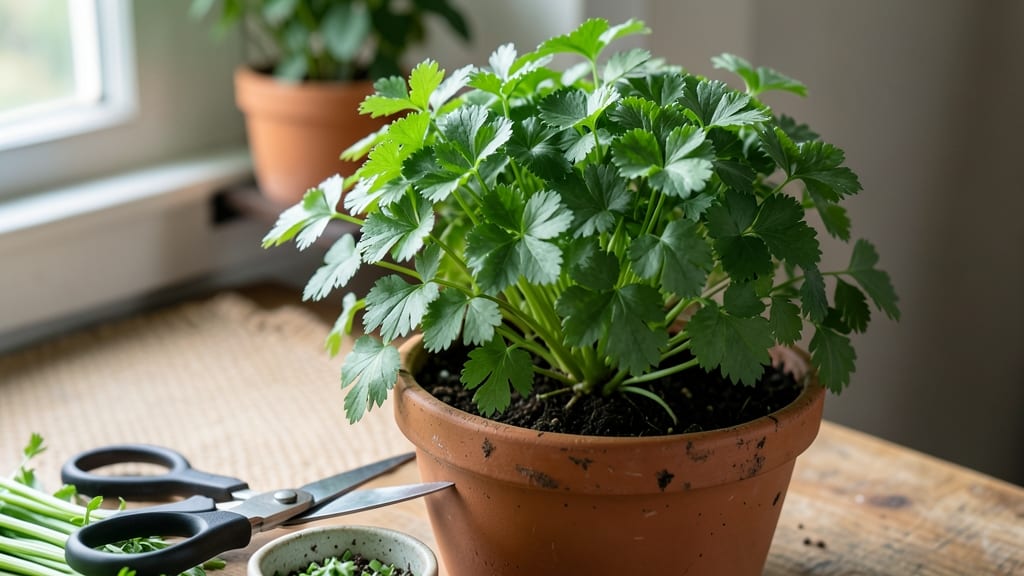
Harvesting parsley the right way so it keeps growing actually makes it thicker and bushier—the trick is cutting stems at the right height and timing to avoid stunting regrowth.
Struggling to keep your parsley thriving after harvest? The secret to a never-ending supply lies in mastering the snip-and-grow technique—where cutting actually encourages bushier, more abundant growth. Skip the guesswork and learn how to harvest parsley the right way to enjoy fresh, flavorful stems all season long.
Most gardeners make the mistake of cutting too close to the base or harvesting too much at once, which stresses the plant and slows regrowth. Instead, focus on trimming outer stems just above a leaf node, leaving the inner growth intact.
This method ensures your 🌿 parsley in USDA Zone 6a keeps producing for months.
Below, I’ll walk you through the exact steps: when to harvest (before flowering), which stems to avoid cutting, and how to care for your parsley post-harvest so it stays lush and productive all the way through October.


The perfect parsley harvesting technique: when, where, and how to snip for regrowth
Parsley is one of those herbs that seems to thrive on neglect—until you harvest it the wrong way. The key to a never-ending supply of fresh parsley lies in understanding when and how to snip stems without stunting growth.
Unlike other herbs, parsley doesn’t mind being cut back regularly, but timing and technique make all the difference. If you’ve ever watched your parsley bolt or stop producing after harvest, you’re not alone—most gardeners miss the subtle cues that signal the perfect moment to cut.
Harvesting parsley correctly isn’t just about grab-and-snip—it’s about encouraging the plant to branch out and regrow bushier. The secret? Focus on the outer stems and avoid cutting into the woody center.
When done right, your parsley will reward you with thicker foliage and longer harvest windows. Let’s dive into the step-by-step method that’ll keep your parsley thriving all season long.
How to Harvest Parsley for Maximum Regrowth
-
Step 1: Wait Until the Plant is Mature
Harvest only when leaves reach 4-6 inches tall and are dark green. Look for fully unfurled leaves—this means the plant has stored enough energy to regrow. -
Step 2: Choose the Right Stems
Always cut outer stems first, leaving the inner, younger growth intact. Avoid trimming more than 1/3 of the plant at once to prevent stress. -
Step 3: Use Clean, Sharp Scissors
Grab a pair of sterilized pruning shears or sharp kitchen scissors. Cut stems at a 45-degree angle, about 1 inch above a leaf node to encourage branching. -
Step 4: Never Cut Too Close to the Base
Leave at least 2-3 inches of stem above the soil. Cutting too low risks damaging the root system and can kill the plant. -
Step 5: Harvest Before Flowering
Once parsley sends up flower stalks, it shifts energy to seed production. Cut back flowering stems immediately to redirect energy to leaf growth. -
Step 6: Water and Fertilize After Harvesting
Give your parsley a deep watering and a light dose of balanced fertilizer (5-10-10) to support regrowth. Avoid over-fertilizing, which can lead to leafy but weak stems.
Timing your harvest is just as critical as technique. The best time to harvest parsley is in the morning, after the dew has dried but before the midday heat sets in. This reduces stress on the plant and ensures your snips stay fresh longer.
If you’re harvesting in hot afternoons, do so quickly and store the stems in a glass of water in the fridge until you’re ready to use them.
One common mistake gardeners make is over-harvesting too early in the season. Young parsley plants need time to establish a strong root system before they can handle frequent cuts.
Wait until the plant has at least 5-6 mature leaves before your first harvest. This ensures the roots are deep enough to support regrowth without wilting or stunting.
Did you know parsley is a biennial herb, meaning it grows leaves in its first year and flowers in its second? If you let your parsley bolt (send up flower stalks), it will slow down leaf production and eventually die.
To prevent this, keep an eye out for tall, thin stems emerging from the center of the plant—these are the first signs of bolting. Snip them off immediately to prolong leaf growth.
The outer leaves of your parsley are the first to mature, making them the perfect candidates for harvest. These leaves are larger, darker green, and fully developed, while the inner leaves remain tender and young.
By always harvesting from the outside, you encourage the plant to fill out bushier and produce more leaves over time. Think of it like pruning a shrub—you’re shaping the plant to grow fuller and healthier.
If your parsley starts to look leggy or sparse after harvest, it might be time to give it a haircut. A light trim of the tallest stems can encourage the plant to branch out and grow more compactly.
Just be sure to leave at least half the foliage intact so the plant isn’t overwhelmed by the cut. This technique works especially well for flat-leaf parsley, which tends to grow taller than its curly counterpart.
Pro tip: If you’re growing parsley in containers, rotate the pot every few weeks to ensure even sunlight exposure. This prevents the plant from leaning toward the light, which can make it look lopsided and reduce overall harvest quality.
A well-balanced parsley plant is a happier, more productive parsley plant!
With these techniques, you’ll enjoy a continuous harvest of parsley from late spring through fall. The more you harvest correctly, the more your parsley will reward you with lush, flavorful growth.
So grab those scissors, follow the steps, and get ready for a season of never-ending fresh parsley! ✂️🌿
Parsley regrowth hacks: 5 pro tips to keep your plants thriving after harvest
Harvesting parsley doesn't have to mean sacrificing future growth. The key is using the right techniques to stimulate regrowth while avoiding common pitfalls. Many gardeners accidentally stunt their parsley by cutting too aggressively or neglecting post-harvest care.
Let me show you how to keep your parsley lush and productive all season.
Your parsley's ability to regrow depends on three critical factors: cutting technique, soil nutrition, and consistent care. Even experienced gardeners sometimes make mistakes like cutting stems too close to the base or over-harvesting.
With these five proven hacks, you'll transform your parsley from a one-time harvest to a continuous green machine.
- 1 Harvest outer leaves first – Always cut from the outer stems to protect the inner growth point. This encourages bushier regrowth while preserving the plant's energy.
- 2 Leave at least 4-6 inches – Never cut stems shorter than 4 inches from the base. This ensures the plant retains enough foliage to photosynthesize and regrow.
- 3 Water deeply after harvest – Give your parsley 1 inch of water within 24 hours of cutting. This helps the plant recover faster and prevents stress.
- 4 Fertilize with compost tea – Use a balanced organic fertilizer (5-10-10) every 4-6 weeks during the growing season. This replenishes nutrients lost during harvest.
- 5 Avoid harvesting when flowering – Once parsley bolts (sends up flower stalks), it focuses energy on seeds instead of leaves. Stop harvesting 6-8 weeks before the first frost to keep your plant productive.
One of the biggest mistakes I see is gardeners cutting parsley too close to the base, which removes the plant's ability to regrow. Always leave at least 4-6 inches of stem to ensure the plant can recover.
If you accidentally cut too much, don't panic—simply reduce future harvests and focus on watering and fertilizing to help it bounce back.
Seasonal care is equally important. In summer heat, increase watering to every 2-3 days and provide afternoon shade to prevent stress. During fall, reduce harvesting as days shorten, and stop completely when temperatures drop below 50°F. Mulching with straw helps protect roots during cold snaps.
For struggling parsley, try a revival trick: trim back any yellow or damaged leaves, then give the plant a light feeding of compost and extra water.
Within 2-3 weeks, you'll often see new growth emerging from the base. With these hacks, your parsley will reward you with continuous harvests all season long.