
How To
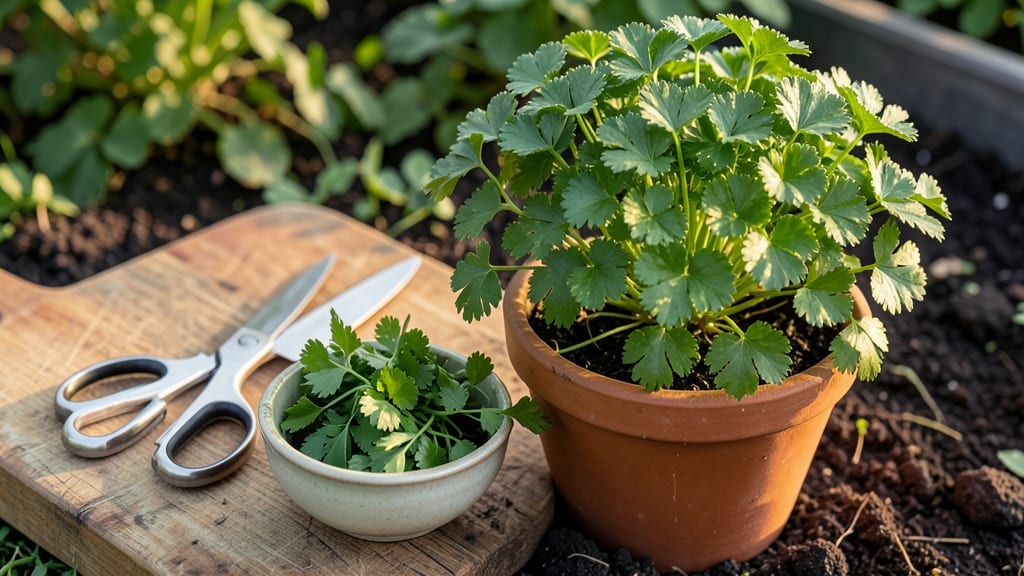
To harvest parsley properly, start by waiting until the plant reaches 6 inches tall with vibrant, mature leaves—this ensures the best flavor and regrowth.
Parsley isn’t just a garnish—it’s a hardy, flavor-packed herb that rewards careful harvesting with months of fresh growth. But timing and technique matter: harvest too much or at the wrong time, and you’ll stunt your plant’s productivity.
If you’ve ever snipped parsley only to watch it bolt or grow sparse, you’re not alone. The key is knowing when to cut and how to do it without damaging the roots or leaves.
In this guide, I’ll walk you through the best times to harvest, the right tools to use, and how often you can safely trim parsley—so you can enjoy a steady supply of fresh, flavorful leaves all season long.


When to harvest parsley for maximum freshness and growth
Timing your parsley harvest is everything—cut too early or too late, and you’ll either get sparse leaves or bitter flavors. The best time to harvest is when your parsley reaches 6-8 inches tall and has fully developed leaves.
This usually happens 60-90 days after sowing, depending on your climate and variety. For flat-leaf parsley, this window arrives slightly earlier than curly parsley, which matures more slowly.
Early morning is the ideal harvest time because the leaves are hydrated and crisp. If you must harvest later in the day, do it in the late afternoon to avoid wilting. Avoid harvesting after midday heat, as the leaves can become limp and less flavorful.
I’ve found that harvesting in the morning also gives me the strongest flavor for cooking and garnishes.
Seasonal timing matters too. In spring and fall, parsley grows more slowly, so harvest lightly every 2-3 weeks. During summer’s peak growth, you can harvest every 7-10 days without stunting the plant.
If you’re growing biennial parsley (which lives for two years), avoid heavy harvesting in late summer to let the plant store energy for next year’s growth.
Now, let’s talk about the maturity stages of parsley. Young parsley (under 4 inches tall) is not ready for harvest—its leaves are too small and delicate. Wait until the plant reaches 6 inches and has 3-4 sets of true leaves.
At this stage, the leaves are large enough to use but still tender and flavorful. If you harvest too early, you’ll delay the plant’s maturity and reduce future yields.
Here’s a quick reference for harvest readiness by variety:
One of the biggest mistakes I see is harvesting parsley after it flowers. Once parsley bolts (sends up a flower stalk), the leaves become bitter and tough. If you notice yellowing flowers or woody stems, it’s time to let the plant go for the season.
Biennial parsley will die back in winter but regrow from the root in spring, so don’t panic if it looks brown and crispy in cold months.
Over-harvesting is another common issue. If you take more than 1/3 of the plant at once, you’ll stunt regrowth and leave the plant vulnerable to pests. Signs of over-harvesting include yellowing leaves, bare stems, and slow growth.
To revive a struggling parsley plant, reduce harvesting, fertilize lightly with a balanced 5-10-10 mix, and water deeply in the morning. Within a few weeks, new growth should appear.
For perennial parsley (like the Hamburg variety), you can harvest year-round in mild climates. In colder regions, protect your parsley with mulch or row covers to extend the harvest season.
I’ve kept my parsley going through light frosts by harvesting only the outer leaves and leaving the inner growth intact to regenerate in spring.
Remember, parsley is more forgiving than most herbs, but it still needs careful attention to thrive. By harvesting at the right stages and avoiding over-pruning, you’ll enjoy fresh, flavorful parsley for months—maybe even years!
The key is patience and timing, just like with any other herb in your garden. 🌿
Step-by-step guide to harvesting parsley without damaging the plant
Harvesting parsley correctly ensures you get flavorful leaves while encouraging regrowth. The biggest mistake? Pulling leaves instead of cutting stems—this uproots the plant and slows recovery. Instead, focus on stem trimming to stimulate bushier growth and a longer harvest season.
Flat-leaf parsley and curly parsley both thrive with the same harvesting techniques, but curly varieties tend to be more delicate. Always use clean, sharp tools to avoid crushing stems or spreading disease. For perennial parsley, you can even harvest lightly through mild winters in zones 7-10.
How to Harvest Parsley Like a Pro
- 🌱 Wait until plants are 6-8 inches tall with at least 4-6 mature leaves per stem. Harvesting too early stresses young plants.
- ✂️ Use sharp scissors or pruning shears—never your fingers—to avoid crushing stems. Dull tools tear leaves, inviting pests.
- 🌿 Cut stems at a 45-degree angle, about 1 inch above a leaf node. This encourages new growth from that node.
- 🌡️ Harvest in the morning after dew dries but before midday heat. Leaves taste most vibrant and wilt less.
- 🌱 Leave at least 2-3 leaves per stem to keep the plant photosynthesizing. Over-harvesting leads to leggy, sparse growth.
- ❄️ For winter harvesting (perennial parsley), trim lightly before the first frost. Mulch heavily to protect roots in freezing temps.
Curly parsley often requires gentler handling than flat-leaf varieties. Its delicate fronds bruise easily, so avoid tugging or twisting. If you notice yellowing leaves after harvesting, it’s a sign you’re cutting too aggressively—scale back and let the plant recover for 2-3 weeks.
Store harvested parsley by trimming stems and placing it in a glass of water on your counter. Change the water daily, and it’ll stay fresh for up to 2 weeks. For long-term storage, wrap stems in a damp paper towel and refrigerate—this preserves flavor for 3-5 days.
Pro tip: Rotate your harvest sites if growing multiple plants. This prevents soil depletion and reduces disease risk. And remember—parsley is biennial, meaning it often bolts in its second year. To delay flowering, harvest frequently and keep plants well-watered.