
How To
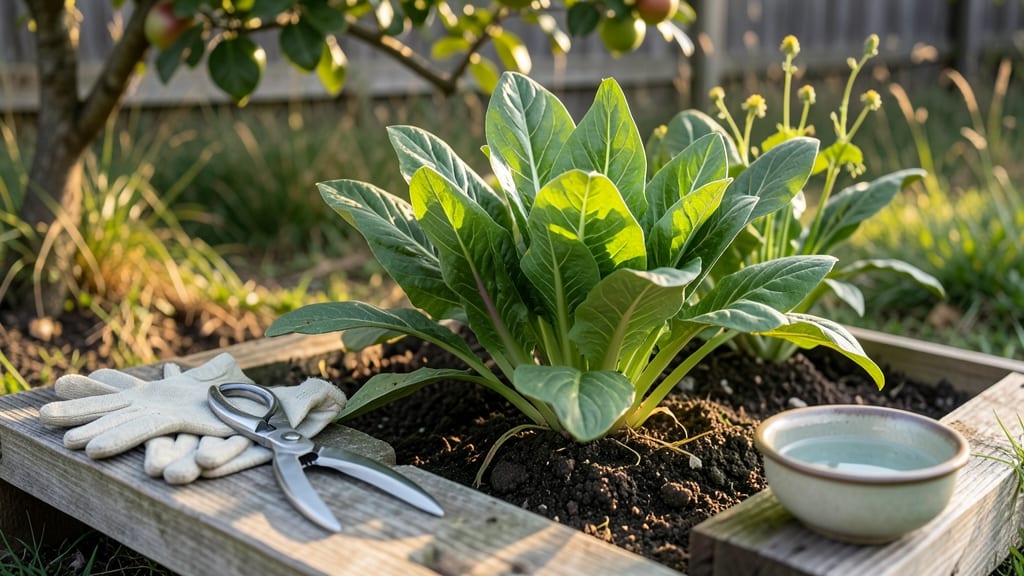
Harvesting romaine lettuce from your garden the right way means crisp, homegrown greens 🥬 for weeks—if you time it perfectly and use the cut-and-come-again method.
Picture this: you’re reaching for the last sad head of store-bought lettuce when your own garden delivers fresh, firm romaine, ready to toss into salads or wraps. The secret? Knowing exactly when to snip and how to encourage regrowth so your plants keep producing.
Romaine thrives when you harvest the outer leaves first, leaving the inner core intact. This simple technique ensures your plants don’t bolt (turn bitter) and keeps them yielding for up to 6 weeks with proper care. No more wilted greens—just a steady supply of garden-fresh goodness.
Below, I’ll walk you through the exact steps: when to harvest, how to cut without damaging the plant, and the 3 key tricks to maximize regrowth. Ready to turn your garden into a lettuce factory?


Step-by-step guide to harvesting romaine lettuce for maximum regrowth
Romaine lettuce is one of the most rewarding leafy greens to grow because it can produce multiple harvests using the cut-and-come-again method. Unlike harvesting the whole head, this technique lets you trim outer leaves while leaving the core intact, encouraging regrowth for weeks.
The key is timing—harvest when plants are 6-12 inches tall with firm, crisp leaves but before they bolt or develop bitter flavors.
Before you begin, gather your tools: a sharp pair of scissors or pruning shears, a clean cutting board, and a spray bottle with water. Work on a cool morning when the plants are hydrated and less stressed.
This guide will walk you through the exact steps to harvest romaine without damaging the plant, ensuring you get a continuous supply of fresh greens all season.
How to Harvest Romaine Lettuce from Garden
-
Step 1: Identify mature outer leaves
Look for leaves that are fully formed, deep green, and at least 4-6 inches long. These are ready for harvest while leaving the inner leaves to regrow.
-
Step 2: Hold the plant firmly
Grip the base of the outer leaves with your thumb and forefinger about 1 inch above the soil line. This prevents tearing and protects the growing point.
-
Step 3: Cut at a 45-degree angle
Use your sharp scissors to cut the outer leaves at a 45-degree angle, leaving 1-2 inches of stem attached. This encourages water to run off and reduces rot.
-
Step 4: Harvest no more than 1/3 of the plant
Remove only the outer leaves (about 1/3 of the plant) to avoid shocking the core. This balance ensures the plant can recover and produce new growth.
-
Step 5: Rinse and store immediately
Place harvested leaves in a bowl of cold water to remove dirt, then pat dry with a clean towel. Store in a plastic bag with paper towels in the fridge for up to 5-7 days.
-
Step 6: Fertilize after harvesting
Apply a light dose of balanced fertilizer (e.g., 10-10-10) or compost tea to replenish nutrients. Water thoroughly to help the plant recover and regrow.
Timing your harvests is crucial for continuous production. For spring plantings, start harvesting when plants reach 6-8 inches tall, typically 30-50 days after sowing. In fall, aim to harvest before frost sets in, as cold temperatures can damage the plant.
If you notice the inner leaves turning bitter or the plant bolting (sending up a tall flower stalk), it’s time to harvest the entire head.
One of the biggest mistakes gardeners make is harvesting too aggressively. Never remove more than 1/3 of the plant at once, or you risk stunting regrowth. Also, avoid harvesting during hot afternoons, as the plants are more stressed and prone to damage.
Instead, choose early mornings when the leaves are turgid and full of moisture.
After harvesting, monitor your romaine for signs of stress or pests. Yellowing leaves may indicate overwatering or nutrient deficiency, while holes or chewed edges suggest pests like slugs or aphids.
Address these issues promptly to keep your plants healthy and productive. With proper care, a single romaine plant can yield multiple harvests over several weeks!
Pro tip: If your romaine starts to bolt (sending up a flower stalk), harvest the entire plant immediately. Bolting makes the leaves bitter, but you can still use them in cooking or compost the plant to enrich your soil.
The good news? Bolting signals the end of the season, and you can replant for another round of harvests next spring or fall.
🌱
Key factors that ensure continuous romaine lettuce harvests
After mastering the cut-and-come-again technique, maintaining your romaine lettuce between harvests is just as critical. The secret to a continuous supply lies in four key factors: sunlight exposure, consistent watering, soil nutrients, and temperature control.
Each plays a vital role in keeping your plants healthy and productive.
First, sunlight is non-negotiable for romaine. These leafy greens thrive with 4-6 hours of direct sun daily, but they’ll bolt (go to seed) if exposed to intense afternoon heat. In hot climates, provide afternoon shade using shade cloth or nearby plants to protect them without sacrificing light.
Watering must be consistent but careful. Romaine prefers 1 inch of water every 3-5 days, but overwatering can lead to root rot. Always water at soil level (not the leaves) in the early morning to reduce fungal risks and evaporation.
Next, soil nutrients are the backbone of regrowth. Use a balanced 10-10-10 fertilizer every 4-6 weeks to replenish nutrients lost during harvests. Avoid heavy nitrogen after mid-season, as it can cause bitterness in leaves. A mulch layer (like straw) helps retain moisture and cool roots.
Finally, temperature control is often overlooked. Romaine lettuce prefers cool weather (50-75°F). If temperatures rise above 80°F, provide shade and increase watering frequency. In hot climates, consider growing romaine in spring or fall rather than summer.
By balancing these four factors, your romaine lettuce will regrow vigorously between harvests, giving you a steady supply of homegrown greens all season long. Pay attention to these details, and you’ll enjoy fresh salads for months! 🌱