
How To
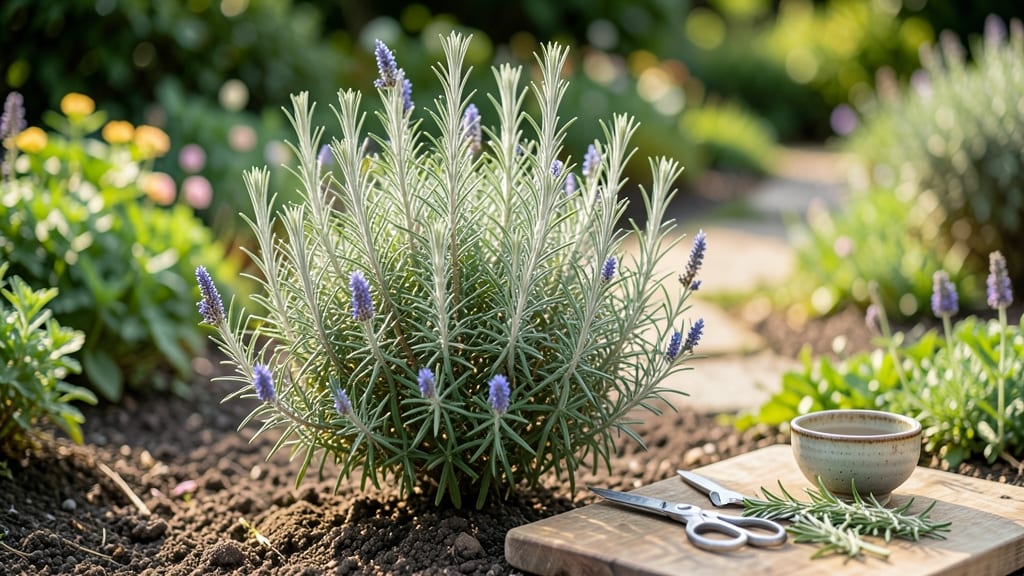
To harvest rosemary at its peak flavor and keep your 🌿 thriving, focus on the right timing and technique—spring and fall are the sweet spots, but there’s a trick to cutting that ensures regrowth.
Did you know harvesting rosemary correctly can keep your plant thriving for years—and even boost its flavor? Mastering the "cut-and-come-again" method unlocks a never-ending supply of fragrant sprigs for cooking, garnishes, and homemade remedies.
Most gardeners make one critical mistake: they cut too much or too late, leaving the plant stressed and woody. The secret is to trim just enough to encourage bushier growth while preserving that signature piney aroma.
In this guide, I’ll walk you through the best tools, step-by-step cutting techniques, and how to store your harvest—whether fresh or dried—so you can enjoy rosemary all year long.


When and how to prune rosemary for maximum growth
Pruning rosemary isn't just about keeping your plant tidy—it's the secret to long-term growth and flavorful harvests. When done right, regular pruning encourages dense foliage, prevents woody stems, and keeps your rosemary bushy for years.
The key? Timing and technique. I’ve pruned rosemary for over a decade, and I’ll share my proven methods to keep your plants thriving.
Rosemary thrives with light pruning year-round, but the best times are early spring and late fall. Spring pruning removes dead growth and stimulates new shoots, while fall pruning preps the plant for winter dormancy.
Avoid heavy pruning in summer—this stresses the plant and can reduce harvestable yield. Think of it as a trim-and-grow cycle.
Now, let’s dive into the step-by-step pruning guide that will transform your rosemary from sparse to lush. Whether you’re a beginner or a seasoned gardener, these techniques work for container-grown and in-ground rosemary alike.
Step-by-Step Rosemary Pruning Guide
-
Step 1: Wait for New Growth
Prune only when you see 4-6 inches of new growth. This ensures you’re cutting above a leaf node, where new shoots will emerge. -
Step 2: Use Clean, Sharp Pruners
Sterilize your pruning shears with rubbing alcohol to prevent disease. Dull blades crush stems, slowing recovery. -
Step 3: Cut at a 45-Degree Angle
Make cuts just above a leaf node (where leaves meet the stem). Angle cuts prevent water from pooling. -
Step 4: Follow the 1/3 Rule
Never remove more than 1/3 of the plant in one session. For example, if your rosemary is 2 feet tall, trim only the top 6-8 inches. -
Step 5: Shape for Airflow
Thin out dense inner growth to improve air circulation. This reduces humidity-related diseases like powdery mildew. -
Step 6: Harvest Regularly
Snip non-flowering sprigs throughout the growing season. Flowering stems signal it’s time to prune back hard to encourage foliage.
Pruning rosemary in spring is all about revitalizing growth. Start by removing any dead or yellowing stems from the previous year. Then, trim back the outer growth by about 1/3 to encourage a fuller shape. This is also the perfect time to divide overcrowded plants if needed.
For fall pruning, focus on light maintenance. Remove only the tips of branches that have finished growing for the season. Avoid heavy cuts—rosemary needs to harden off before winter. A light trim now prevents winter dieback and sets the stage for spring rebirth.
One common mistake is over-pruning in summer. While rosemary is drought-tolerant, excessive trimming stresses the plant and can lead to woody stems. Instead, opt for light harvesting—snip just a few sprigs here and there to use in the kitchen. This keeps the plant happy without sacrificing its structure.
If your rosemary starts developing woody stems, it’s a sign it’s been neglected. Woody stems mean the plant is overmature and won’t produce as much foliage. To fix this, give it a hard prune in early spring, cutting back to healthy green growth.
With time, your rosemary will bounce back and grow lush and green again.
Finally, always prune on a dry, sunny day. Wet conditions can spread disease, and afternoon pruning stresses plants by exposing them to hot sun. Morning sessions are ideal—the cuts will have time to dry and seal before evening.
With these techniques, your rosemary will stay compact, fragrant, and productive for seasons to come. Happy pruning—your future harvests will thank you! 🌿✂️💚
Rosemary harvesting mistakes that kill your plant (and how to avoid them)
Harvesting rosemary wrong can turn your fragrant herb into a woody stub in just a few seasons. The most common mistake? Over-pruning or cutting at the wrong time, which stresses the plant and reduces its ability to regrow.
I’ve seen gardeners accidentally kill their rosemary by removing too many stems at once or harvesting during dormant months.
Another critical error is cutting stems too short—right at the base—rather than above a leaf node. This leaves no room for new growth, turning your rosemary into a bare stalk. Even worse, harvesting flowering stems can signal the plant to focus on reproduction instead of foliage production.
Let’s fix these mistakes with a simple rule: Cut-and-come-again. This method ensures your rosemary stays lush while giving you a steady supply of fresh sprigs.
The key is to harvest 30-50% of the plant at a time, always above a leaf node, and never more than 1/3 of the plant in one session.
⚠️ Harvesting Rosemary Wrong: The Silent Killers
- Cutting at the base: Leaves no growth nodes for regrowth.
- Over-pruning: Removes more than 1/3 of the plant at once.
- Harvesting in winter: Stresses dormant plants, leading to dieback.
- Using dull tools: Crushes stems, slowing recovery.
- Ignoring leaf nodes: Cuts above flowers or bare stems.
Fix: Always cut above a leaf node, use sharp tools, and harvest in spring or fall only.
Seasonal timing is everything. Spring and fall are the best times to harvest rosemary because the plant is actively growing but not stressed by extreme heat or cold. In summer, limit harvesting to non-flowering sprigs—this prevents the plant from focusing on seed production instead of foliage.
Avoid harvesting in winter entirely, as rosemary is semi-dormant and won’t recover well.
Here’s a quick before-and-after comparison to visualize the difference between harmful and proper harvesting:
| Mistake | Result | Correct Method | Outcome |
|---|---|---|---|
| Cutting at stem base | No regrowth; woody stems | Cut above leaf node | New shoots emerge |
| Over-pruning (more than 1/3) | Stunted growth; stress | Harvest 30-50% max | Bushy, healthy plant |
| Harvesting in winter | Dieback; weak regrowth | Harvest in spring/fall | Strong, vibrant growth |
| Using dull tools | Crushed stems; slow recovery | Use sharp, sterilized shears | Clean cuts; faster healing |
One final tip: Always harvest on a dry morning after the dew has evaporated. Wet leaves can spread disease, and afternoon harvesting exposes fresh cuts to hot sun, which stresses the plant. By following these guidelines, your rosemary will stay lush, fragrant, and productive for years to come.
Now that you know the mistakes to avoid, your rosemary will thrive—and your kitchen will always have fresh herbs on hand! 🌿✂️💚