
How To
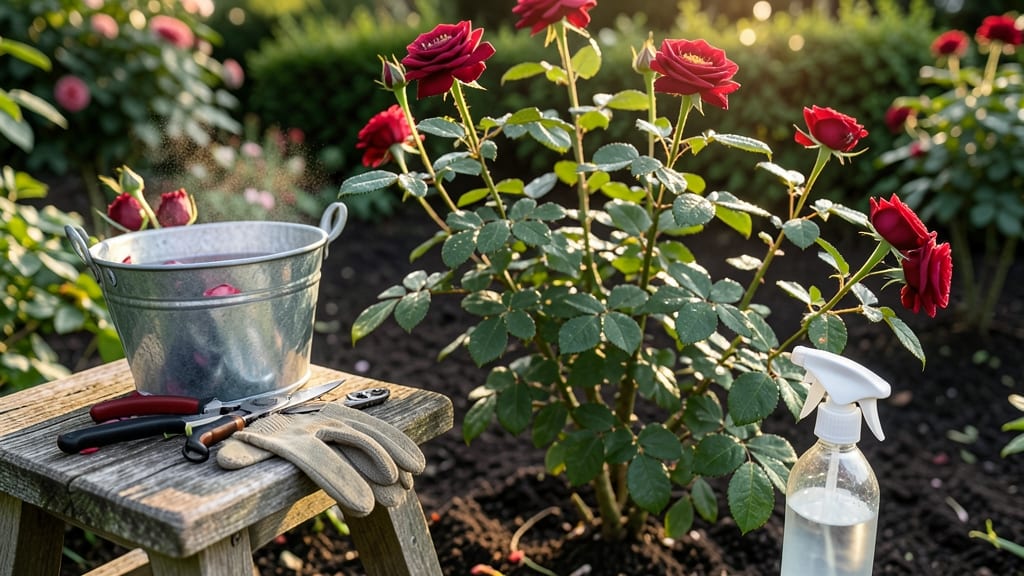
To harvest roses at their peak, pick fully open blooms in the morning when petals are unfurled and vibrant 🌹 — this preserves their fragrance and vase life.
Picture this: you’ve spent months nurturing your roses, and now the moment has arrived to enjoy their beauty. But harvesting too early or too late can leave you with wilted stems or missed flavor.
The key is timing—morning harvests yield the freshest blooms, while waiting too long risks losing that perfect scent and color.
Beyond the right moment, knowing how to cut makes all the difference. A clean, angled cut just above a leaf node encourages new growth, while the wrong technique can stress your plant.
Plus, if you’re after rose hips for seeds, the process changes entirely—harvesting them after the first frost ensures the best quality.
In this guide, I’ll walk you through the exact steps: when to harvest for beauty or hips, the proper cutting method, and how to keep your roses thriving after the snip. By the end, you’ll be harvesting like a pro—with healthier blooms and fewer wasted stems.


When and how to harvest roses for maximum beauty and longevity
Harvesting roses at the perfect moment transforms your garden into a treasure trove of stunning blooms while keeping your plants thriving. The key lies in understanding when to harvest and how to cut stems for maximum vase life.
Whether you're a beginner or seasoned gardener, mastering these techniques ensures your roses stay vibrant and your plants produce even more beautiful flowers. Timing is everything—harvest too early, and you miss peak fragrance and color; harvest too late, and you risk damaging the plant.
Roses are typically ready for harvest when their buds are fully unfurled but still firm, usually in late spring through fall (May to October in most climates). Morning harvests yield the freshest blooms, as the dew keeps petals crisp and stems hydrated.
Avoid harvesting after rain or in the afternoon heat, which can cause wilting. Understanding these nuances ensures your roses stay at their best both in the garden and in arrangements.
Here’s what you need to know to harvest roses like a pro:
Seasonal timing also plays a crucial role in rose harvesting. In spring, focus on harvesting fully open blooms to enjoy early-season beauty. During summer, prioritize harvesting buds that are just beginning to open to encourage continuous blooming.
In fall, shift your focus to harvesting rose hips for seeds or enjoy the last of the season’s blooms before the first frost.
Proper stem preparation is just as important as timing. After cutting, immediately place harvested roses in a bucket of lukewarm water to hydrate the stems. Change the water every 24 hours to prevent bacterial growth, which can shorten vase life.
For long-term storage, trim stems again under water and store them in the refrigerator overnight before arranging.
Don’t forget to monitor your rose bushes for signs of stress after harvesting. If you notice yellowing leaves or stunted growth, you may be over-harvesting. Healthy roses should bounce back quickly with proper care, including regular watering and balanced fertilization.
With these techniques, your roses will reward you with abundant, long-lasting blooms all season long.
Harvesting roses is both an art and a science—mastering the timing and technique ensures your garden stays beautiful while keeping your plants happy and healthy. Whether you’re cutting stems for a bouquet or saving hips for seeds, these tips will help you get the most out of your rose bushes.
🌹
Step-by-step pruning techniques to encourage more blooms
Pruning isn’t just about trimming back overgrowth—it’s the secret to encouraging more blooms on your roses. When done correctly, strategic cuts redirect the plant’s energy toward producing healthier, more abundant flowers while removing dead or diseased wood.
But pruning mistakes can stress your roses or even invite pests. The key is knowing where and when to cut, plus how to identify live wood from dead.
Before you grab your shears, inspect your rose bushes for dead vs. live wood. Live wood is green or brown with a slight bend, while dead wood is dry, brittle, and snaps easily. Always prune out dead branches first—they sap energy from your plant and can harbor diseases.
Next, focus on thinning out crowded canes to improve airflow, which reduces fungal risks like black spot. This step alone can transform your roses from sparse bloomers to lush, flowering shrubs.
Use bypass pruners for clean cuts on stems up to ½ inch thick. For thicker canes, switch to loppers or a pruning saw. Always disinfect tools with rubbing alcohol between cuts to prevent disease spread.
Cut back any dead, damaged, or diseased branches to the base of the plant. Look for branches that are hollow, discolored, or covered in spots. Remove these immediately—they’re energy vampires for your roses.
Select 3-5 of the strongest, healthiest canes per bush, removing weaker ones at the base. This improves airflow and directs energy toward fewer, more vigorous stems. Aim for an open, vase-like shape for better light penetration.
Make cuts just above an outward-facing bud at a 45-degree angle. This angle increases water absorption and encourages new growth. Avoid leaving stubs—cut cleanly to prevent rot.
For hybrid teas and floribundas, prune to encourage long, single stems. For climbing roses, prune to maintain a balanced structure. Always step back occasionally to assess the plant’s shape—your goal is to create a balanced, open canopy.
After pruning, apply a layer of mulch around the base to retain moisture and suppress weeds. Water deeply to help the plant recover. Avoid fertilizing immediately—wait 4-6 weeks to allow new growth to establish before feeding.
Timing your prune is just as critical as technique. For spring-blooming roses, prune in late winter or early spring (just as new growth begins). For repeat-blooming varieties, do a light prune after the first flush of blooms in early summer to encourage a second wave.
Avoid heavy pruning in fall—it gives the plant less time to harden off before winter.
One common mistake is pruning too aggressively, which can shock the plant and delay blooming. Another is cutting too close to buds or leaving ragged edges, which invites disease. Always make cuts just above a bud and at the right angle to set your roses up for success.
With these techniques, your bushes will reward you with more blooms, stronger stems, and fewer pests all season long.
🌹✂️