
How To
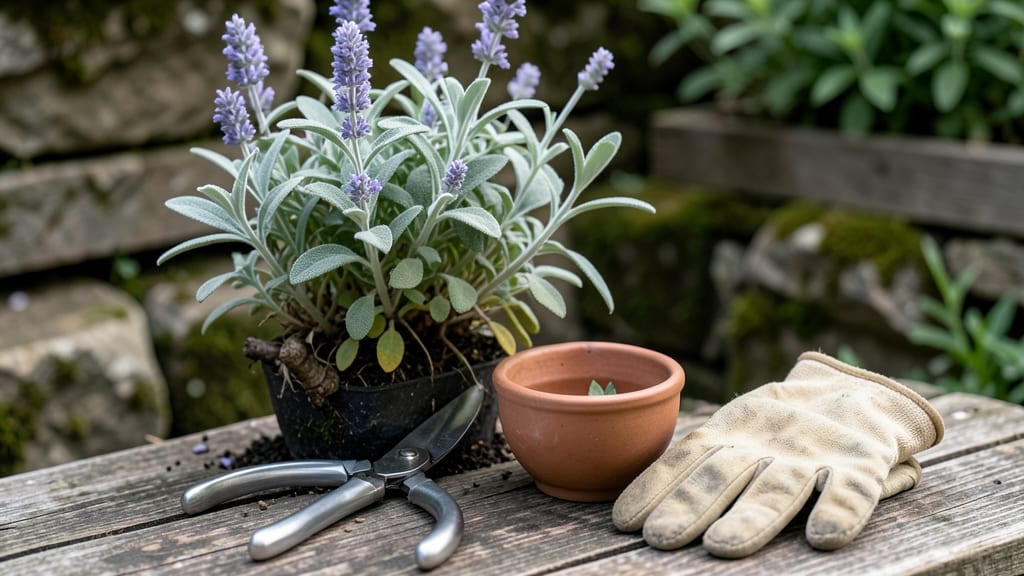
Harvesting sage leaves at the right time means snapping stems when they’re firm and aromatic—this simple trick unlocks the boldest flavor for your cooking.
Picture this: You pinch a leaf, and it snaps cleanly with a satisfying crack, releasing that fresh, piney scent. That’s your cue—waiting too long means bitter, woody leaves that ruin your dishes.
The secret lies in timing, technique, and knowing exactly how much to cut without harming your 🌿 sage plant.
Most gardeners miss the best window, which runs from late spring through early fall, but there’s more to it than just the season. You’ll also need the right tools, a light touch, and a few pro tips to dry or store your harvest properly.
Skip these steps, and you might end up with flavorless stems or a struggling plant.
In this guide, I’ll walk you through the exact steps to harvest sage leaves for peak flavor, from recognizing the perfect stem to storing your bounty for months. No more guesswork—just delicious, homegrown herbs ready for your next meal.


When to harvest sage leaves for maximum flavor and growth
Timing is everything when harvesting sage leaves—cut too early, and you’ll miss peak flavor; wait too long, and the plant loses its vigor. The secret lies in understanding your sage plant’s maturity and seasonal cycles.
For most varieties, like common sage (Salvia officinalis), the best time to harvest is when the plant has reached 6 to 12 inches in height and shows signs of robust growth. This typically occurs 90 to 120 days after planting, depending on your climate and growing conditions.
One of the most reliable ways to test readiness is the stem flexibility test. Gently bend a stem—if it snaps cleanly rather than bending, your sage leaves are at their peak flavor.
This usually happens just before the plant begins flowering, as the energy shifts from leaf production to seed development. Harvesting too late can leave your plant looking leggy and reduce future harvests.
Seasonally, aim for late spring through early fall (June to October in most USDA zones). Morning harvests yield the most aromatic oils, as temperatures are cooler and moisture levels are higher. Avoid harvesting after heavy rain or when leaves feel wilted, as this can dilute flavor and encourage disease.
- Plant Height: Harvest when stems reach 6–12 inches tall with 4–6 mature leaves per stem.
- Stem Test: Bend a stem—if it snaps cleanly, leaves are ready for harvest.
- Aroma Check: Crush a leaf—intense herbal scent means peak flavor.
- Timing: Harvest in morning hours (before 10 AM) for maximum essential oils.
- Avoid Flowering: Stop harvesting 2–3 weeks before buds appear to preserve plant energy.
Young sage plants in their first year may produce smaller leaves, but you can still harvest lightly by pinching back the tips to encourage bushier growth. For established plants, focus on outer stems first, leaving the inner growth intact to maintain the plant’s structure.
This method ensures your sage bush stays healthy and productive for years.
If you’re growing sage for culinary use, prioritize harvesting leaves just before they fully mature—this is when their flavor compounds are most concentrated. Over-mature leaves can taste bitter, so regular light harvests (every 4–6 weeks) yield the best results.
For ornamental purposes, you can wait slightly longer, but always avoid cutting more than one-third of the plant at once.
Watch for new growth as a key indicator. When you see fresh, vibrant leaves emerging, it’s a sign your plant is ready for another harvest. This cycle typically repeats every 6–8 weeks during the growing season, giving you multiple opportunities to enjoy fresh sage leaves throughout summer and early fall.
In cooler climates (USDA zones 3–5), extend your harvest season by protecting plants with row covers or moving potted sage indoors before the first frost.
Even in warmer zones, a light frost can improve flavor by converting starches into sugars, but avoid harvesting after a hard freeze, as this can damage the plant.
Pro tip: Keep a harvest journal to track when your specific sage variety reaches peak flavor. Factors like soil type, sunlight exposure, and watering habits can shift optimal harvest times by 1–2 weeks. Over time, you’ll develop an instinct for when your sage leaves are at their best.
Remember, the goal is to balance flavor extraction with plant health. By following these cues, you’ll enjoy a steady supply of fragrant, vibrant sage that enhances both your garden and your dishes—without compromising future growth.
Step-by-step guide to harvesting sage leaves correctly
Harvesting sage leaves properly ensures your plant stays healthy while delivering the boldest flavor. Start by selecting mature stems—look for ones that are at least 6 inches tall with fully developed leaves.
The best time to harvest is in the morning, when essential oils are most concentrated and the leaves are freshest.
Use clean, sharp pruning shears or gardening scissors to avoid crushing stems. Never use your fingers to pinch leaves, as this can damage the plant and reduce future growth. Always cut just above a leaf node or set of leaves to encourage new shoots to form.
- Over-harvesting: Never take more than 1/3 of the plant at once. This ensures the sage has enough energy to regrow.
- Cutting too low: Avoid trimming into old wood—this can kill the plant. Always leave at least 2-3 inches of stem.
- Harvesting before flowering: Wait until just before blooms appear. Flowering reduces leaf flavor and plant vigor.
Proper technique keeps your sage lush and productive for years!
Begin harvesting by selecting the outermost stems first. These are the oldest and have the most developed leaves. Cut stems at a 45-degree angle to increase the surface area for water absorption, which helps the plant recover faster.
If you're harvesting for drying, bundle stems together with a rubber band before hanging.
For continuous harvests, space out your cuts every 4-6 weeks during the growing season. This prevents overburdening the plant and maintains a steady supply of fresh leaves. After each harvest, water your sage deeply to encourage new growth and help it bounce back quickly.
If you notice yellowing leaves or stunted growth after harvesting, your plant may need a break. Sage is resilient but benefits from a 2-3 week recovery period between heavy harvests. During this time, focus on keeping the soil moist but well-drained and providing full sun exposure.
Once you’ve mastered the technique, you’ll enjoy a year-round supply of fresh sage. Store harvested leaves in the fridge for up to a week or dry them for long-term use. With the right approach, your sage plant will thrive and reward you with abundant, flavorful leaves season after season. 🌿✂️