
How To
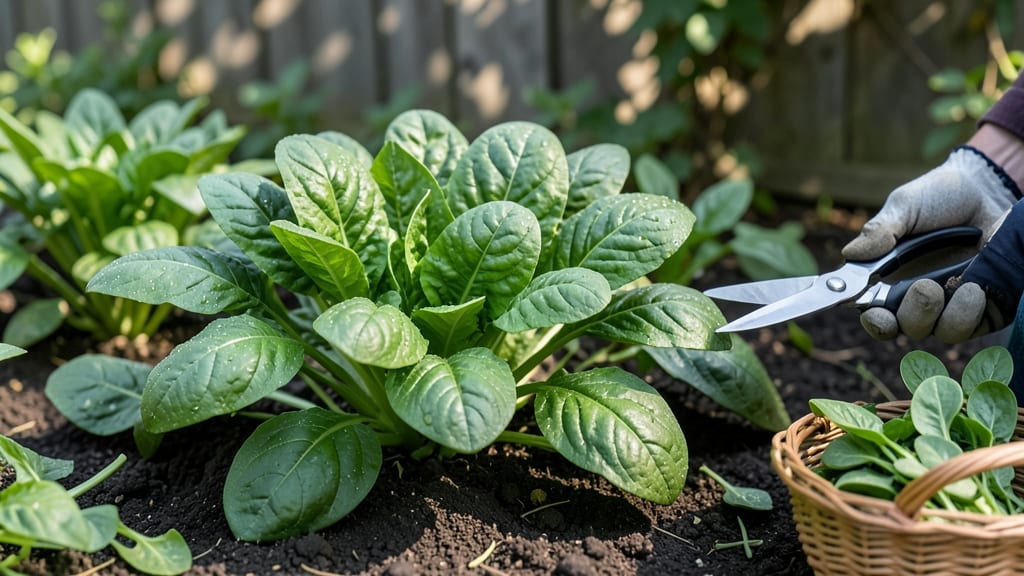
Harvesting spinach by cutting outer leaves first keeps it growing strong for weeks 🍃—the trick is timing, technique, and avoiding over-picking.
Picture this: you’ve just planted your spinach, eager for fresh greens, only to watch it bolt or slow down after a few harvests. That’s because most gardeners make one critical mistake—pulling entire leaves instead of trimming selectively.
The right method turns a single planting into a continuous harvest, and I’ll show you exactly how.
Spinach thrives when you leave the inner leaves intact, letting the plant focus its energy on regrowth. In just 3 simple steps, you’ll learn the proper way to snip, how often to harvest, and what soil care keeps your plants productive all season.
No more replanting, no more wasted effort—just a steady supply of tender greens.
Ready to turn your spinach patch into a never-ending salad bar? Here’s the game-changer: start harvesting when leaves hit 4-6 inches, always cut from the outside, and space your picks 1-2 weeks apart. The rest is easy—your spinach will thank you with bigger, tastier leaves every time.


Why cutting outer leaves maximizes spinach regrowth (and how to do it right)
Spinach is one of those magical garden plants that rewards patience with continuous harvests—but only if you harvest it the right way. Most gardeners make the mistake of cutting the innermost leaves, which stunts growth.
The secret to endless spinach lies in trimming the outer leaves first, allowing the plant to redirect energy to new growth. This method preserves the growth point (the center of the plant) while still giving you fresh leaves to eat.
When you harvest outer leaves, you're essentially pruning for productivity. The plant interprets this as a signal to prioritize regrowth rather than bolting (flowering prematurely).
Studies show that spinach plants can produce 3-5 harvests per season when harvested correctly, compared to just 1-2 harvests if you cut from the center. Plus, outer leaves tend to be more mature and flavorful, making them the perfect choice for continuous harvesting.
Here’s the science behind it: The growth point at the base of spinach is where all new leaves emerge. When you remove outer leaves, you’re minimizing stress on this critical area while still removing older, less tender leaves.
This balance keeps the plant energized for regrowth instead of forcing it to bolt or decline. Think of it like trimming a bush—you cut back the outer branches to encourage fuller growth in the center.
Before you start harvesting, make sure your spinach plants are at least 4-6 weeks old and have 4-6 inch leaves. Younger plants are still establishing their root systems, and harvesting too early can set back growth.
Also, avoid harvesting on hot, sunny days, as this can cause stress to the plant. Early morning is the best time to harvest when leaves are tender and hydrated.
How to Harvest Spinach for Continuous Regrowth
- Step 1: Wait for the Right Size Harvest only when outer leaves reach 4-6 inches long. Smaller leaves mean the plant isn’t ready.
- Step 2: Use Clean, Sharp Scissors Avoid tearing leaves—use sterilized scissors or pruning shears to make clean cuts 1/4 inch above the base.
- Step 3: Cut Outer Leaves Only Never remove more than 1/3 of the plant at once. Focus on the largest, outermost leaves to protect the growth point.
- Step 4: Leave the Center Intact The innermost leaves (closest to the base) should never be cut. These are the plant’s energy source for regrowth.
- Step 5: Harvest Every 1-2 Weeks For continuous production, harvest outer leaves every 7-14 days, depending on growth speed.
- Step 6: Water and Fertilize After Harvesting Give the plant 1 inch of water and a light fertilizer (10-10-10) to boost regrowth.
One of the biggest mistakes I see in gardens is over-harvesting. If you cut too many leaves at once, the plant won’t have enough energy to recover, and you’ll end up with bolting or stunted growth.
Another common error is harvesting from the center, which can kill the plant since the growth point is there. Always prioritize the outer leaves—they’re the sacrificial lambs that keep your spinach thriving.
To maximize regrowth, pair your harvesting technique with proper aftercare. After trimming, water deeply to help the plant recover, and add a layer of compost around the base to replenish nutrients. Spinach is a heavy feeder, so it needs consistent nitrogen and potassium to bounce back quickly.
A balanced fertilizer like 10-10-10, applied every 4-6 weeks, works wonders for keeping your plants productive.
If your spinach starts to bolt (send up flower stalks), it’s a sign you’ve stressed the plant too much—either through over-harvesting, heat stress, or drought. Once bolting begins, the leaves become bitter and tough, and the plant will stop producing tender greens.
To prevent this, harvest regularly, keep soil moist but not soggy, and provide partial shade during hot afternoons if you’re in a warm climate.
With the right technique, your spinach can keep producing tender, fresh leaves for months. I’ve had my own spinach plants yield harvests every 2 weeks from early spring until fall, simply by following these steps.
The key is patience and precision—don’t rush the process, and always prioritize the outer leaves. Your garden (and your salads) will thank you!
Spinach harvesting timeline: when, how often, and what to avoid
Timing your spinach harvest is everything—get it wrong, and you’ll watch your plants bolt or slow down after just a few picks. The key is to harvest when leaves reach 4-6 inches and always work from the outside in.
This method preserves the plant’s energy while giving you a steady supply of greens for weeks. I’ve learned the hard way that skipping these steps leads to stunted regrowth, so let’s dive into the perfect schedule to keep your spinach thriving.
Spring-planted spinach typically hits its first harvest window 4-6 weeks after sowing, while fall crops may take slightly longer due to cooler temperatures. The goal is to harvest every 1-2 weeks throughout the season, but never take more than 1/3 of the plant at once.
This balance ensures your spinach keeps producing without stressing the roots or forcing early bolting.
How to Harvest Spinach So It Keeps Growing
- 1. Wait for maturity: Harvest only when outer leaves reach 4-6 inches—smaller leaves won’t regrow well.
- 2. Use clean shears: Snip leaves at the base with sharp scissors to avoid tearing stems and inviting disease.
- 3. Leave the center: Always cut outer leaves first, preserving the inner growth point for continuous production.
- 4. Space harvests: Wait 1-2 weeks between cuts to let new leaves develop fully before picking again.
- 5. Avoid over-harvesting: Never remove more than 1/3 of the plant at once—this stunts regrowth.
- 6. Time it right: Harvest in the morning when leaves are crisp and hydrated for the best flavor.
Seasonal adjustments are crucial—spring spinach grows fastest in cool weather, so you can harvest every 7-10 days if conditions are ideal. In fall, extend your harvest by planting a second crop 6-8 weeks before your first frost.
The cooler temps slow growth, so space harvests 2-3 weeks apart to prevent bolting. I’ve found that fall spinach often produces longer if you stop harvesting 4-6 weeks before frost, letting the plant bulk up for a final flush of tender leaves.
Watch for these red flags that signal you’re over-harvesting: yellowing leaves, slow regrowth, or plants that look leggy or sparse. These signs mean your spinach is struggling to recover, and it’s time to cut back on picking.
Instead, focus on soil care and watering to revive the plant. A simple trick I use is to fertilize lightly with a balanced 10-10-10 mix after a stressful harvest to give the plant a nutrient boost.
One mistake I see often is harvesting spinach when it’s bolting—those bitter, stemmy leaves are a sign the plant is done producing. If you notice flower stalks forming, stop picking immediately and let the plant go to seed.
You’ll get a second crop of smaller leaves from the side shoots, but timing is everything. For year-round production, succession plant every 2-3 weeks in spring and fall to ensure a continuous supply without gaps.
Pro tip: Mark your calendar with harvest reminders to stay consistent. I use a small garden journal to track when I plant, when I harvest, and how the spinach responds.
This helps me adjust my schedule each season. With the right timing and care, your spinach will keep growing strong—no replanting required! 🍃