
How To
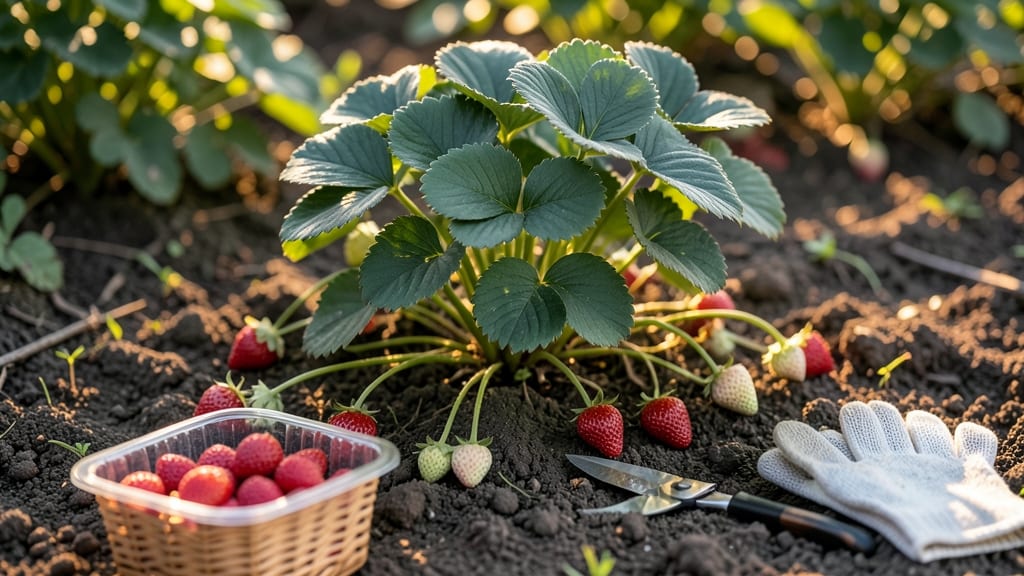
To harvest strawberries at their sweetest, you need to know when they’re ripe and how to pick them without damaging the plant or the fruit.
Picture this: you’re reaching for a bright red strawberry 🍓, but it snaps off the stem, leaving behind a bruised mess. That’s the frustration of picking too hard—or too late. The difference between a perfect berry and a squashed one often comes down to timing and technique.
Strawberries ripen quickly, and once they’re off the vine, they won’t sweeten further. That means you’ve got a narrow window to harvest them at peak flavor while keeping the plant healthy for future yields.
Below, I’ll walk you through the exact signs of ripeness, the best tools to use, and the gentle methods that protect both your berries and your plants.
By the end, you’ll be harvesting like a pro—no more overripe squishes or underripe disappointments. Ready to turn your strawberry patch into a sweet, steady supply?


When and how to tell strawberries are ripe for picking
There’s nothing quite like the first taste of a perfectly ripe strawberry—sweet, juicy, and bursting with flavor. But knowing when to harvest strawberries is an art that combines observation, timing, and a little patience.
The difference between a peak-flavor berry and one that’s still firm or already overripe often comes down to these three key factors: color, texture, and taste. Let’s break down how to spot the ideal moment to pick, so you never miss the sweetest harvest.
Strawberries don’t all ripen at once, which means you’ll need to check your plants every 2-3 days during peak season. June-bearing varieties typically ripen in June-July, while everbearing and day-neutral types produce fruit from May through August.
The key is to harvest them just as they ripen—not before, not after—to ensure maximum sweetness and prevent rot. Overripe berries not only lose flavor but can also attract pests like birds and slugs, so timing is everything.
| Ripeness Sign | What to Look For | Best Time to Pick |
|---|---|---|
| Color | Fully red (or variety-specific color like yellow or white) | Morning after dew dries |
| Texture | Plump and slightly soft when gently squeezed | Avoid mushy or hard berries |
| Taste | Sweet aroma and natural sugars when tasted | Harvest in cool morning hours |
| Detachment | Berries pull away easily from the plant | Use clean scissors for stubborn stems |
| Seasonal Note | June-bearing: All at once; Everbearing: Multiple flushes | Check plants daily during peak season |
Color is your first clue, but it’s not the only one. A ripe strawberry should be deeply colored—fully red for standard varieties, or the specific hue of your chosen type (like golden yellow for 'Golden Jubilee' or white for 'Pineberry'). However, color alone isn’t enough.
Some berries might look ripe but still taste bland or tart. That’s where texture comes into play. Gently squeeze a berry between your thumb and forefinger—it should feel plump and slightly yielding, almost like a ripe peach. If it’s rock-hard, it’s not ready yet.
If it’s mushy, it’s past its prime.
Morning is the best time to harvest strawberries because the fruit is cooler and firmer, reducing the risk of bruising. Plus, the sugars are more concentrated after a night’s rest.
If you must pick in the afternoon, do so in the early hours (before 10 AM) to avoid the heat, which can cause berries to overripen quickly. Pro tip: Use a small basket or clamshell container lined with paper towels to keep harvested berries cool and prevent crushing.
Never leave them in the sun for long after picking.
Taste is the ultimate test, but it’s also the most subjective. A truly ripe strawberry will release a sweet, fragrant aroma when you bring it close to your nose. If you’re unsure, take a small bite—if it’s tart or bland, it’s not ready.
The flavor should be a perfect balance of sweetness and acidity, with no hint of sourness. Remember, strawberries continue to ripen slightly after picking, so don’t rush to harvest them just because they’re red. Wait until they pass the taste test for the best results.
Seasonal variations play a huge role in ripeness. June-bearing strawberries, for example, produce a single massive harvest in late spring to early summer. These berries ripen all at once, so you’ll need to pick them every few days to avoid a glut of overripe fruit.
Everbearing and day-neutral varieties, on the other hand, offer multiple harvests throughout the season. They ripen in waves, so you’ll find ripe berries scattered across the plant at different times. For these types, check your plants every 2-3 days to catch them at peak ripeness.
One common mistake is assuming that all berries on a plant are ready at the same time. In reality, strawberries often ripen asynchronously, meaning some will be ready while others are still firm. To avoid disappointment, pick only the ripe ones and leave the rest to mature.
This not only ensures you get the sweetest berries but also encourages the plant to produce more fruit. Overripe berries left on the plant can attract pests and diseases, so remove them promptly.
If a berry starts to rot, trim it off with clean scissors and dispose of it far from your garden to prevent the spread of fungus.
Temperature also affects ripeness. In hot climates, strawberries may ripen faster and become overripe more quickly. If you notice berries turning soft or developing mold in high heat, harvest them as soon as they’re ripe to avoid waste.
In cooler regions, strawberries might take longer to ripen, so be patient and check them regularly. The goal is to harvest when the berries are at their peak flavor and firmness, not a moment before or after. This attention to detail will make all the difference
Step-by-Step strawberry harvesting techniques to prevent damage
Harvesting strawberries requires a gentle touch to avoid bruising those delicate fruits. Timing and method are everything—pick too early or too roughly, and you’ll sacrifice flavor and quality. The key is knowing when berries are ripe and how to handle them without damaging the plant or fruit.
I’ve learned that morning harvests yield the sweetest berries, as they’ve had time to cool overnight.
Before you start, gather your tools: a clean harvesting basket, sharp pruning shears, and gardening gloves to protect your hands from thorns. Avoid metal containers, as they can bruise the fruit.
The goal is to pick only the ripest berries while leaving others to mature naturally. This ensures a longer harvest season and healthier plants for future yields.
How to Harvest Strawberries Like a Pro
- 🌱 Step 1: Identify Ripe Berries – Look for fully colored fruit (red, yellow, or white, depending on variety) that’s plump and slightly soft when gently squeezed. Avoid berries that are still pale or firm.
- 👆 Step 2: Choose Your Tool – Use your fingers for small batches or clean pruning shears for larger harvests. Never pull berries by the stem—this can damage the plant.
- ✂️ Step 3: Snip or Pluck Gently – If using shears, cut the stem 1/4 inch above the berry. For fingers, grasp the berry firmly and twist slightly to detach it cleanly from the receptacle.
- 🌿 Step 4: Handle with Care – Place berries gently in your basket, avoiding stacking or tossing. Bruised berries spoil quickly and can spread mold to others.
- 💧 Step 5: Harvest in Stages – Pick berries every 2-3 days during peak season to encourage more production. June-bearing varieties benefit from staggered harvesting.
One of the biggest mistakes I see is overloading the basket or harvesting in the heat of the day. Strawberries are highly perishable, so work quickly and store them in the fridge as soon as possible.
If you’re harvesting for long-term storage, consider freezing or making jam—this preserves their flavor while avoiding waste.
After harvesting, inspect your plants for any damaged leaves or runners. Remove any diseased or yellowing foliage to keep the plant healthy. I also recommend watering deeply after a big harvest to help the plant recover and prepare for the next flush of fruit.
Mulching around the base can retain moisture and protect berries from soil-borne diseases.
For everbearing or day-neutral varieties, you’ll have multiple harvests throughout the season. These plants produce fruit in waves, so stay consistent with your checks. The more you harvest, the more your plants will reward you with a bountiful yield.
Just remember: patience and gentleness are your best tools for a successful strawberry harvest.
Pro tip: If you’re growing strawberries in containers or hanging baskets, be extra careful not to disturb the roots. These plants are shallow-rooted, and rough handling can reduce future yields.
With the right technique, you’ll enjoy sweet, juicy strawberries all season long without the stress of damage or spoilage. 🍓