
How To
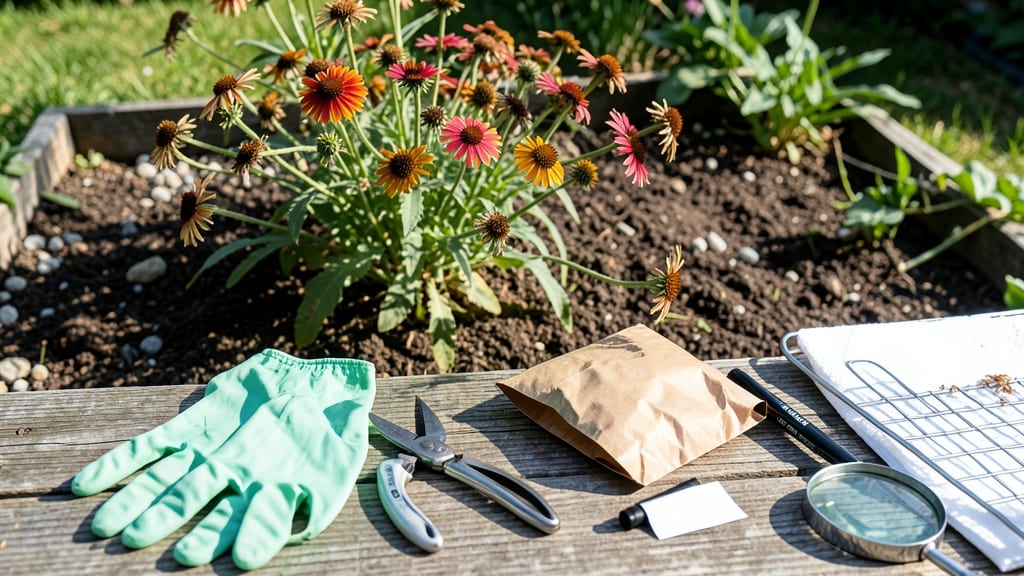
Harvesting strawflower seeds at the right time ensures strong germination for next year’s vibrant blooms—wait until the heads flatten and rattle like tiny drums.
Strawflowers aren’t just garden eye-candy; they’re seed-saving powerhouses when you know the exact moment to collect them. Miss the window, and you risk seeds that won’t sprout—or worse, waste a season’s effort.
Look for heads that turn a deep, even brown and feel dry to the touch. Give them a gentle shake: if seeds rattle inside, they’re ready. This usually happens in September or October, depending on your climate.
In this guide, I’ll walk you through the step-by-step process—from cutting the right heads to drying and storing seeds properly—so you can grow a whole new batch of 🌼 strawflowers next spring.


When to harvest strawflower seeds: the 3 key signs heads are ready
Timing is everything when harvesting strawflower seeds. If you pick too early, seeds won’t germinate well. Wait too long, and they might scatter or lose viability.
The perfect moment arrives when flower heads flatten, turn uniformly brown, and seeds rattle inside—three foolproof signs your seeds are ready for collection.
Strawflowers thrive in USDA Zone 6a and beyond, with ideal harvest windows falling between late summer and early fall (September–October). In warmer climates (Zones 8–10), you may harvest as early as August, while cooler regions (Zones 3–5) might extend harvesting into November.
Always check for the three key readiness signs before harvesting.
-
1. Flattened, Dry Heads
Heads collapse into a flat, papery disk. Press gently—if they don’t spring back, they’re ready. -
2. Audible Rattling
Shake a head near your ear—if seeds rattle loudly, they’re mature and dry. -
3. Brown, Not Green
Color shifts from pink/purple to deep brown. Avoid harvesting if any green remains.
Don’t confuse dry, brown heads with wilted blooms. A ready seed head stays attached to the stem but feels lightweight and brittle. If you pluck it and it crumbles easily, you’ve missed the window—harvest too late, and seeds may scatter or lose viability.
Climate plays a critical role. In humid zones (e.g., Southeast U.S.), harvest sooner to avoid mold. In dry climates (e.g., Southwest U.S.), wait until heads are fully crispy. Always prioritize the three key signs over calendar dates for the best results.
Watch for seed pod changes up close. Use a magnifying glass if needed to spot tiny brown seeds inside the dried florets. These seeds are your prize—once harvested, they’ll yield next year’s vibrant blooms with proper storage.
If you’re unsure, perform the shake test: Hold a head over a white surface (like paper) and shake vigorously. Ready seeds will rain down like confetti. If only a few fall, wait another week. This test saves time and ensures high germination rates.
Missed the harvest window? Don’t panic. Strawflower seeds can remain viable for 2–3 years if stored properly. But for best germination, harvest at the peak of readiness—when heads are brown, flat, and rattling. This timing guarantees seeds that sprout quickly and grow strong.
For container growers, harvest seeds as soon as heads dry to avoid overcrowding. In-ground plants offer more leeway, but always check for the three readiness signs before cutting. Use clean, sharp scissors to snip stems just above the base, leaving room for new growth.
Once harvested, dry seeds indoors for 1–2 weeks in a well-ventilated area (like a mesh bag). Avoid direct sunlight or heat, which can reduce germination. Store dried seeds in a cool, dark place (like a jar) until planting season.
Mastering these three key signs transforms strawflowers from seasonal blooms into a self-sustaining garden resource. With practice, you’ll harvest seeds with confidence—ensuring your garden stays bursting with color year after year. 🌼
Step-by-step strawflower seed harvesting method for maximum germination
Harvesting strawflower seeds at the right time ensures high germination rates and saves you money for next year’s garden. The key is patience—wait until the flower heads flatten and seeds rattle inside before collecting.
Premature harvesting leads to poor viability and wasted effort. Grab your tools and let’s dive into the step-by-step process to maximize your seed yield.
Before you begin, gather these essential tools: sharp pruning shears, a paper bag or envelope for drying, a flat surface for spreading seeds, and a label with the harvest date.
Avoid plastic bags—they trap moisture and cause mold. Now, let’s get started with the harvesting timeline that guarantees success.
Step-by-Step Strawflower Seed Harvesting
-
Step 1: Identify Ready Seed Heads
Look for flattened, dry flower heads that turn uniformly brown. When you shake them, seeds should rattle loudly inside. -
Step 2: Cut the Seed Heads
Use clean pruning shears to snip the dry flower heads just above the stem. Avoid damaging the seed pods inside. -
Step 3: Remove Seeds from Heads
Place the heads in a paper bag and gently crush them with your hands to release the small black seeds. -
Step 4: Dry the Seeds
Spread seeds on a flat surface in a dry, shaded area for 1-2 weeks. Stir them daily to prevent mold. -
Step 5: Store Properly
Once fully dry, store seeds in a paper envelope or glass jar with a desiccant packet in a cool, dark place.
One of the most common mistakes is harvesting seeds too early. Green or partially colored heads won’t produce viable seeds. Always wait until the heads are completely dry and brown.
Another pitfall is storing seeds in plastic containers, which traps moisture and reduces germination rates. Paper or fabric bags are your best bet for long-term storage.
After drying, test a few seeds by placing them on damp paper towels. If they sprout within 7-10 days, your seeds are ready for planting.
Label each batch with the harvest date and variety to keep track of viability. With this method, you’ll enjoy healthy strawflower seedlings year after year.
Pro tip: Harvest seeds on a dry, sunny day to minimize humidity during the drying process. This small detail can make a big difference in seed longevity. Happy harvesting!