
How To
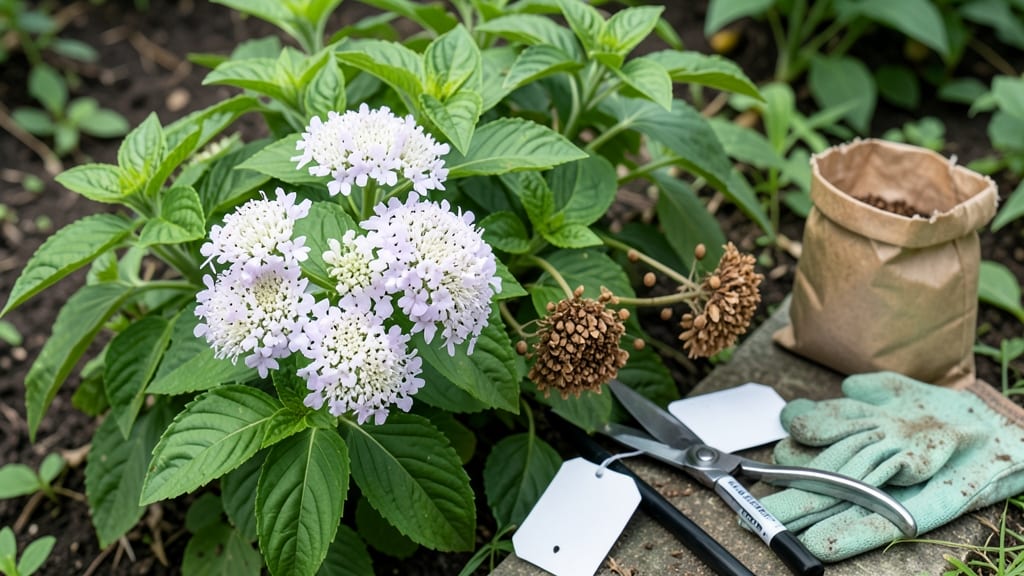
To harvest Thai basil seeds, wait until the seed pods turn brown and dry completely—this is your cue that they’re ready to collect before the plant sheds them.
Thai basil isn’t just a flavor powerhouse—it’s a seed-saving goldmine, but timing is everything. Miss the window when pods turn brown and crispy, and you’ll lose your chance to grow next season’s crop from home.
Most gardeners overlook the subtle signs: pods that rattle when shaken, flowers that shift from purple to a deep, papery brown, and leaves that yellow at the edges. These visual cues mean your seeds are nearly ready.
Below, I’ll walk you through the exact steps to harvest, dry, and store seeds properly—so you can save money, preserve your favorite variety, and avoid common pitfalls like mold or seed loss.


When and how to identify mature Thai basil seed pods for harvesting
Harvesting Thai basil seeds at the right moment ensures strong germination rates for next season's crop. The key lies in watching for visual cues like color changes and texture shifts in the seed pods.
When pods turn from green to brown and develop a crispy feel, they're ready for collection. Missing this window means seeds may not dry properly or could scatter before you harvest them.
Environmental factors like temperature and humidity play crucial roles too. Ideal conditions for seed maturation include warm days (75-85°F) and low humidity (below 60%). If your climate stays too damp, pods may develop mold instead of drying out. Pay attention to these signals to avoid wasted effort or spoiled seeds.
Here's a quick comparison to help you spot the perfect moment:
| Stage | Pod Color | Pod Texture | Seed Sound | Action |
|---|---|---|---|---|
| Immature | Green | Soft | None | Wait |
| Developing | Purple/White | Slightly firm | None | Monitor |
| Mature | Brown | Crispy | Rattling | Harvest |
| Overripe | Gray/Brittle | Crumbly | Empty | Too late |
To confirm readiness, gently shake a mature pod over a white paper or your hand. If seeds rattle and small brown seeds fall out, it's time to harvest. This seed rattling test is the most reliable way to check without damaging the pods.
Perform this test on 2-3 pods from different parts of the plant for consistency.
Timing matters most during late summer when Thai basil naturally slows growth. Look for brown flower spikes that have replaced the purple blooms. These dried spikes are where your seeds reside.
If you see yellowing leaves paired with these brown spikes, your plant is signaling it's time to collect seeds before energy shifts to winter survival.
Morning is the best time to inspect pods because dew evaporates and humidity drops, making it easier to assess texture. Avoid checking after rain when pods might feel temporarily softer. Use a magnifying glass if needed to examine seed development closely, especially in dense foliage.
Temperature extremes can trick you into thinking pods are ready. If your area experiences unseasonably cool nights (below 60°F), pods may dry slower. In these cases, wait an extra 3-5 days before harvesting.
Conversely, in hot climates (above 90°F), pods dry faster—check them every 2-3 days to avoid missing the window.
One common mistake is harvesting based solely on flower color. While brown flowers indicate maturity, the pods must also be completely dry to the touch.
Press a pod gently—if it feels papery and crisp, it's ready. If it still has any give, wait another day or two for full maturation.
For container-grown Thai basil, check pods more frequently since they may mature slightly faster due to limited root space. If you're growing in pots or hanging baskets, inspect pods every 48 hours during peak harvest season (July-August).
This frequent monitoring helps you catch the perfect moment before seeds scatter or pods become overripe.
Once you've identified mature pods, act quickly but gently. Use clean, sharp scissors or pruners to snip the entire seed spike about 1 inch below the base.
This prevents damaging the plant while ensuring you capture all developing seeds. Store harvested spikes in a paper bag to allow airflow while preventing seed loss.
Step-by-step guide to harvesting, drying, and storing Thai basil seeds
Once your Thai basil plants flower and the seed pods begin drying, you’ve got a 3-5 week window to collect seeds before they scatter naturally. The key is acting fast once the pods turn brown and papery—this signals they’re ready for harvest.
I’ve learned the hard way that waiting too long means seeds spill onto the soil, and you lose your hard-earned crop to birds or decomposition.
Harvesting at the right moment ensures high germination rates and saves you from disappointment when your stored seeds fail to sprout.
Below, I’ll walk you through the exact steps I use to collect, dry, and store Thai basil seeds for next season’s garden, including pro tips to avoid common pitfalls like mold or moisture damage.
Gently twist or snip the dried flower stalks (about 3-4 inches long) when they’re fully brown and crispy. Use clean scissors or fingers to avoid damaging the seeds. Place pods in a paper bag to prevent seed loss from handling.
Spread pods on a clean, dry towel in a well-ventilated area (like a sunny windowsill or dehydrator set to 95°F) for 3-5 days. Stir them daily to ensure even drying. Over-drying can make seeds brittle, so check for hard, rattling pods—this means they’re ready.
Once pods are completely dry, place them in a paper bag and gently crush them with your hands or a rolling pin. The seeds will fall out while the chaff stays behind. Sift the mixture through a fine mesh sieve to separate seeds from debris.
Fill a small glass with water, add 10 seeds, and stir. After 10 minutes, count how many sink (viable) vs. float (non-viable). Aim for 80%+ viability—if lower, store seeds in the fridge for 1-2 weeks to improve germination.
Transfer clean, dry seeds to an airtight container (like a glass jar with silica gel) and store in a cool, dark place (e.g., fridge or freezer). Label with the harvest year—seeds stay viable for 2-3 years under these conditions.
For paper towel drying, place seeds between two sheets of paper towels in a sealed bag for 24-48 hours to speed up the process. This method works well if you’re short on time, but monitor for mold risk—discard any seeds that develop fuzzy spots.
I prefer air-drying for larger batches because it’s hands-off and reduces contamination.
Pro tip: If you’re unsure whether your seeds are ready, perform the "shake test". Hold a pod over a white plate and shake it—if seeds fall out easily, they’re harvest-ready.
If not, wait another 2-3 days and check again. Patience here prevents wasted effort and ensures you’re saving the best seeds for your garden.
Once stored, your Thai basil seeds will be ready to plant next spring. Just remember: label everything and store seeds in a cool, dark place to maintain their germination potential for years to come. Happy seed-saving!