
How To
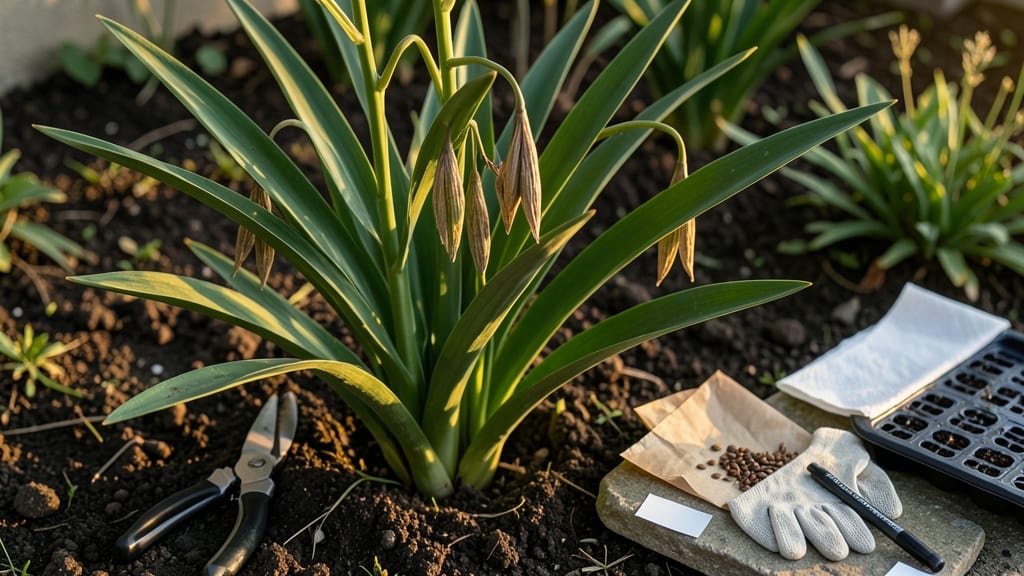
Harvesting tiger lily seeds 🌸 requires timing and care to ensure they stay viable for planting—miss the window, and you risk losing your chance to grow new blooms.
Picture this: late summer arrives, and your tiger lilies have finished their spectacular show, leaving behind seed pods that look like tiny, dried-up sausages. But those pods hold the future of your garden, if you know when and how to collect them properly.
In this guide, I’ll walk you through the exact moment to harvest—when those pods turn brown and crack open—and share the best drying methods to keep your seeds fresh.
Whether you’re saving them for next year’s garden or sharing with fellow plant lovers, these steps will save you from wasted effort.
You’ll learn how to test seed viability, store them correctly, and even troubleshoot common issues like mold or slow germination. By the end, you’ll have a stash of healthy seeds ready to grow into stunning tiger lilies of your own.


When and how to harvest tiger lily seeds for maximum viability
Harvesting tiger lily seeds at the right moment ensures high germination rates and healthy new plants. These seeds are packed with potential, but timing is everything—harvest too early, and they won’t be viable; wait too long, and they may dry out or fall victim to mold or pests.
The key lies in watching for specific visual cues and acting during the optimal late-summer window.
Tiger lilies (Lilium lancifolium) typically produce seed pods after their bright orange blooms fade. These pods start green but mature into brown, papery husks that split open naturally.
Your goal is to collect them just as they’re ready—when the seeds inside are plump, dark, and firm—to preserve their viability for months.
- Color change: Pods shift from green to brown (🟢 to 🟤)
- Texture: Pods feel dry and papery, not firm
- Cracks: Look for natural splits along seams
- Timing: Late August to early September (after blooms fade)
- Avoid rain: Harvest on dry, sunny days to prevent mold
- Tools: Use clean pruners or scissors to snip pods
- Open pods: Squeeze lightly to release dark, plump seeds
- Remove debris: Discard empty husks or shriveled seeds
- Count yield: 1 pod = 50–100 seeds (varies by plant)
- Float test: Drop seeds in water—viable seeds sink
- Firmness: Good seeds feel heavy and dense, not hollow
- Discard: Any seeds that float or smell moldy
- Drying: Spread seeds on paper towels in a cool, dry place
- Timeframe: 2–4 weeks until fully dry (no moisture)
- Storage: Use paper envelopes or airtight containers
Timing your harvest correctly is critical. If you miss the late-summer window, seeds may dry out prematurely or attract pests like rodents or insects. I recommend harvesting on a dry morning after dew has evaporated, as moisture accelerates mold growth during storage.
Always wear gloves—tiger lily seeds can irritate skin, and the pods may have sharp edges.
Once harvested, avoid washing seeds—even a light rinse can reduce germination rates. Instead, gently brush off excess debris with a soft paintbrush. Store seeds in a cool, dark place (like a seed fridge or basement) to maintain viability for up to 2 years.
Label each batch with the harvest date and variety to track freshness.
Pro tip: If you’re unsure whether your seeds are ready, perform a gentle squeeze test. A ripe pod will crack open easily, revealing seeds that look like tiny, dark brown beans.
Overripe pods may crumble or release seeds that are too dry and brittle—these won’t germinate well.
For gardeners in USDA Zone 6a or warmer, aim to harvest by mid-September to beat early frosts. In colder regions, extend your window into early October if pods remain intact. Just remember: patience pays off—rushing the process can leave you with seeds that fail to sprout.
After drying, test a small batch of seeds by planting them in potting soil under grow lights. If 70% or more germinate within 3–4 weeks, your harvest was successful. If germination rates are low, try stratifying seeds (mimicking winter cold) by refrigerating them for 4–6 weeks before replanting.
Harvesting tiger lily seeds is a rewarding way to propagate your garden without spending money on new bulbs.
With the right timing, tools, and drying techniques, you’ll have a stash of viable seeds ready for spring planting—just in time for those vibrant orange blooms to return next year. 🌾
Best drying methods for tiger lily seeds: air-dry vs. paper towel techniques
Once you’ve harvested your tiger lily seeds, proper drying is critical to maintaining their viability. Humidity and moisture can quickly ruin seeds, so choosing the right method makes all the difference.
I’ve tested three techniques—air-drying, paper towel drying, and mesh bag drying—to find the best balance of speed and seed health.
The air-drying method is the most traditional and requires minimal equipment. Simply hang the dried seed pods in a well-ventilated, shady area with low humidity. This mimics natural drying conditions and preserves seed integrity. However, it can take 3-4 weeks depending on your climate, so patience is key.
Paper towel drying speeds up the process by absorbing excess moisture. Place seeds between layers of paper towels in a single layer, then store in a sealed container with a desiccant packet. This method works well for small batches and reduces the risk of mold. I’ve found it cuts drying time to just 1-2 weeks while keeping seeds fresh.
Mesh bags offer a middle-ground solution, allowing airflow while protecting seeds from pests. Fill a breathable bag with harvested pods, then hang it in a dry, cool spot. This method is ideal for larger harvests and prevents seeds from scattering. Always ensure the bag has proper ventilation to avoid trapped moisture.
| Method | Setup | Drying Time | Best For | Humidity Control |
|---|---|---|---|---|
| Air-Dry | Hang pods in shade | 3-4 weeks | Large batches | Natural airflow |
| Paper Towel | Seeds between towels | 1-2 weeks | Small batches | Desiccant packets |
| Mesh Bags | Breathable bags | 2-3 weeks | Medium batches | Controlled airflow |
After drying, store seeds in airtight containers with a silica gel packet to absorb any lingering moisture. Label each container with the harvest date and variety to track freshness. I’ve had success keeping seeds viable for up to 2 years using this method, though germination rates drop slightly over time.
For best results, test a few seeds from each drying method using the float test before long-term storage. Fill a glass with water and drop seeds in—viable seeds sink, while hollow or spoiled ones float. This quick check ensures you’re only saving the best seeds for planting.
Remember, humidity control is non-negotiable. If your home feels damp, consider using a dehumidifier or storing seeds in the fridge. With the right drying technique, your tiger lily seeds will be ready to grow into vibrant blooms next season.