
How To
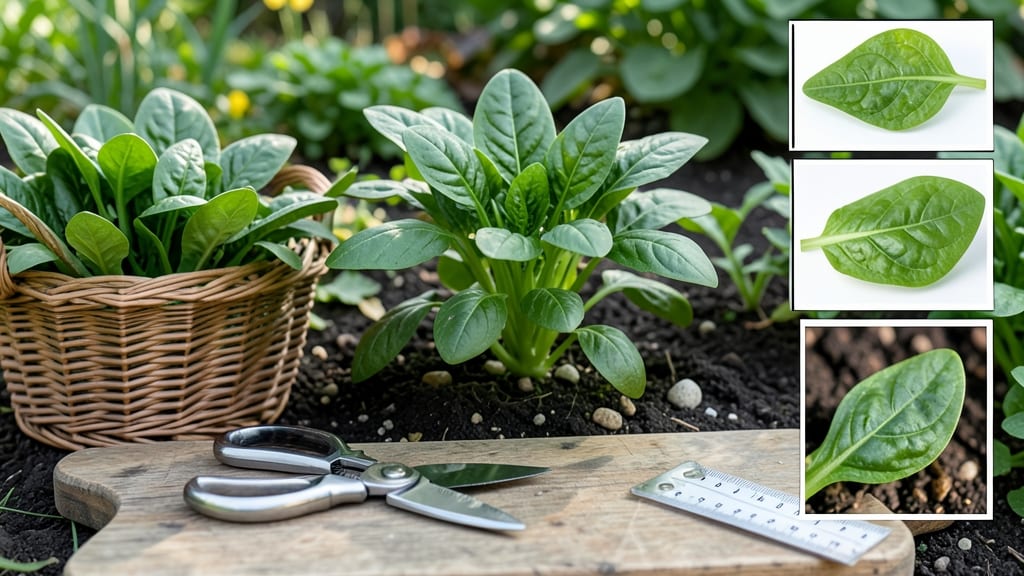
Knowing when to harvest spinach means catching it at the perfect moment—when leaves hit 4–6 inches and taste sweeter than ever 🌱.
Picking too early means missing flavor, but harvesting too late turns your greens bitter and tough. The trick? Watch for vibrant color, crisp texture, and the right size—all signs your spinach is ready to go from garden to plate.
This guide breaks down the visual cues, from leaf dimensions to color shifts, so you never overlook the ideal harvest window. Plus, I’ll share how to keep your spinach producing for weeks without forcing it to bolt.
Ready to master the art of spinach harvesting? Let’s dive into the three key signs that tell you it’s time to pick—before the heat or neglect ruins your crop.


Spinach leaf size and color: the 3 key signs it’s harvest-ready
Harvesting spinach at the perfect moment transforms your garden from a leafy green mess to a flavor-packed bounty. The difference between tender, sweet spinach and bitter, tough leaves often comes down to three key visual cues: leaf size, color intensity, and texture.
Ignoring these signs can mean sacrificing both quality and future harvests.
For most spinach varieties, the ideal harvest window begins when leaves reach 4–6 inches long. This size ensures the leaves have developed enough nutrient density while remaining tender enough to eat raw or cook lightly.
Smaller leaves (under 3 inches) are still edible but lack the bold flavor and nutritional depth of mature foliage.
Here’s how to spot the perfect spinach for harvest using these three non-negotiable signs:
| Sign | Description | Action |
|---|---|---|
| Leaf Size | Leaves 4–6 inches long, fully unfurled but not yet crowded | Harvest outer leaves first to encourage inner growth |
| Color | Deep green (or slight purple tint in cold weather) | Avoid harvesting if leaves turn yellow or brown (sign of stress) |
| Texture | Firm yet tender—crisp when young, slightly thicker as they mature | Test by pinching a leaf; if it snaps easily, it’s ready |
| Seasonal Note | Spring spinach may bolt faster (flower); harvest younger (3–4 inches) if temps rise above 75°F | Fall spinach can handle cooler temps and mature to 6 inches without bolting |
A deep green color is your best friend when harvesting spinach. The richer the hue, the higher the chlorophyll content and nutrient density. Some varieties, like 'Bloomsdale Long Standing' or 'Giant Winter', develop a slight purple tint when grown in cooler temperatures—this is normal and doesn’t affect taste.
However, if leaves start turning yellow or brown, it’s a sign of nutrient deficiency or heat stress, and you’ve waited too long.
Texture is the final puzzle piece. Perfectly harvested spinach should feel firm but not leathery. Run your fingers over the leaves—if they’re crisp and slightly resistant, they’re ready. Over-mature spinach becomes tough and fibrous, especially in the center of the plant where leaves crowd together.
This is your plant’s way of telling you it’s time to act fast before the flavor declines.
Seasonal variations play a huge role in spinach harvest timing. In spring, when days are longer and temperatures rise, spinach can bolt prematurely (send up a flower stalk). To avoid this, harvest leaves when they’re 3–4 inches long and prioritize younger, tender growth.
In fall, cooler weather slows growth, allowing leaves to reach their full 4–6 inch potential without bolting. This is why fall-harvested spinach often tastes sweeter and more robust.
Pro tip: Use a sharp pair of scissors or pruning shears to harvest spinach. Cut leaves just above the soil line or at the base of the leaf stem to encourage new growth.
Avoid pulling leaves by hand, as this can damage the plant and make it more susceptible to pests and disease. For cut-and-come-again harvesting, leave the central growth point intact so the plant keeps producing.
One common mistake is waiting until the entire plant is mature before harvesting. This can lead to bolting or stunted regrowth. Instead, practice selective harvesting: pick the outer leaves first, leaving the younger inner leaves to mature.
This method ensures a continuous supply of fresh spinach and prevents the plant from becoming overcrowded and stressed.
If you’re growing spinach in containers or small spaces, monitor leaf size closely. Compact varieties like 'Baby’s Leaf Hybrid' may reach harvest size in as little as 30 days, while larger types like 'Tyee' can take up to 60 days.
Always check the seed packet for variety-specific guidelines, as these can influence your harvest timing significantly.
Remember, the goal is to harvest spinach when it’s at its peak flavor and texture. By watching for these three key signs—leaf size, color, and texture—you’ll ensure every bite is as delicious as it is nutritious. Happy harvesting! 🌱
When to harvest spinach for continuous yield vs. full bolt resistance
Spinach thrives on a cut-and-come-again harvesting strategy, but timing is everything to avoid bolting—that bitter, flower-stalk-producing nightmare 🌱. The key lies in balancing leaf-by-leaf harvesting with plant recovery while preventing heat stress from triggering premature flowering.
For continuous yield, I recommend harvesting outer leaves when they reach 4–6 inches—this keeps the plant producing while leaving inner leaves to grow. But if your spinach starts developing yellow flowers or tough stems, you’ve waited too long.
Heat waves (above 75°F) are the biggest culprit for bolting, so shade cloth or afternoon shade becomes your best friend.
Here’s the golden rule: Never remove more than ⅓ of the plant in a single harvest. This rule ensures your spinach keeps growing while giving it time to recover.
For fall crops, I space harvests 7–10 days apart to stretch the season, while spring crops can handle more frequent pickings every 5–7 days.
Cut-and-Come-Again Harvesting: Pros & Cons
✅ Pros
- Extended harvest (weeks of fresh spinach)
- Prevents bolting by keeping plant young
- Tender leaves (best flavor and texture)
- Eco-friendly (less waste, no full uprooting)
❌ Cons
- Requires patience (can’t rush regrowth)
- Risk of bolting if harvested too aggressively
- Pests target stressed plants (aphids, flea beetles)
- Less yield per harvest (smaller leaves over time)
🌡️ Bolt Resistance Tips
- Use shade cloth (30–50% coverage in summer)
- Water deeply (1 inch/week to prevent stress)
- Choose heat-tolerant varieties (e.g., 'Tyee', 'Space')
- Avoid nitrogen spikes (too much fertilizer = faster bolting)
If your spinach is already bolting, don’t panic—you can still harvest the lower leaves for a few more weeks. But for future crops, focus on succession planting: Sow new seeds every 2 weeks in spring and 8 weeks before frost in fall.
This ensures a steady supply of tender spinach without the bolting battle.
Pro tip: Harvest in the morning when leaves are crispest. Use clean, sharp scissors or pruners to snip leaves 1 inch above the base—this encourages bushier regrowth. And always wash your spinach immediately after picking to remove dirt and pests.
Balancing harvest frequency with plant health is an art, but once you master it, you’ll enjoy weeks of homegrown spinach without the bitterness or bolt-induced heartbreak. Happy harvesting! 🌿