
How To
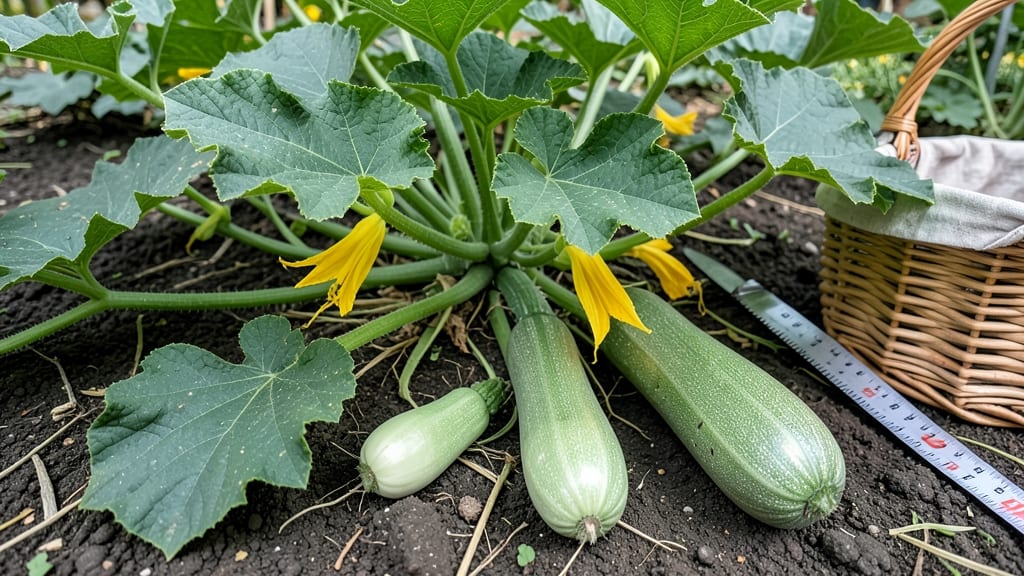
Knowing when to harvest squash 🎃 is all about reading three simple but critical cues—because picking too early means seedy, tough flesh, and too late means mushy overgrowth.
Picture this: you’ve spent weeks tending to your squash patch, and now the moment of truth arrives. One wrong move, and your hard work goes to waste—either as bitter, underdeveloped fruit or rotting on the vine.
The good news? With just a few visual and physical checks, you can nail the perfect harvest window every time.
From skin texture to stem firmness, this guide breaks down the exact signs to watch for—whether you’re growing zucchini, butternut, or pumpkin varieties. No more guesswork, no more wasted harvests.
You’ll learn how to test ripeness without cutting into your squash, spot the difference between underripe and overripe fruit, and even salvage near-misses. Ready to turn your garden’s bounty into kitchen-ready perfection?
3 Undeniable visual signs your squash is ready to harvest
Harvesting squash at the perfect moment transforms your garden bounty into delicious, tender meals. But timing is everything—pick too early, and you’ll get bitter, seedy squash. Wait too long, and it becomes woody and tough.
The key lies in three visual cues that tell you when your zucchini, butternut, or acorn squash is ready for the kitchen.
First, pay attention to the skin color. Mature squash develops a rich, consistent hue—no more streaks of green. For example, zucchini turns deep green, while butternut squash develops a golden-orange glow.
This color shift signals the squash has stopped growing and reached peak flavor. Ignoring this cue often leads to underripe squash that lacks sweetness.
Next, check the skin texture. A ripe squash skin feels hard and dull, almost like a plastic surface. If you press your thumbnail into the skin and it leaves a mark, the squash isn’t ready.
For winter squash like acorn or butternut, the skin should be so tough you can’t puncture it with your nail. This hardness means the squash’s starch content has fully developed.
Finally, examine the stem and vine. The stem where the squash attaches to the vine should harden and dry slightly. For summer squash like zucchini, the stem may even shrink away from the fruit.
Meanwhile, the vine itself might stop producing new flowers, signaling the plant’s energy is focused on maturing existing fruit. This is your green light to grab those shears.
One common mistake is harvesting by size alone. While size is a good starting point, it’s not foolproof. For instance, a zucchini can grow past its prime if left on the vine too long, becoming oversized and seedy.
Always cross-check size with the other two signs: color and texture. A 6-inch zucchini with soft skin isn’t ready, even if it’s the right length.
For winter squash like butternut or acorn, the stem condition is your best friend. When the stem near the fruit dries out and darkens, it’s a clear signal to harvest.
This drying process happens naturally as the squash matures, and ignoring it can lead to rot or pest damage. Pro tip: Use clean, sharp shears to avoid tearing the vine, which can introduce diseases.
Seasonal factors also play a role. In hot, dry climates, squash may mature faster, so check for ripeness every 2-3 days. Conversely, in cooler or cloudy seasons, growth slows, and you might need to wait longer.
Always adjust your harvesting schedule based on weather patterns and your specific squash variety’s growth rate.
If you’re still unsure, try the thump test: Give the squash a firm tap with your knuckles. A ripe squash will sound hollow and deep, while an underripe one will sound dull and flat.
This quick trick works especially well for winter squash like butternut or pumpkin. Combine this with the visual cues for a foolproof harvest.
Remember, the goal is to harvest squash when it’s at its peak flavor and texture. By mastering these three visual signs—color, stem condition, and size—you’ll avoid the
How to test squash ripeness without cutting it open (simple tricks)
Testing squash ripeness without damaging the fruit saves you time—and your harvest. The key is using simple, non-destructive tricks that work for both summer (like zucchini) and winter varieties (like butternut).
Start with the thump test, where you gently tap the squash with your knuckles. A ripe squash will sound hollow and firm, while an underripe one feels dull and soft.
For a more precise check, try the nail test. Press your thumbnail into the skin—if it leaves no mark, the squash is ready. This works especially well for acorn squash and pumpkins, where skin thickness matters. If the nail sinks in, wait a few days and test again.
🚨
If your squash feels too soft or the stem starts to dry out, it’s past prime. Overripe squash loses flavor and texture fast—sometimes in just 24-48 hours. For winter squash, harvest before the stem dries completely to avoid tough skin. Summer squash (like zucchini) should be picked before seeds harden—or they’ll turn bitter!
Next, inspect the vine and stem. A ripe squash’s stem will feel harder near the fruit and may even shrink slightly. For winter squash, the stem should snap easily when bent—this indicates peak ripeness. Summer squash, however, should be harvested before the stem dries out entirely.
Don’t overlook the color cues. Ripe squash develops a deep, consistent color—no green patches (unless it’s a heirloom variety like a striped cucuzza). For example, butternut squash turns golden, while zucchini shifts from green to a duller hue. Uneven coloring means it’s not ready yet.
Adjust your approach based on the squash type. Summer squash (like zucchini) should be smaller (6-8 inches) and harvested frequently to encourage more production. Winter squash (like pumpkins) needs full size and hard skin—wait until the stem dries and the skin resists your thumbnail.
Pro tip: Check squash in the morning when skin is cooler and firmer. Avoid testing after heavy rain, as moisture can make the skin feel softer than it is. With these tricks, you’ll never guess again—just harvest at the perfect moment for sweet, tender squash every time. 🌱