
How To
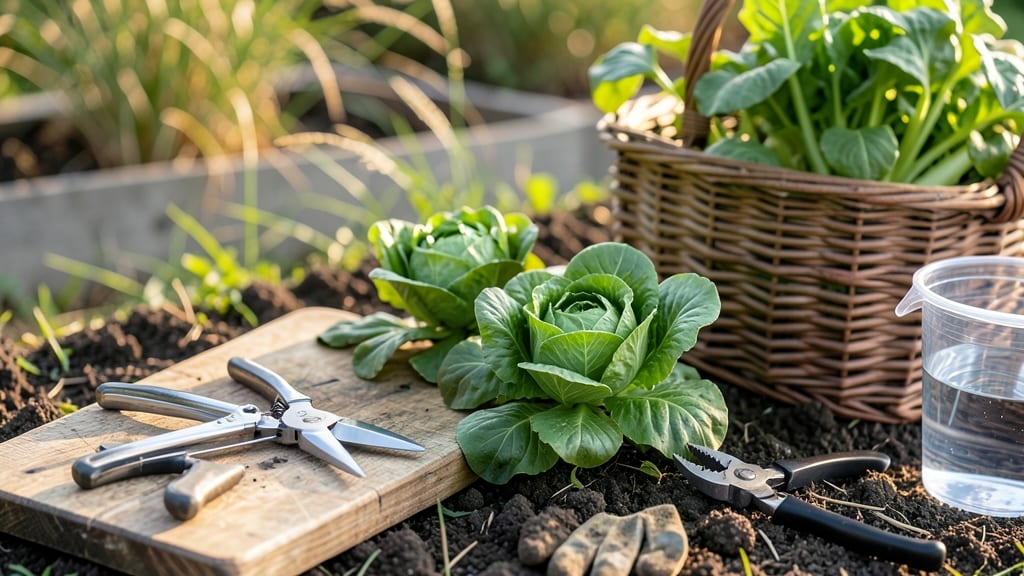
To properly harvest lettuce 🥬 at its peak, you need to know the right timing and techniques—or risk turning crisp leaves into bitter disappointment.
Harvesting lettuce at the wrong time can turn your crisp, tender leaves into bitter, bolted disappointment—but mastering the right techniques ensures a steady supply of fresh greens all season long.
Whether you're growing loose-leaf varieties for cut-and-come-again harvests or waiting for full heads to mature, the key lies in reading the plant's signals. Miss the window, and you'll end up with tough, woody stems or flowers that ruin the flavor.
In this guide, I’ll walk you through the exact steps to harvest lettuce without stressing the plant, how to spot the perfect moment, and even how to extend your harvest season. No more wasted effort!


When and how to harvest lettuce for maximum freshness and flavor
Timing your lettuce harvest is everything—pick too early, and you’ll sacrifice flavor; wait too long, and you risk bitter bolting or tough stems. The key lies in understanding your lettuce variety (loose-leaf vs. head) and watching for maturity cues like leaf size and texture.
I’ve learned that even a 2-day difference can transform crisp, sweet lettuce into a sad, woody mess.
For loose-leaf varieties like Buttercrunch or Oakleaf, you can start harvesting as early as 30 days after planting when leaves reach 4-6 inches. This method lets you cut-and-come-again, encouraging regrowth for weeks.
Meanwhile, head lettuce like Iceberg or Romaine needs patience—wait until the head feels firm and reaches its full size, usually 45-60 days.
Here’s my foolproof harvesting checklist: check for vibrant color, crisp texture, and no bitter taste when you sample a leaf. If the center leaves start to tighten, that’s your cue—harvest before they harden.
Pro tip: Harvest in the morning when moisture levels are highest, ensuring your lettuce stays crisp longer.
Now, let’s talk tools. A sharp knife or clean scissors is non-negotiable—dull blades crush leaves, making them wilt faster. I always disinfect my tools with a 10% bleach solution to prevent disease spread. For loose-leaf varieties, snip individual leaves 1/4 inch above the base to encourage regrowth.
For head lettuce, grip the base firmly and twist or cut 1 inch above the soil line to avoid damaging the root.
One of my biggest mistakes was harvesting lettuce in the afternoon heat, which caused it to wilt within hours. Always store harvested lettuce in the fridge at 32-36°F in a plastic bag with a paper towel to absorb moisture.
This keeps it crisp for up to 2 weeks. If you’re harvesting for long-term storage, consider blanching and freezing—it preserves flavor better than raw storage.
Watch for bolting signs like tall stems or yellowing leaves, which mean your lettuce is stressed from heat or drought. To avoid this, I’ve started using shade cloth in summer and mulching to retain moisture.
Bolting turns sweet lettuce bitter, so act fast if you spot these cues. For cut-and-come-again varieties, never remove more than 1/3 of the plant at once—this keeps the plant healthy and productive.
Seasoned gardeners swear by succession planting to avoid harvest gaps. Plant new seeds every 2-3 weeks in spring and fall for a continuous supply. I’ve found that heat-tolerant varieties like Jericho or Black Seeded Simpson perform better in summer, extending my harvest window.
Pair this with drip irrigation to keep roots consistently moist, and you’ll enjoy crisp lettuce nearly year-round.
Finally, don’t overlook the post-harvest rinse. Even if you’re eating it fresh from the garden, a quick cold water rinse removes dirt and pests. Pat leaves dry with a clean towel to prevent rot.
For salads, I like to store lettuce upright in a jar of water in the fridge—it stays fresher longer than in a plastic bag.
With these techniques, you’ll go from frustrated gardener to lettuce harvest pro in no time. The secret? Observe, act quickly, and respect the plant’s rhythm
Common harvest mistakes that ruin lettuce and how to avoid them
Even experienced gardeners can accidentally turn their crisp lettuce into bitter, bolted disappointment with just a few simple mistakes. One of the biggest culprits is over-harvesting—taking too many leaves at once forces the plant to divert energy to regrowth instead of maintaining quality.
I’ve seen gardens where gardeners yanked entire heads, leaving nothing behind to regenerate.
Another common mistake is using the wrong tools or techniques. Dull scissors or shears crush the leaves, causing bruising and inviting pests. Even worse, cutting too close to the base can damage the growing point, stunting future harvests. Let’s fix these mistakes before they ruin your crop.
⚠️ How to Properly Harvest Lettuce
- Use sharp scissors or pruners to avoid crushing leaves.
- Cut outer leaves only (for cut-and-come-again) or harvest the entire head at once.
- Leave 1-2 inches of stem to prevent damaging the growing point.
- Harvest in the morning when leaves are crispest and coolest.
- Avoid harvesting during heatwaves or drought stress.
Heat stress is another silent harvest killer. When temperatures rise above 80°F (27°C), lettuce bolts—sending up bitter flower stalks in days. I’ve lost entire beds to bolting because I ignored the weather forecast.
To prevent this, provide afternoon shade during hot spells or choose bolt-resistant varieties like Romaine or Buttercrunch.
Drought stress also triggers bolting. Lettuce roots are shallow, so soil must stay consistently moist (but never soggy). I’ve seen gardeners water deeply once a week, only to find their lettuce bolting by midweek.
Instead, water lightly every 2-3 days and mulch to retain moisture. A 2-inch layer of straw keeps roots cool and hydrated.
Timing matters too. Harvesting loose-leaf varieties every 7-10 days encourages continuous growth, while head lettuce should be harvested when fully formed. Waiting too long turns heads tough and woody.
I once left a Iceberg lettuce head in the ground for 3 weeks past maturity—by harvest time, it was as hard as a football!
Finally, avoid harvesting after rain. Wet leaves bruise easily and attract rot. Always harvest in the morning when leaves are dry and crisp. With these fixes, you’ll enjoy a steady supply of tender, flavorful lettuce all season long. 🥬