
How To
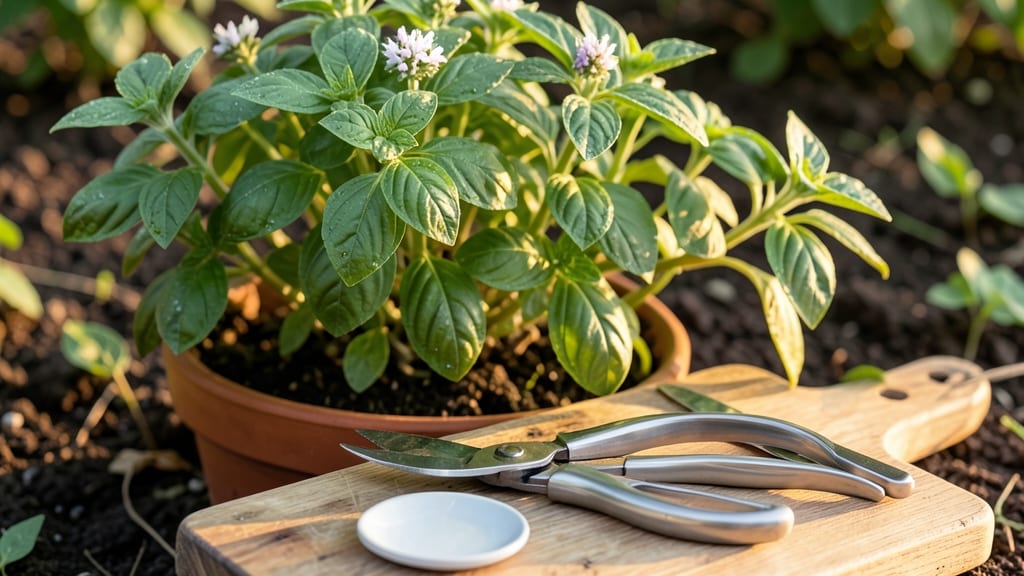
Harvesting basil the proper way keeps your plants productive and your leaves bursting with flavor—here’s how to do it without turning your herb into bitter stems.
Did you know that harvesting basil incorrectly can turn your fragrant herb into bitter, woody stems? Mastering the proper way to harvest basil ensures a steady supply of flavorful leaves while keeping your plant thriving—here’s how to do it right.
The key is timing, technique, and knowing when to stop before you start.
Start by harvesting basil in the morning when the leaves are at their freshest and most aromatic. Use clean, sharp pruners or your fingers to pinch off leaves just above a leaf node—this encourages new growth and keeps your plant bushy.
Avoid cutting into the woody stem, as this can weaken the plant and reduce future harvests.
After harvesting, store your basil properly to maintain its freshness. Wrap stems loosely in a damp paper towel and place them in a plastic bag in the fridge, or use it immediately in recipes. With these simple steps, you’ll enjoy a continuous supply of vibrant, flavorful basil all season long.


When and how to harvest basil for maximum flavor
Harvesting basil at the right time transforms your garden into a flavor factory. The key is patience—wait until your plant has 6-8 pairs of leaves and reaches 4-6 inches tall. This ensures the stems are sturdy but not woody, guaranteeing the best taste.
I always check for dark green, aromatic leaves before grabbing my pruners, because once basil flowers, its flavor declines rapidly.
Timing matters too. Early morning is ideal because the leaves are hydrated and packed with essential oils, making them most fragrant. Avoid harvesting after rain or late in the day when moisture levels drop.
The snap-and-sniff test is my secret weapon: pinch a leaf stem between your fingers—if it snaps cleanly with a satisfying crack and releases a strong basil scent, it’s ready for harvest.
Many gardeners make the mistake of cutting basil stems too low or harvesting too aggressively. Never remove more than 1/3 of the plant at once, or you’ll shock the basil and stunt its growth.
I’ve seen beginners strip entire stems down to the base, leaving the plant looking sad and woody. Instead, think of harvesting as a haircut for your herb—trim strategically to encourage fuller regrowth.
For container-grown basil, the same rules apply, but monitor soil moisture more closely. Pots dry out faster, and stressed plants produce bitter-tasting leaves. If your basil starts to taste off, check for yellowing leaves or leggy stems—these are red flags that it’s time to adjust your care routine.
A little extra water and a move to a sunnier spot can often revive a struggling plant.
Pro tip: If your basil flowers, don’t despair! Simply prune the flowers and focus on harvesting the remaining leaves. The plant may not be as productive, but you’ll still get some flavorful harvests before it bolts.
For next season, try Genovese or Thai basil varieties, which are slower to flower and offer superior taste.
Remember, the snap-and-sniff test is your best friend. If a stem snaps easily and smells like fresh basil, it’s harvest-ready. If it bends without snapping or smells dull, wait a few more days.
This simple trick saves me from harvesting bitter leaves and keeps my basil tasting like it just came from a gourmet garden.
With these techniques, you’ll enjoy a continuous harvest of fragrant basil all season long. Happy harvesting—your taste buds (and your plants) will thank you!
Best practices for basil regrowth after harvesting
After harvesting your basil, proper regrowth techniques ensure a continuous supply of flavorful leaves. The key is pruning correctly to stimulate new growth while avoiding stress. I’ve learned that bushier plants produce more leaves, but only if you cut in the right places.
Start by removing flower buds immediately—they signal the end of your basil’s productive life. These buds drain energy from leaf production, turning your plant into a woody stalk instead of a leafy powerhouse. I always check my plants weekly during peak growing months to catch any sneaky buds early.
Here’s the secret to encouraging regrowth: always cut just above a leaf node (where leaves meet the stem). This forces the plant to branch out from that spot, creating more leafy stems. Use clean, sharp pruning shears or even your fingers for smaller cuts—just avoid tearing the stems.
🌿 Key Takeaway: Proper Way to Harvest Basil
📌 Step 1: Harvest in the morning after dew dries but before midday heat (oil content peaks then).
📌 Step 2: Pinch or cut just above leaf nodes using clean pruners or fingers.
📌 Step 3: Remove flower buds immediately to prevent bitter stems.
📌 Step 4: Harvest 1/3 of plant max—never take more than 30% at once.
🌱 Indoor Tip: Use grow lights for 12-14 hours/day to maintain growth between harvests.
☀️ Outdoor Tip: Space harvests 2-3 weeks apart during peak summer.
For container-grown basil, I’ve found that harvesting every 2-3 weeks during summer keeps plants compact and productive. Outdoor plants in full sun can handle slightly more frequent harvesting—every 10-14 days—because they recover faster.
The rule of thumb is: never take more than 1/3 of the plant at once, or you’ll shock it into dormancy.
Seasonal adjustments matter too. In fall, when days shorten, basil grows slower. I reduce harvesting frequency to every 3-4 weeks and focus on pruning for shape rather than yield. Indoor basil, however, stays on a consistent schedule since light conditions don’t change as dramatically.
After each harvest, give your basil a light fertilizer boost with a balanced 10-10-10 mix diluted to half strength. This replaces nutrients lost during harvesting. I always water deeply afterward to help roots recover—consistent moisture is critical for regrowth, especially in hot climates where basil can wilt quickly.
With these techniques, my basil plants have thrived for months beyond their typical 60-day harvest window. The secret?
Treat harvesting as an ongoing conversation with your plant—listen to its growth cues, respond with precise cuts, and watch it reward you with lush, aromatic leaves all season long. 🌱