
Picking
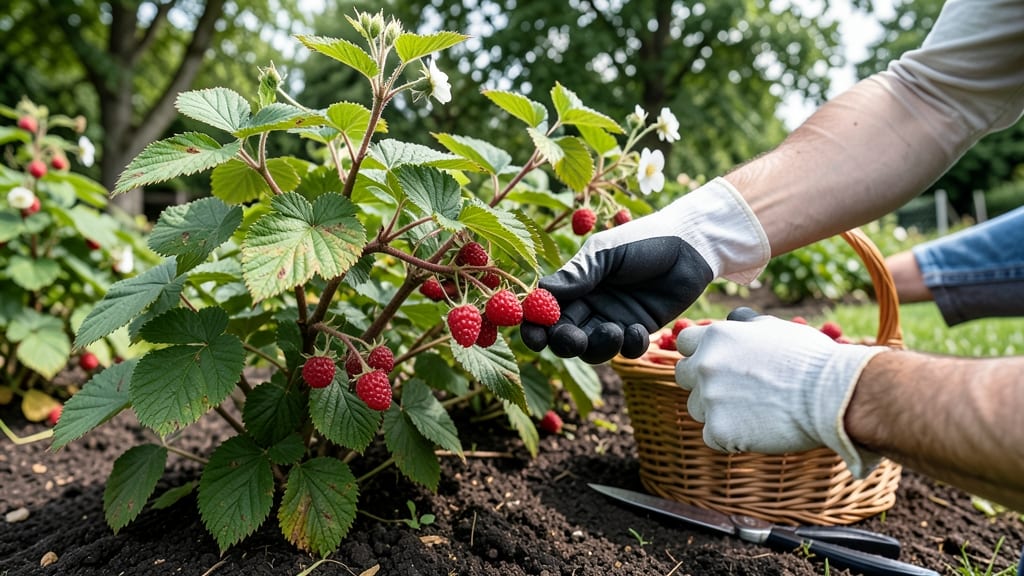
Harvesting raspberries at the right time during their season turns a handful of berries into a bounty of sweet, juicy 🍇 treats.
Timing your raspberry harvest perfectly can mean the difference between juicy, sweet berries and tart, mushy waste—here’s how to nail it every season.
In USDA Zone 6a, your best bet is late June through September, but climate and variety play a huge role. A late spring frost or an early heatwave can shift that window by weeks.
Below, I’ll break down the exact signs your berries are ready, how to avoid common mistakes that waste your crop, and the best ways to preserve that harvest before it’s gone.


Raspberry harvest season timeline: month-by-month picking guide by climate zone
Timing your raspberry harvest is an art that balances ripeness, climate, and variety. Whether you grow floricane types (summer-bearing) or primocane types (fall-bearing), knowing the right month to pick ensures sweet, juicy berries.
Regional differences—like the Pacific Northwest’s cooler summers or the Southeast’s extended heat—shift harvest windows dramatically. Let’s break it down by USDA zones so you can plan ahead.
First, understand the two main raspberry types: floricane varieties produce fruit on second-year canes (summer harvest), while primocane varieties fruit on current-year canes (fall harvest). For example, Boyne (floricane) ripens in July-August, while Heritage (primocane) ripens in September-October. Your climate zone and microclimate will further refine these timelines.
Here’s a month-by-month guide tailored to USDA zones 3-10, with regional adjustments for the Pacific Northwest and Southeast. Use this as your roadmap to avoid underripe or overripe berries.
📌 Key Tip: Always pick raspberries in the morning when they’re cool and firm. Avoid harvesting after rain or in direct sunlight, as berries bruise easily.
How to test raspberry ripeness: 5 signs your berries are perfectly sweet (and ready to pick)
Picking raspberries at the perfect ripeness ensures the sweetest flavor and prevents waste. Overripe berries turn mushy, while underripe ones stay tart and bitter. The key is knowing the visual, tactile, and taste cues that signal peak ripeness.
I’ve harvested raspberries for years, and these 5 simple tests have saved me from throwing away tons of berries. Whether you’re growing red, black, or golden raspberries, these signs apply to all varieties. Let’s dive into the details so you never miss the window again.
- 1.
- 2.
- 3.
- 4.
- 5.
Pro tip: Harvest in the morning when berries are coolest and sweetest. Use a pair of clean scissors or pruners to snip the stems, leaving a tiny bit attached to extend shelf life.
If you miss the window, store raspberries in the fridge for up to 3 days or freeze them immediately. Overripe berries can still be used for jams or smoothies, but they won’t be as flavorful fresh.
Now that you know the signs, you’ll never second-guess when to pick again. Happy harvesting! 🍇🌱