
Vegetables
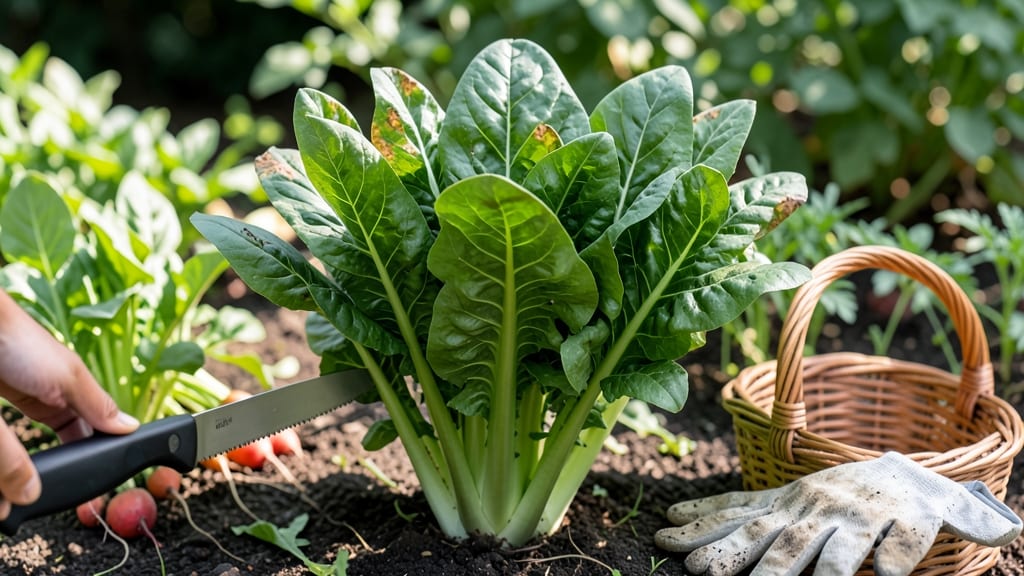
Harvesting romaine lettuce at the right time ensures those crisp, tender leaves you’ve been dreaming about 🥬 — and waiting too long turns them bitter or tough.
Picture this: you’ve nurtured your romaine for weeks, only to pull it too early and end up with tiny, underdeveloped leaves, or too late and find it bolted or woody.
The sweet spot? Between 28 and 60 days after planting, depending on your climate and whether you’re growing baby leaves or full heads.
But how do you know for sure? It’s not just about days—it’s about leaf size, color, and texture. A mature romaine should stand tall at 6-8 inches, with deep green, crisp leaves and a firm stem. Miss these cues, and you’ll miss the harvest window entirely.
In this guide, I’ll walk you through the exact signs to watch for, seasonal adjustments for your zone, and even a trick to extend your harvest so you get more salads all season long.

Romaine lettuce harvest time: days after planting for optimal crispness
Timing your romaine lettuce harvest is everything—pick too early, and you’ll sacrifice flavor and texture; wait too long, and you risk bolting or bitter leaves. The exact days depend on your planting method, but understanding these windows helps you plan for a steady supply of crisp, flavorful greens.
For direct-sown romaine, most varieties reach harvest readiness in 45-60 days after planting. If you’re transplanting young seedlings, expect to harvest in 35-50 days, since they’ve already got a head start. These timeframes assume moderate temperatures (50-75°F) and consistent moisture.
Cooler temperatures actually slow growth slightly, extending harvest times by 5-10 days, while hotter weather (above 80°F) can speed things up—sometimes by 10-15 days—but risks bolting. Adjust your expectations based on your local climate and season.
Romaine lettuce is versatile at harvest: you can pull the whole head when fully mature or start harvesting baby leaves as early as 28-35 days for tender, delicate greens. This staggered approach maximizes yield and keeps your garden productive.
| Planting Method | Baby Leaves | Full Head | Temperature Adjustment |
|---|---|---|---|
| Direct Sowing | 28-35 days | 45-60 days | +5-10 days (cool), -10-15 days (hot) |
| Transplanting | 21-28 days | 35-50 days | +3-7 days (cool), -7-12 days (hot) |
| Container Growing | 25-30 days | 40-55 days | +7-12 days (cool), -12-18 days (hot) |
Spring-planted romaine often matures faster due to cooler soil temperatures, while fall crops may take slightly longer as days shorten. In USDA Zone 6a, for example, spring harvests typically align with May-June, while fall harvests stretch into September-October before frost.
If you’re growing romaine in containers, expect harvest times to be slightly shorter—especially in 5-gallon pots—because the roots have less space to establish. However, container-grown lettuce often bolts faster in heat, so monitor closely during summer months.
For baby romaine, aim for leaves about 2-3 inches long and harvest by snipping individual leaves with clean scissors. This method lets you enjoy greens every 7-10 days without sacrificing future growth. Save full-head harvesting for when the plant reaches 6-8 inches tall.
Pro tip: Thin seedlings to 12-18 inches apart when they’re 2-3 inches tall. This reduces competition and ensures each plant has enough space to develop crisp, flavorful heads. Skipping this step often leads to smaller, less flavorful lettuce.
Watch for bolting signs (tall stems, yellowing leaves) as your lettuce approaches maturity. If temperatures rise above 80°F, harvest promptly or provide afternoon shade to delay bolting. In cooler climates, you might even get a second harvest if you plant succession crops every 2-3 weeks.
Once harvested, store romaine in the fridge for up to 10 days by wrapping it in a damp paper towel. For longer storage, blanch and freeze the leaves—this preserves crispness for up to 8 months. Happy harvesting! 🥬
How to tell when romaine lettuce is ready to harvest (visual & texture guide)
Romaine lettuce reaches its peak flavor and texture when harvested at the right stage—not too early (when leaves are tiny and underdeveloped) and not too late (when stems turn woody and leaves bitter).
The key is checking three simple visual and tactile cues: leaf size, color consistency, and stem firmness. I’ve learned the hard way that ignoring these signs leads to either sad, wilted baby leaves or tough, unpalatable heads.
Start by examining the height of your romaine. Mature heads typically stand between 6 and 8 inches tall, with leaves fully elongated and forming a tight, upright rosette. If your plants are still shorter than a standard dinner plate, they need more time.
Conversely, if the leaves start flopping over or the center stem becomes thick and hollow, you’ve waited too long. The ideal harvest window balances these visual cues with the right crisp texture.
🚨 callout warning
- Harvesting in heat: Romaine bolts (sends up a flower stalk) when temps exceed 75°F (24°C). Watch for yellowing leaves or bitter taste—signs it’s too late.
- Pulling by the roots: Always cut stems 1 inch above soil to encourage regrowth. Twisting or yanking damages the plant.
- Ignoring leaf color: Pale or yellowing leaves mean nutrient deficiency or over-maturity. Deep green is your target!
Next, focus on the leaf color and texture. Ready-to-harvest romaine boasts deep, vibrant green leaves with no yellowing or browning. Run your fingers along the edges—they should feel crisp and firm, not soft or mushy.
If leaves tear easily or feel rubbery, the plant is overripe. For baby romaine, you can harvest when leaves reach 3-4 inches long, but full heads need that 6-8 inch height for maximum yield.
Don’t overlook the stem condition, which reveals the plant’s maturity. A firm, upright stem (about the thickness of a pencil) signals readiness. If the stem feels hollow or woody, the lettuce has passed its prime.
Gently squeeze the base—it should give slightly but not collapse. This tactile test is your final check before harvesting. For container-grown romaine, stems may be slightly thinner, but the same firmness rule applies.
Seasonal adjustments matter too! In cooler climates (Zones 3-5), romaine may take 50-60 days to mature, while warmer zones (6-10) can harvest in as few as 28-35 days if planted in fall or spring.
Always account for your last frost date: aim to harvest before bolting (flower stalk emergence) or heat stress sets in. If your plants start sending up tall stems, they’ve bolted—time to harvest immediately or enjoy the bitter leaves in salads.
Once you’ve confirmed all signs, harvest with a sharp knife or clean scissors, cutting stems 1 inch above soil level. Leave the outer leaves for the cut-and-come-again method to extend your harvest by 2-3 weeks.
Store harvested romaine in a plastic bag with a paper towel in the fridge for up to 7 days, or enjoy it fresh in salads, wraps, or sandwiches the same day for peak flavor.