
Vegetables
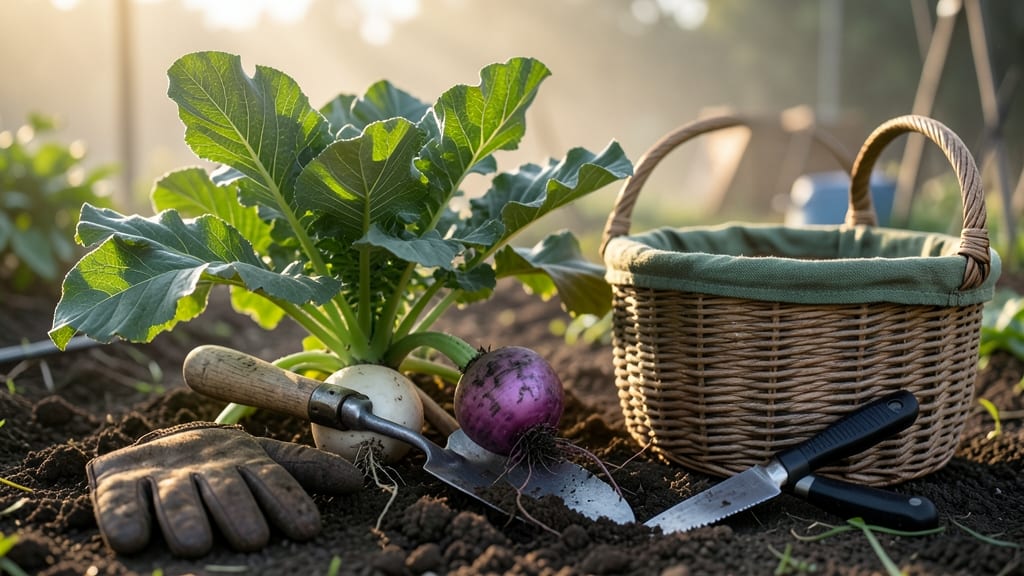
Harvesting turnips at the right time ensures you get sweet, tender roots instead of tough, bitter ones 🥬 — and timing it wrong can turn your garden bounty into a disappointment.
If you’ve ever pulled a turnip only to find it woody or shriveled, you know how quickly flavor fades once the window closes. The key is watching for root size, leaf color, and soil conditions, all of which shift between spring and fall crops.
In Zone 6a, spring turnips are ready by late May to June, while fall varieties peak in October to November. But don’t wait until the leaves yellow—dig when roots hit 1-2 inches in diameter for the best balance of texture and sweetness.
Once you’ve mastered the harvest, I’ll show you how to store them for weeks (or even months) and put those crisp roots to use in everything from roasted sides to fermented dishes.

Ideal turnip harvest time: when to dig for peak flavor and size
Timing your turnip harvest perfectly transforms your garden's hard work into a sweet, crisp reward instead of tough, bitter roots. Turnips mature quickly—typically between 30 to 70 days—but the ideal harvest window depends on whether you're growing them for tender greens or storage roots.
Missing this window means sacrificing flavor and texture, so let's dive into the science-backed cues to know exactly when to dig.
Turnips thrive in cool-season climates (USDA zones 3-10), making them perfect for spring and fall harvests.
In my experience, spring turnips planted in early spring reach harvest by late May to June, while fall turnips planted in late summer yield in October to November. Soil temperatures below 75°F (24°C) are ideal for sweetest roots, so avoid harvesting during summer heat waves unless you're prioritizing greens over roots.
Turnip varieties also play a key role in harvest timing. Tokyo Cross or Hakurei turnips mature in 30-40 days and are best harvested young for mild, sweet roots. Meanwhile, Purple Top White Globe takes 50-60 days and stores better when left slightly larger. Always check the seed packet for variety-specific guidance, as this can vary by 10-20 days.
| Factor | Spring Turnips | Fall Turnips | Key Cues |
|---|---|---|---|
| Time to Maturity | 30-60 days | 45-70 days | Check seed packet |
| Ideal Root Size | 1-2 inches | 2-3 inches | Firm, smooth texture |
| Leaf Height | 4-6 inches | 6-8 inches | Deep green color |
| Soil Temp | 50-70°F | 55-65°F | Below 75°F for sweetness |
| Harvest Window | Late May-June | October-November | Before bolting |
For turnip greens, harvest when leaves reach 4-6 inches tall—this is typically 30-40 days after planting. Use sharp scissors to cut leaves 1 inch above the base, leaving the root intact so it keeps producing.
This method lets you enjoy multiple harvests from a single plant, though the roots will eventually become woody and inedible if left too long.
When harvesting for roots, size matters most. Aim for 1-2 inches in diameter for fresh eating or 2-3 inches if storing long-term. Overgrown roots (larger than 3 inches) become pithy and bitter, so regular checks are key.
Gently grasp the leafy tops and wiggle the root to test readiness—it should pop free easily from the soil when mature.
Watch for visual cues like yellowing outer leaves or cracked soil around the roots, which signal maturity. Never harvest after a hard frost, as this causes roots to split or rot.
In my garden, I mark turnip rows with color-coded flags to track progress—green flags for young plants and red flags when roots are ready. This simple system prevents over-maturing and ensures a steady supply.
If you're growing turnips for both greens and roots, prioritize harvesting the greens first when they reach 4 inches tall. This gives the roots more time to develop without competing for energy.
However, be prepared to harvest all greens once roots reach 1 inch in diameter, as leaving them too long will stunt root growth and reduce yield.
One common mistake I see is waiting too long for "bigger is better" roots. While larger turnips store longer, they often lose flavor and texture. Smaller, younger roots (1-2 inches) are sweeter and more tender, making them ideal for raw salads or quick cooking. For storage, slightly larger roots (2-3 inches) hold
How to harvest turnips correctly: tools, techniques, and mistakes to avoid
Harvesting turnips at the right moment ensures sweet, crisp roots and nutritious greens. The key lies in timing, tools, and handling—each step impacts flavor and storage life. Whether you're growing spring varieties or winter-hardy types, follow these steps to avoid common pitfalls that turn your harvest into disappointment.
Start by using the right tools: a sharp garden fork or hand trowel works best for digging without damaging roots. Avoid pulling turnips by the leaves, as this can snap the root or leave it uneven.
Instead, loosen the soil around the base first—this minimizes stress on the plant and keeps your turnips intact for longer storage.
⚠️ callout warning
- Overgrown roots become woody and pithy, losing sweetness.
- Yellowing leaves signal maturity—but don’t wait until they bolt.
- Frost damage ruins storage potential; harvest before 28°F.
Pro tip: Check roots weekly after 45 days for ideal size (1-2 inches).
Once you’ve loosened the soil, gently lift turnips with your fingers or tool. Shake off excess dirt and inspect for damage—any cuts or bruises will shorten storage life.
For greens-only harvests, snip leaves 1-2 inches above the root to encourage regrowth. If keeping the root, trim leaves to 1 inch to reduce moisture loss.
After harvesting, cure turnips for 1-2 hours in a shady, dry spot to toughen the skin. This step prevents rot during storage. Avoid washing roots until ready to use—moisture speeds up spoilage. Store turnips in a cool, humid environment (40-50°F) with high airflow to maintain freshness for weeks.
Common mistakes include harvesting in wet soil (which clings to roots) or storing with ethylene-producing veggies like apples. Always keep turnips separate and check for soft spots weekly. If stored properly, your turnips can last 2-3 months—far longer than if mishandled.
For long-term storage, wrap roots in paper towels or place in sand-filled containers to absorb excess moisture. Label containers with the harvest date to track freshness. With these techniques, you’ll enjoy homegrown turnips all winter long—no bitterness in sight!