
Vegetables
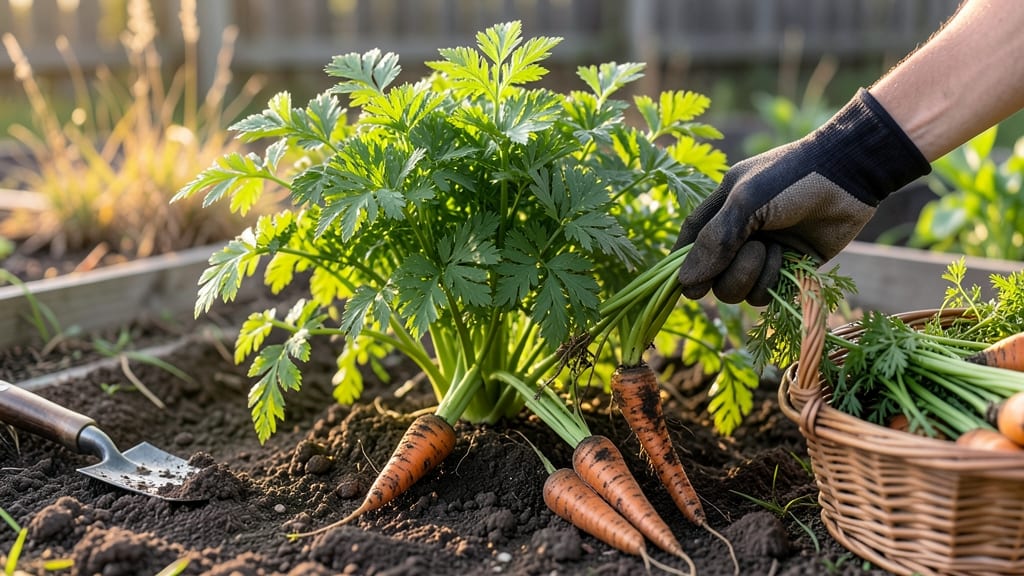
Harvesting carrots planted in spring at the right time means the difference between a sweet, crisp 🥕 and a tough, bitter root.
Picture this: you’ve nurtured your garden all season, and now those orange treasures are begging to be pulled—but how do you know if they’re ready? Too soon, and you’ll miss peak flavor; too late, and they’ll turn woody or split.
The secret lies in a mix of soil checks, leaf size, and root diameter, plus knowing when seasonal shifts demand action.
Most spring-planted carrots reach harvest readiness around 70 days, but that timeline shifts with your zone, soil type, and even daily temperatures.
A quick tug test or peeking at the soil can tell you if it’s time to grab your basket—or wait just a little longer for that perfect crunch.
Below, I’ll walk you through the exact cues to watch for, from vibrant greens to firm roots, plus how to adjust for early summer heat or late-season cool snaps. No more guessing—just crisp, flavorful carrots straight from your garden.


Signs your spring-planted carrots are ready for harvest (soil & plant tests)
Knowing when to harvest your spring-planted carrots ensures you get the perfect balance of sweetness and crunch. Unlike many vegetables, carrots don’t give obvious external signals like fruit ripening. Instead, you’ll need to check root size, foliage health, and even the soil conditions to determine readiness.
The ideal harvest window typically falls between 70-85 days after planting, but exact timing depends on your specific variety.
Start by testing the soil moisture and root resistance. Well-drained soil that’s slightly damp (not soggy) is ideal. Gently tug on a few plants—if the carrot slips free with minimal resistance, it’s ready.
If it feels firmly anchored, give it another week or two. This simple tug test prevents overgrowth, which can lead to woodiness or split roots.
| Harvest Readiness Factor | Ideal Carrot | Overgrown Carrot |
|---|---|---|
| Root Diameter | 3/4" to 1.5" | 2"+ (often woody) |
| Foliage Height | 6" to 12" | 12"+ (bolting risk) |
| Skin Thickness | Thick, resists fingernail | Thin, pierces easily |
| Color Uniformity | Deep, consistent hue | Pale or patchy |
| Soil Resistance | Pulls out easily | Stays anchored |
Pay close attention to the foliage color and size—vibrant green leaves indicate healthy growth, while pale or yellowing leaves suggest nutrient deficiencies or overmaturity.
For varieties like Nantes or Danvers, aim for 6-12 inch tall tops, while shorter varieties like Paris Market will mature with just 4-6 inch foliage. The leaf shape also matters: broad, healthy leaves signal readiness, while narrow or curled leaves may indicate stress.
Don’t overlook the skin color—it’s a key indicator of sweetness. Deep orange, purple, or yellow hues mean your carrots are fully developed. If the skin is still pale or patchy, they need more time in the ground.
For purple varieties, the color should be uniform and vibrant, while orange types should have a rich, golden tone. A quick fingernail test works too: press gently—if the skin resists, it’s ready.
For baby carrots, harvest when roots reach 3/4 inch in diameter, typically around 50 days. These smaller carrots are sweeter and more tender, perfect for salads or quick cooking. If you’re growing standard varieties, wait until they’re 1.5-2 inches thick.
Overgrown carrots often develop a hard, woody core, making them less enjoyable to eat. To avoid this, check your carrots every 5-7 days once they near maturity.
Seasonal timing also plays a role—harvesting in late spring or early summer (June-July) often yields the sweetest carrots. Cooler soil temperatures in early spring can slow growth, while hot summer weather may cause bolting (flowering) if days get too long.
If your carrots start sending up flower stalks, harvest immediately, as the roots will become bitter and tough. This is especially common in short-day varieties planted too late in the season.
Pro tip: Use a soil probe or even a butter knife to check root depth without digging up the entire plant. Insert the tool gently beside the foliage—if you hit resistance at 6-8 inches, your carrots are likely ready.
This method minimizes disturbance to nearby plants and prevents accidentally harvesting too early. For container-grown carrots, check roots by gently tipping the pot to see if they’ve filled the space.
If you’re unsure, harvest a test batch of 3-4 carrots to sample. Cook them immediately to check for sweetness and texture. If they’re still slightly underdeveloped, return the rest to the soil for another 7-10 days.
Remember, carrots continue to sweeten slightly after harvest, so don’t rush the process. The goal is to balance size, flavor, and texture for the best possible harvest.
Once you’ve confirmed readiness, harvest on a cool morning after watering the soil lightly. This makes the carrots easier to pull and preserves their freshness. Store them in a cool, dark place (like a root cellar) for up to 3 weeks, or enjoy them fresh for the best flavor.
With these simple checks, you’ll never guess when to harvest again—just follow the soil and the plants! 🥕
Best time of day and season to harvest spring carrots for maximum flavor
Timing your spring carrot harvest isn’t just about pulling roots from the soil—it’s about capturing peak flavor and texture. Carrots planted in March or April reach their sweetest point when temperatures hover between 60°F and 75°F, typically between June and early September.
Morning harvests preserve crispness, while evening picks risk softer, less flavorful roots due to overnight moisture buildup.
Seasonal shifts matter too. June harvests often yield sweeter carrots because cooler spring soils slow growth, concentrating sugars. By August or September, heat can make them woody if left too long.
I’ve found that late June to early July is my sweet spot for Nantes or Paris Market varieties, but always check your local last frost date—carrots can’t handle freezing.
For maximum sweetness, I always harvest in the early morning when dew has evaporated but the soil is still cool. This prevents the roots from absorbing too much moisture, which can dilute flavor.
If you’re growing heirloom varieties like Purple Haze, aim for July harvests—they develop deeper colors in cooler weather, boosting their natural sugars.
Watch for seasonal temperature shifts too. Carrots grown in hotter months (August-September) may taste slightly bitter if the soil dries out. I’ve learned to mulch heavily in late summer to keep roots cool and hydrated.
If your area experiences early fall frosts, harvest all remaining carrots by October 1st to avoid splitting or rot.
Pro tip: Test a sample carrot by pulling one gently from the soil. If it resists slightly but comes out cleanly with a thick, vibrant root, it’s ready. If the skin is thin or the root snaps easily, wait 1-2 weeks.
Overlooking this step is how I once ended up with a batch of woody, flavorless carrots—a mistake I won’t repeat!
Plan your harvest around moon phases too. Carrots grown under a waxing moon tend to be sweeter, while those harvested during a waning moon may store longer. Pair this with your seasonal timing, and you’ll have the perfect balance of flavor, texture, and freshness every time. 🥕