
Featured
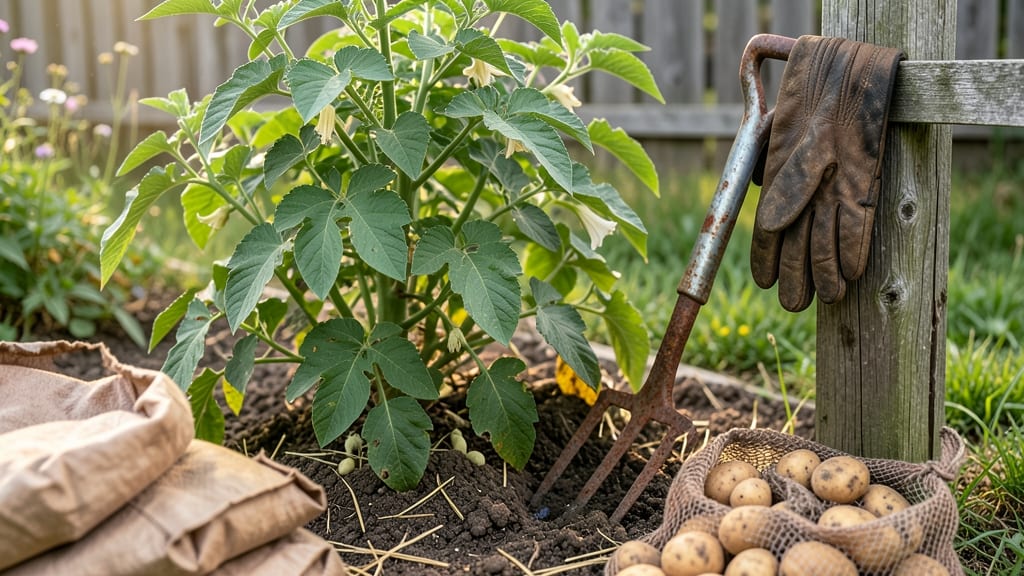
Harvesting potatoes at the right time ensures you get those crisp, flavorful tubers instead of mealy, disappointing spuds—so knowing when to dig is everything.
Picture this: you’ve spent weeks tending to your 🥔 patch, and now the foliage is yellowing and dying back. That’s your cue—but dig too early, and you’ll miss out on full flavor and storage potential. Miss it, and you risk rotting tubers underground.
In Zone 6a, most varieties are ready 70–120 days after planting, typically between late summer and early fall. But timing isn’t just about days—it’s about visual cues like dried stems, firm skin, and soil conditions.
Below, I’ll walk you through the exact signs to watch for, how to harvest without damaging your crop, and the best way to store them for months. No more guesswork—just perfect potatoes every time.


How to tell when potatoes are ready to harvest by foliage & soil signals
Harvesting potatoes at the right time ensures flavorful, firm tubers that store well.
The key is watching for foliage signals and checking soil conditions—both tell you when your spuds are mature and ready to dig. Early harvests give small new potatoes, while waiting too long risks shriveling or rot in storage.
Most potato varieties take 70–120 days to reach harvest maturity, but timing depends on your climate and variety. Early varieties like Red Pontiac may be ready in 60–70 days, while russets like Idaho Russet need closer to 100–120 days.
Pay attention to foliage changes and soil conditions for the best results.
Here’s a quick reference for visual and tactile cues to harvest potatoes at peak maturity:
| Signal Type | Indicator | Action | Best For |
|---|---|---|---|
| Foliage | Yellowing leaves | Wait 1–2 weeks | Storage potatoes |
| Dried, brown stems | Harvest immediately | All varieties | |
| Soil | Dry topsoil | Dig carefully | Prevent skinning |
| Tuber Size | 2–3" diameter | Harvest for storage | Long-term use |
| Skin Firmness | No bruising when touched | Dig immediately | Fresh eating |
Start by checking your potato plant foliage. When the leaves turn yellow and die back, it’s a strong sign that the tubers below are maturing. For storage potatoes, wait an extra 1–2 weeks after foliage death to ensure full maturity.
This gives tubers time to thicken their skins, which improves storage life.
Next, test the soil moisture around your plants. If the top 2–3 inches of soil feel dry, it’s a good time to harvest. Wet soil can cause tubers to skin or bruise during digging, so avoid harvesting after heavy rain.
A dry soil signal also means the tubers have stopped growing, locking in their flavor and texture.
For a final check, gently probe the soil with your fingers or a trowel. If you find tubers that are 2–3 inches in diameter and feel firm but not hard, they’re ready.
Smaller tubers (1 inch or less) are best used as new potatoes for quick cooking. Larger tubers with thick, rough skins store best for months.
One common mistake is harvesting when the foliage is still green. This often happens with early varieties or in warm climates. Green stems mean the tubers may still be growing, and they’ll likely sprout or rot in storage. Always wait until the plants have fully died back before digging.
If you’re growing second-crop potatoes in warm regions, harvest when the tubers reach your desired size, even if the foliage isn’t fully dead. These potatoes are often planted later in the season and may not have time to fully mature before frost.
In cooler climates, aim to harvest before the first frost, as freezing temperatures damage tubers.
Pro tip: For new potatoes, harvest when the tubers are 1–2 inches in diameter and the plants are still flowering. These smaller potatoes are tender and perfect for roasting or boiling. For storage potatoes, wait until the foliage has completely died back and the soil is dry.
Remember, the earlier you harvest, the smaller your potatoes will be. But harvesting too late can lead to shriveled, mealy tubers that spoil quickly. Pay attention to both foliage and soil signals to get the perfect harvest every time. 🌱
Best harvest methods for new vs. second-crop potatoes (with common mistakes to avoid)
Harvesting potatoes at the right time ensures flavorful, storable tubers—but the method changes depending on whether you're growing new potatoes (early harvest) or second-crop potatoes (full season).
New potatoes are ready in 50–70 days and need gentle handling, while second crops mature in 90–120 days and require a more thorough dig. Understanding these differences prevents wasted effort and spoiled harvests.
For new potatoes, dig when tubers are 1–2 inches in diameter and the plant's foliage shows early yellowing.
This early harvest lets you enjoy tender spuds while still allowing the plant to produce more tubers if left in the ground. Second-crop potatoes, however, need full maturity—wait until the foliage completely dies back and the skin is thick and papery before digging.
⚠️ Critical Mistake: Overwatering Before Harvest
Waterlogged soil causes skinning and bruising during harvest. Stop watering 1–2 weeks before digging to let tubers toughen up. This is especially true for second-crop potatoes, where overhydration leads to rot and poor storage life. New potatoes are less sensitive but still benefit from slightly drier soil.
To harvest new potatoes, use your hands or a small garden fork to gently loosen soil around the plant. Avoid deep digging—tubers are shallow at this stage.
For second-crop potatoes, use a broadfork or spading fork to lift the entire plant, as tubers may grow 12+ inches deep. Always dig on a dry, sunny day to prevent soil from sticking and causing damage.
One common mistake is harvesting too early, which results in small, underdeveloped tubers with thin skins. Another is waiting too long, especially in cool climates, where tubers may sprout in the ground or become woody.
Pay attention to your local frost dates—if frost is imminent, harvest second crops immediately, even if foliage isn’t fully dead.
After harvesting, let tubers cure in the sun for 1–2 hours to toughen their skins. Store them in a cool, dark place (45–50°F) with high humidity to prevent shrinking. New potatoes store for 1–2 weeks, while second-crop potatoes last 2–4 months if kept properly.
Avoid washing tubers until you’re ready to use them!
Pro tip: If you’re unsure about maturity, dig up one plant as a test. Check the size and skin thickness of the tubers—this gives you a clear signal for the rest of your crop. With the right timing and technique, you’ll enjoy a bountiful, high-quality harvest every season. 🌱