
Pests and Diseases
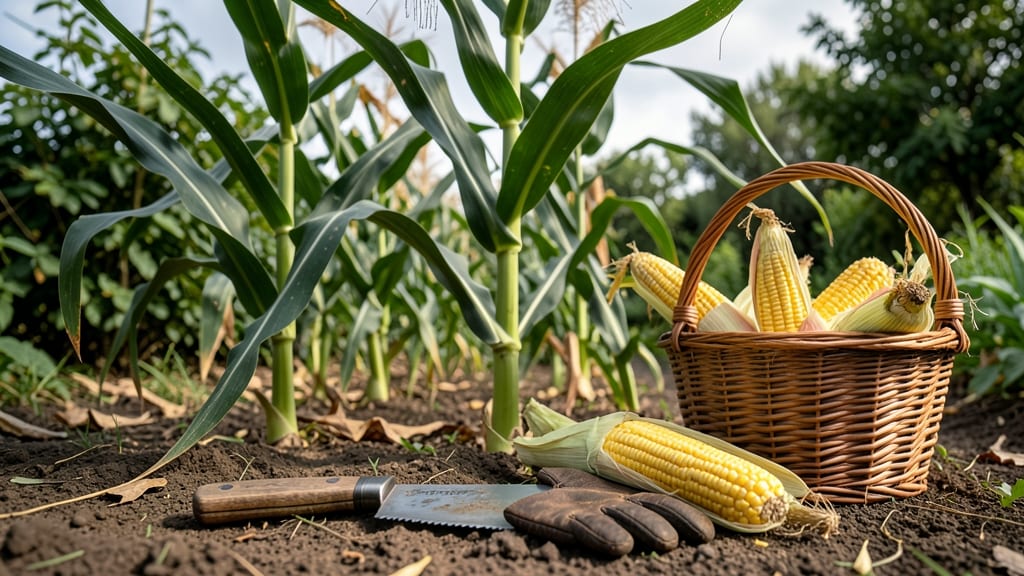
Harvest time for corn arrives when silks turn brown and kernels reach that perfect milky stage—a window that lasts just 2-3 days before the ears toughen up.
Picture this: you’ve nurtured your 🌽 plants all season, and now the moment of truth is here. One day too early, and the kernels taste bland; one day late, and they’re as tough as overcooked pasta.
The good news? There’s a simple way to tell when your corn is ready to pick at its sweetest.
Most gardeners in USDA Zone 6a can expect harvest time between late August and October, but heat waves and cool snaps can shift that window. The key is watching for three visual cues: dried silks, plump kernels, and a heavy ear that feels full in your hand.
Below, I’ll walk you through how to test kernel readiness with a fingernail, why silk color matters, and how to adjust for your local climate—so you never miss that golden harvest window again.

How to determine corn harvest time by silk color and kernel development
Timing your corn harvest perfectly ensures sweet, tender kernels bursting with flavor. The key lies in observing two primary indicators: the silk color and kernel development. When these signals align, you’ve hit the sweet spot for picking.
For most sweet corn varieties, this typically occurs 75–120 days after planting, but visual cues are far more reliable than days alone.
First, focus on the silks—those thread-like strands emerging from the top of each ear. Initially bright green and moist, they gradually turn brown and crispy as pollen dries. This color shift signals the plant is nearing maturity.
However, don’t wait until silks are completely dry; that’s a sign the kernels may start converting starches into sugars, leading to starchy, less sweet corn.
Comparison Table: Silk Color and Kernel Readiness
| Silk Condition | Kernel Stage | Harvest Readiness | Action |
|---|---|---|---|
| Green and moist | Hard, translucent | Not ready | Wait 3–5 more days |
| Greenish-brown, slightly dry | Plump, milky white when pierced | Ideal harvest time | Pick immediately |
| Completely brown and brittle | Starchy, yellowish | Overripe | Best for freezing or canning |
Next, perform the kernel milk-stage test, a foolproof method to confirm ripeness. Gently pierce a kernel with your fingernail. If a milky white liquid oozes out, the corn is at peak sweetness. This stage occurs when kernels are plump and firm but not yet hard.
If the liquid is clear or watery, the corn needs more time; if it’s yellowish or pasty, it’s overripe and starchy.
Pay attention to the ear’s physical characteristics too. A fully mature ear feels heavy for its size and the husks should be tight but not overly dry. The leaves surrounding the ear may also start to yellow and dry out, another sign it’s time to harvest.
However, avoid waiting until the husks split open or the kernels turn yellow—this indicates the corn has passed its prime.
For super-sweet varieties like ‘Silver Queen’ or ‘Peaches and Cream,’ harvest slightly earlier than standard sweet corn. These hybrids convert sugars to starches more quickly, so aim for greenish-brown silks and a milky kernel to preserve their signature sweetness.
Always harvest in the morning after dew has dried to ensure the highest quality.
Regional climate plays a role too. In hot, dry climates, corn may mature faster, while cooler, wetter regions can slow the process. Adjust your harvest window by monitoring both silk color and kernel development rather than relying solely on days after planting.
For example, in USDA Zone 6a, expect harvests between late August and early October, but always prioritize visual cues over calendar dates.
Pro tip: If you’re unsure, pick a few ears a day apart and taste-test the kernels. This hands-on approach helps you calibrate your timing for future harvests. Store freshly picked corn in the refrigerator for up to a week or freeze immediately to lock in sweetness.
With these methods, you’ll never miss the perfect moment to harvest corn at its peak!
🌽💧✅
Best practices for testing corn kernel ripeness and avoiding common harvest mistakes
Harvesting corn at the right moment ensures peak sweetness and tender texture. The kernel milk-stage test is my go-to method for determining ripeness—it’s simple and foolproof. Start by selecting ears where the silks have turned brown and dried out completely.
This usually happens about 20-25 days after pollination, depending on your variety and climate.
Next, I pierce a kernel with my fingernail near the center of the ear. If a milky white liquid oozes out, your corn is ready to harvest. This liquid is the plant’s starch converting to sugar, signaling the sweetest moment.
If the kernel is clear or translucent, it’s still too early—wait another 2-3 days for full ripeness.
⚠️ callout warning
🚨 Warning: Overripe Corn Signs
- Dry silks that crumble easily
- Starchy kernels that taste mealy
- Yellowing husks or mold spots
Harvesting too late leads to woody stalks and dull flavor. Store overripe corn in the fridge for 3-5 days max—it won’t regain sweetness.
Don’t overlook the ear size—mature corn should measure about 5-7 inches long and feel heavy for its size. Gently squeeze the ear near the tip; if it’s firm but not hard, it’s ready.
Smaller ears or those that feel light and hollow are underdeveloped and need more time on the stalk.
Timing is everything when it comes to harvest frequency. I recommend picking ears every 2-3 days during peak season to encourage continuous production. If you miss the window, corn can spoil quickly—look for shriveled kernels or blackened tips, which indicate spoilage.
Always harvest in the morning when temperatures are cooler to preserve freshness.
Pro tip: Shuck the corn immediately after harvesting to remove excess moisture. Store ears in a plastic bag in the fridge for up to 1 week, or blanch and freeze for long-term storage.
For sweet corn varieties, like 'Silver Queen' or 'Peaches and Cream,' harvest within 24 hours of silks browning—they lose sweetness faster than heirloom types.
Even experienced gardeners make mistakes—like harvesting too early for tender young corn or waiting too long for overripe stalks. My biggest lesson? Trust the milk test over guesswork. When in doubt, pierce another kernel—it’s the surest way to avoid tough, starchy cobs that ruin a meal.