
How To
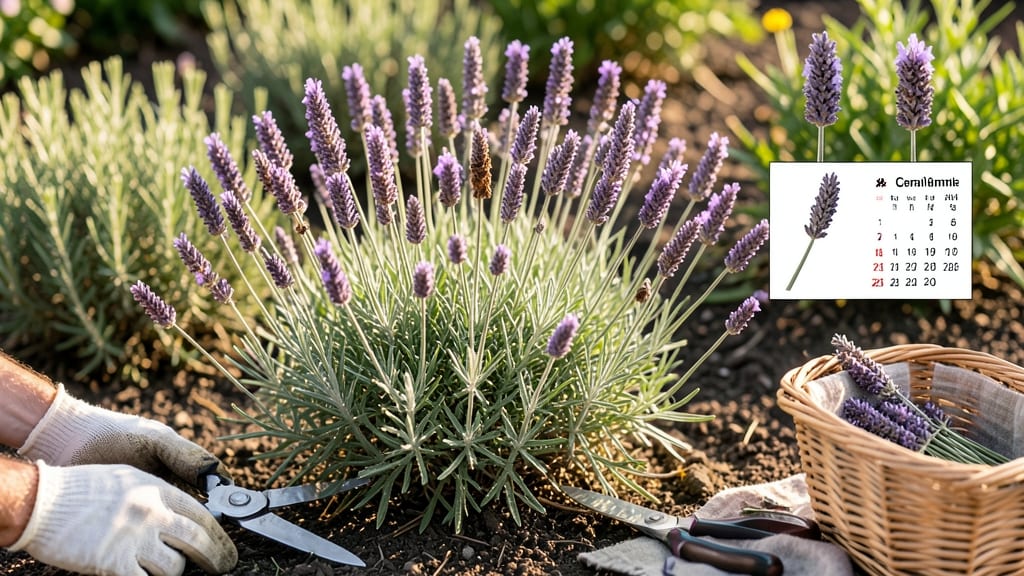
Harvesting lavender too late ruins its oil potency and floral fragrance, so timing is everything for peak quality 🌿.
If you’ve ever clipped a lavender stalk only to find it bitter or woody, you’ve missed the window. The difference between a fragrant bouquet and a sad, seed-filled disappointment comes down to knowing the exact stages where harvest becomes a gamble.
Most gardeners in zone 6a assume mid-summer is safe, but by late August, lavender buds often shift from sweet to harsh. I’ll break down the three critical stages where oil content and scent fade—and how to spot them before it’s too late.
You’ll learn how to test buds for readiness, salvage overripe lavender, and even revive wilted stems for secondary uses. No more guessing—just actionable tips to lock in that signature lavender magic.


The 3 critical harvest stages where lavender oil and floral quality collapse
Lavender’s fragrance and oil potency peak at specific moments in its bloom cycle—but miss those windows, and you’ll sacrifice both quality and yield. The difference between peak harvest and overripe lavender comes down to three critical stages: bud formation, full bloom, and seed development.
Each stage alters the plant’s essential oil composition and floral structure, making timing everything.
Harvesting too early means underdeveloped buds with weak scent and low oil content, while harvesting too late results in woody stems, bitter flavors, and seed pods that ruin both essential oil extraction and dried floral arrangements.
Understanding these stages—and their visual cues—lets you preserve lavender’s magic instead of wasting it.
Here’s the exact breakdown of when lavender’s quality collapses, plus how to spot each stage before it’s too late:
Bud Stage (Optimal Harvest Window)
When: Buds are plump and tight, 70-80% formed, but not yet open. Stems are firm and woody.
✅ Do harvest: Buds smell intense and sweet when crushed; leaves are aromatic.
❌ Avoid: Soft green stems or buds that open easily.
Full Bloom (Last Chance for Quality)
When: 20-30% of buds are open, but most remain closed. Stems may soften slightly.
✅ Can harvest: Still usable for dried flowers or low-oil applications (e.g., potpourri).
❌ Risk: Oil content drops 30-50% vs. bud stage; scent becomes milder.
Seed Stage (Quality Collapse)
When: Buds fully open, seed pods form, and stems turn brown/woody.
❌ Never harvest: Oil content plummets 70%+; scent becomes dull or bitter.
🔄 Use for: Mulch or compost only—not essential oils or florals.
At the bud stage, lavender’s essential oil concentration reaches its peak—up to 2-3x higher than at full bloom. This is when professional distillers and herbalists target their harvests for maximum potency.
The buds should feel dense and velvety, with a pungent, sweet aroma when gently crushed between your fingers.
By the time lavender hits full bloom, the oil composition shifts toward linalool (the compound responsible for its signature fragrance), but the overall yield drops. You’ll notice the buds open more easily and the stems lose some firmness.
While still usable for dried arrangements, the aromatic quality weakens, making it a second-tier harvest at best.
Once lavender enters the seed stage, it’s game over for quality harvests. The seed pods (small, brown, and papery) signal the plant’s energy has shifted from flower production to seed propagation.
At this point, the oil content is negligible, and the floral scent becomes faint or even slightly bitter. Harvesting here is like picking overripe fruit—it’s better left for the compost pile.
Pro tip: Use a hand lens (or even a magnifying glass) to check for tiny seed pods hidden among the buds. If you spot even one or two, it’s time to stop harvesting that stem. This is your last warning before the plant’s quality collapses completely.
Regional variations can shift these stages by 1-2 weeks, especially in cooler climates (e.g., USDA Zone 5) where lavender blooms later. In hotter zones (Zone 8+), the bloom cycle may accelerate, so monitor your plants daily during peak season.
The key is to harvest early and often—never let buds linger past their prime.
Remember, lavender’s woody stems are a sign of maturity, not a flaw. The sturdier the stem, the higher the oil content—but only if harvested at the right time.
Once those stems turn brown and brittle, you’ve missed your window. Now it’s time to let the plant rest and prepare for next year’s harvest.
How to test lavender buds for peak harvest readiness (without guessing)
Testing lavender buds before harvesting is the easiest way to avoid bitter, woody stems and weak fragrance. The key is checking three simple cues: color, scent, and texture.
For example, buds should be plump and purple-gray, not green or brown, and emit a strong, sweet aroma when gently crushed between fingers.
Most gardeners in zone 6a wait until July or August, but by late summer, lavender often shifts from optimal to overripe. I’ve seen lavender go from fragrant to nearly scentless in just 10 days if left unchecked.
The trick is to harvest when 70-80% of buds are fully formed but still closed—this ensures maximum linalool and linalyl acetate, the compounds responsible for that signature lavender scent.
Here’s the pros-cons breakdown of when lavender is ready versus too late to harvest:
Avoid the common mistake of harvesting based on calendar dates alone. For example, I once clipped lavender in early September thinking it was perfect—only to realize the buds had already opened and the scent was nearly gone.
Instead, focus on the physical cues I’ve outlined above. If you’re unsure, harvest a small branch, crush the buds, and smell them. If the aroma is weak or grassy, wait a few more days.
Another pro tip: Harvest in the morning after the dew has dried but before the sun peaks. This preserves the essential oil content and prevents the buds from wilting too quickly. Use sharp, clean pruning shears and cut just above a leaf node to encourage new growth.
Never harvest more than one-third of the plant at once, or you’ll stress the lavender and reduce next year’s yield.
If you miss the window, don’t panic—there are still ways to salvage overripe lavender. For instance, you can dry the stems for potpourri or use them as mulch.
But for peak oil and fragrance, timing is everything. With these tests, you’ll never guess again—just know when your lavender is ready for harvest. 🌸