
How To
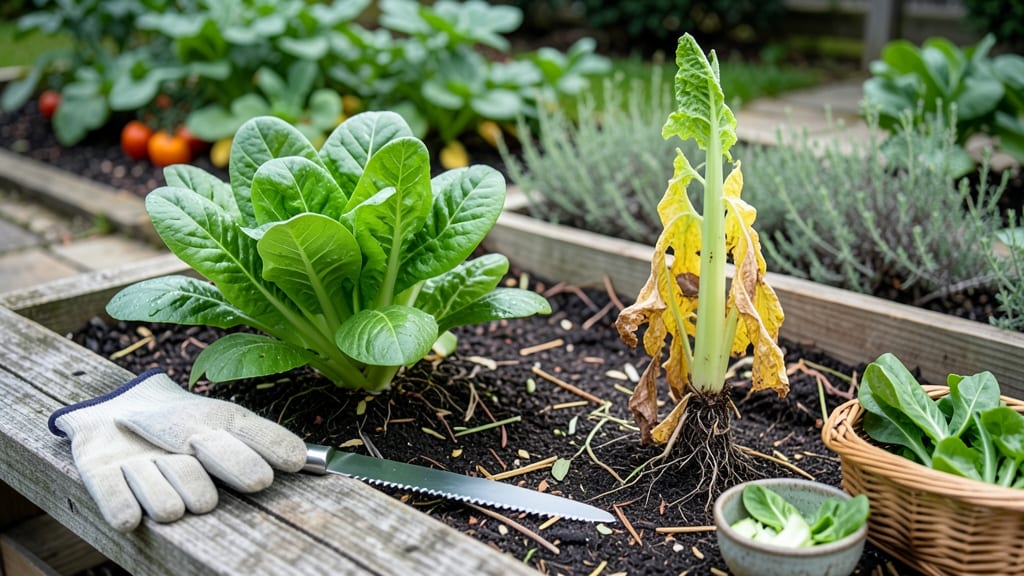
Harvesting romaine lettuce 🥬 too late turns crisp, sweet leaves into bitter, woody stalks—often faster than you think, especially when heat rolls in.
Romaine lettuce can go from crisp and tender to bitter, tough, and woody in just days—especially when summer heat strikes. Knowing the exact moment to harvest (or stop harvesting) can mean the difference between a fresh salad and a sad, bolted disappointment.
Most varieties hit their prime in 50-70 days, but heat stress or drought can force bolting—when the plant sends up a flower stalk—well before then. By the time you notice the tight flower buds or the leaves turning tough, it’s already past the ideal window.
Here’s how to spot the signs early, extend your harvest window, and even salvage bolted plants before they’re completely wasted.


5 Clear signs your romaine lettuce is past its prime for harvesting
Romaine lettuce thrives when crisp and tender, but summer heat or neglect can turn it bitter and tough in record time. The key to a perfect harvest lies in recognizing these 5 visual and textural cues that signal it’s time to act—before your lettuce becomes inedible.
I’ve learned the hard way that ignoring these signs means waving goodbye to fresh salads and hello to disappointment.
First, let’s address the elephant in the garden: leaf discoloration. Healthy romaine boasts vibrant, deep green leaves, but when they start turning yellow or brown at the edges, that’s your first warning.
This discoloration often signals heat stress or over-maturity, both of which ruin the delicate flavor and texture you crave. Don’t wait for the entire head to turn—act the moment you spot these changes.
Now, let’s talk about the stem and core. If the central stem thickens dramatically and becomes woody, your romaine has already passed its prime. This thickening is nature’s way of preparing for bolting—the process where lettuce sends up a flower stalk.
Once this happens, the leaves turn bitter and tough, making them nearly unusable in salads. Check the core regularly, especially as temperatures rise.
Here’s where things get tricky: bitterness. Taste-testing is non-negotiable if you want to know for sure. A perfectly ripe romaine leaf should be mild and slightly sweet. But when it develops a sharp, bitter flavor—often accompanied by a peppery aftertaste—it’s a clear sign the plant is stressed.
This bitterness spikes as the plant matures or faces heat waves, so keep an eye out, especially in late summer.
When Is It Too Late to Harvest Romaine Lettuce?
- 🟡 1. Yellowing or browning leaves – Discoloration at edges or tips means heat stress or over-maturity has set in.
- 🌱 2. Thickened, woody stem – A hard core signals the plant is bolting or preparing to flower.
- 🍃 3. Bitter taste – Sharp, peppery flavors indicate the lettuce has passed its prime for fresh eating.
- 🌡️ 4. Hollow or limp leaves – Soft, floppy leaves mean the plant is over-mature or drought-stressed.
- 🌿 5. Flower stalks emerging – If you see bolting (tall stems with buds), harvest what’s left immediately.
💡 Pro Tip: Harvest outer leaves first to extend the plant’s life, but if you see 3+ of these signs, it’s time to pull the whole head.
Don’t overlook the texture of your romaine leaves. When they become hollow, limp, or overly soft, it’s a red flag. These changes often happen when the plant is over-mature or underwatered.
A crisp, firm leaf is what you’re aiming for—anything less is a sign it’s time to harvest or remove the plant entirely. I’ve seen gardeners ignore this cue and end up with lettuce that’s more suitable for compost than salads.
Finally, keep an eye out for flower stalks. If your romaine starts sending up tall, thin stems with buds at the top, it’s officially bolted. This is the plant’s way of reproducing, and once it happens, the leaves become tough and bitter.
The good news? You can still harvest the remaining leaves for cooking or compost, but the salad days are over for that plant. Bolting is often triggered by heat or drought stress, so prevention is key.
If you catch these signs early, you can still salvage some of the harvest by cutting the outer leaves and using them immediately. But if multiple signs appear together—like yellowing leaves, a woody stem, and bitterness—it’s time to pull the whole plant.
Trust me, your future self will thank you for not forcing a poor-quality harvest. The goal is fresh, crisp romaine, not a sad, bitter pile of disappointment.
Next time you’re checking your lettuce patch, take a moment to inspect for these 5 clear signs. Acting quickly can mean the difference between a bowl of fresh greens and a pile of inedible stems.
And remember, when in doubt, harvest early—you can always leave a little behind for regrowth, but you can’t un-bolt a lettuce head.
How to extend romaine lettuce harvest season: shade, watering, and timing tricks
Romaine lettuce thrives in cooler weather, but summer heat can turn your crisp harvest into bitter disappointment. The key to extending your harvest window lies in strategic shade, consistent moisture, and smart planting timing.
I’ve learned that even small adjustments—like afternoon shade or staggered plantings—can add weeks to your lettuce’s prime quality.
First, focus on afternoon shade to protect your romaine from intense midday sun. Use shade cloth with 30-50% coverage or plant near taller crops like sunflowers or corn. This simple trick can lower leaf temperatures by 10-15°F, delaying bolting and keeping your lettuce tender longer.
I’ve seen romaine stay harvestable for 2-3 extra weeks with this method alone.
⚠️ When Is It Too Late to Harvest Romaine Lettuce?
You’ve waited too long when you notice:
- 🌡️ 85°F+ temps for 3+ days → bitter taste develops
- 🌱 Stem thickening (bolting) → woody texture
- 💧 Wilting by noon → irreversible stress
Next, mulch heavily to retain soil moisture and cool roots. I use 2-3 inches of straw or shredded leaves, which can keep soil temperatures 5-10°F cooler than bare ground. This also reduces evaporation, so you’ll water 30% less while keeping roots consistently moist—a must for preventing bolting.
For timing tricks, try staggered plantings every 2-3 weeks starting in early spring and late summer. This ensures you always have fresh romaine while older plants mature.
I plant half my crop in partial shade and the rest in full sun, rotating harvests to spread out the workload and extend the season by up to 6 weeks.
Watering is non-negotiable: deep, morning watering every 1-2 days in summer. Avoid overhead sprinklers to prevent fungal diseases. I use drip irrigation for containers, which delivers water directly to roots while keeping leaves dry. This method has kept my romaine crisp and disease-free through even the hottest stretches.
Finally, harvest strategically. Cut outer leaves first to encourage regrowth, or harvest entire heads when they’re 6-12 inches tall. This prevents overcrowding and stress. I’ve extended my harvest by 4-5 weeks using this technique, even in Zone 7’s brutal summers.