
How To
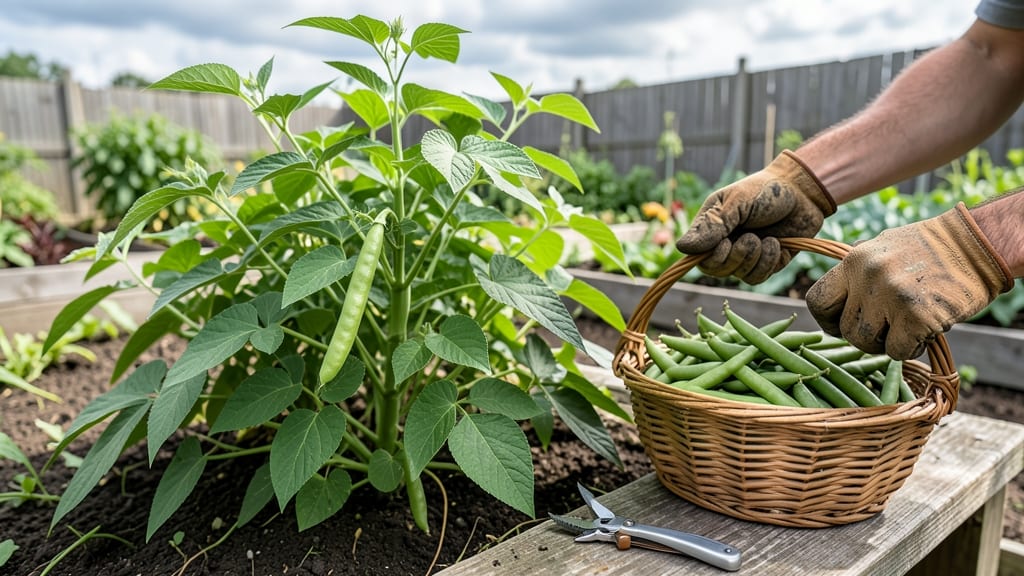
Harvesting beans at the right time means snapping into peak flavor and crispness, but wait too long and you’ll end up with tough, stringy pods that taste like nothing.
Picture this: You’ve spent weeks tending to your 🌱 beans, and now the moment of truth arrives—when do you pick them? Too early, and the pods are bitter or underdeveloped; too late, and the beans turn woody or shatter into dry seeds.
The sweet spot? Knowing exactly when those pods hit their prime.
For most green beans, the ideal harvest window is 60-70 days after planting, when pods are firm, 4-6 inches long, and uniformly colored. But variety matters—bush beans, pole beans, and heirlooms all have their own cues.
I’ll break down how to spot perfectly ripe beans, the best time of day to harvest, and why checking the seeds inside can save your crop.
Whether you’re growing in Zone 6a or a warmer climate, these tips will help you avoid common mistakes and keep your harvest coming all season long—no guesswork required.


How to identify perfectly ripe green beans by size and color
Green beans reach their peak flavor and texture when harvested at the right moment—but timing is everything. Overripe pods become tough and stringy, while underripe beans stay small and bland. The key lies in understanding pod length, thickness, and color cues that signal perfect ripeness for your specific variety.
Most gardeners focus on pod size as the primary indicator, but color and firmness play equally important roles. For example, bush beans like 'Blue Lake' typically mature at 4-6 inches, while pole beans such as 'Kentucky Wonder' can reach 6-8 inches before harvest.
Even within these ranges, subtle differences determine whether your beans are ideal for fresh eating or best saved for drying.
Here’s where visual cues become your best friend. A deep, vibrant green (or the specific color of your variety) paired with a smooth, crisp texture means it’s time to pick.
Meanwhile, pale or yellowing pods with enlarged seeds are past their prime. Let’s break down exactly what to look for in this comparison table.
Notice how pole beans mature slightly later and larger than bush varieties? This difference matters because harvesting too early means missing out on maximum yield, while waiting too long turns your crisp pods into woody, flavorless sticks.
For specialty varieties like flat podded beans, the window is narrower—you’ll want to pick them when they’re 3–5 inches long and still tender.
Color is your second clue. A uniform, vibrant hue (green, purple, or yellow, depending on your variety) indicates ripeness. If you see yellowing or brown spots, it’s a sign the pod is overripe and past its best.
Even worse, pale or uneven coloring suggests the bean isn’t getting enough sunlight or nutrients—address this by checking your plants’ soil moisture and sunlight exposure.
Don’t overlook the seed visibility test. When you hold a pod up to the light, you should see tiny, barely visible seeds. If the seeds are large and prominent, the bean has passed its prime for fresh eating.
This is especially critical for drying beans, where you’d intentionally wait longer, but for snap beans, early harvesting is key to tenderness.
Pro tip: Pinch-test your beans by gently squeezing them. A ripe pod should feel firm but yield slightly, like a fresh cucumber. If it feels squishy or hollow, it’s underripe; if it’s hard and woody, it’s overripe.
This simple trick saves you from guesswork and ensures every pod you pick is at its best.
For specialty varieties like purple or yellow beans, the color cues shift slightly. Purple beans, for example, should be a deep, even purple with no green streaks, while yellow beans mature to a bright, buttery yellow.
Always refer to your seed packet for variety-specific guidelines, as some heirloom beans have unique ripening characteristics.
Finally, remember that harvesting frequency affects ripeness. The more you pick, the more your plants produce. Aim to harvest every 2–3 days during peak season to keep pods at their sweetest. Ignore this, and you’ll end up with a bitter, fibrous mess instead of the crisp, flavorful beans you’re after.
With these visual and tactile cues, you’ll never second-guess your harvest again. Grab your basket, head to the garden, and enjoy the freshest, most delicious green beans straight from your plants to your plate! 🌱
The best time of day and frequency for harvesting green beans
Harvesting your green beans at the right time of day makes all the difference in flavor and texture. I’ve found that morning harvests are ideal because the pods are cool, crisp, and packed with natural sugars.
The early morning dew has evaporated, but the beans haven’t been exposed to the heat of the day yet, which can make them limp or bitter.
If you can’t make it in the morning, late afternoon works too—just avoid harvesting after sunset, as the beans tend to be softer and more prone to damage.
Consistency is key when it comes to harvesting frequency. For most varieties, I recommend picking beans every 2-3 days during peak production. This might seem like a lot, but it encourages your plants to keep producing new pods instead of letting them mature into tough, stringy beans.
If you miss a harvest window, you’ll notice the pods start to yellow or bulge—that’s your plant’s way of saying, “I’ve got more to give, but you’re not listening!”
Seasonal variations also play a role in your harvesting schedule. In warmer climates (Zones 8-10), beans can produce continuously for months, so you might need to harvest daily during peak season.
In cooler climates like Zone 6a, the growing season is shorter, so I focus on harvesting every 2-3 days to maximize yield before the first frost hits in October.
Always check your specific variety’s days to maturity—some bush beans are ready in 50 days, while others take up to 70 days.
- Morning (6-9 AM) is the best time to harvest—beans are crisp and full of flavor.
- Every 2-3 days keeps production steady and prevents bitterness or tough pods.
- Check seed size: Harvest when seeds are visible but still small—this ensures tender beans.
- Warmer climates may require daily harvesting during peak season (June-August).
- Cooler climates (like Zone 6a) benefit from 2-3 day intervals to extend harvest.
- Avoid harvesting after sunset—beans are softer and more prone to damage.
- Use sharp scissors or fingers to snap pods cleanly without damaging the plant.
One of my biggest lessons came from neglecting my pole beans for a week. When I finally harvested, the pods were woody and stringy, and the seeds inside were nearly fully formed.
That’s when I learned to check the seeds—if they’re larger than a pea-sized dot, it’s past the ideal harvest window. For bush beans, I aim to pick when pods are 4-6 inches long and uniformly colored, usually around 60 days after planting.
If you’re growing heirloom varieties, always check the seed packet for specific guidelines, as some types mature faster or slower.
Another pro tip? Harvest regularly to prevent disease. Overripe beans attract pests like bean beetles and can develop fungal issues if left on the vine too long. I also recommend harvesting on cloudy days if you’re behind on your schedule—the cooler temperatures help preserve the beans’ crispness.
And if you’re growing beans in containers, be extra diligent about checking pods, as they can hide behind foliage and go unnoticed.
By following these simple rules, you’ll enjoy a continuous harvest of tender, flavorful green beans all season long. The more you pick, the more your plants will produce—it’s like giving them a little nudge to keep going.
So grab your basket, head out to the garden early in the morning, and enjoy the rewards of your hard work! 🌱