
Vegetables
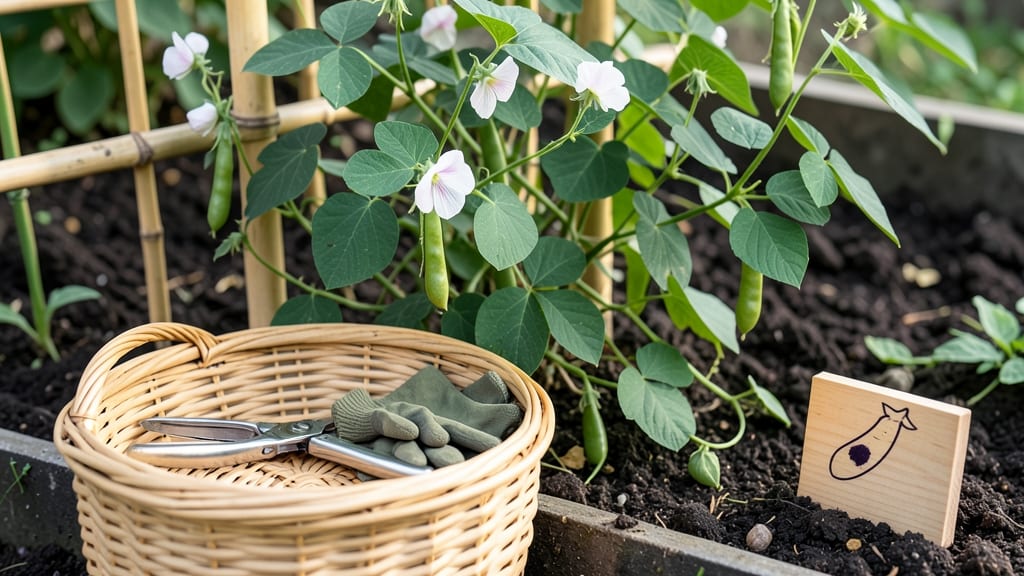
Harvesting black-eyed peas at the right time turns a simple garden task into a flavor-packed reward—because waiting too long means tough, bitter pods instead of tender, sweet ones.
Picture this: you’ve nurtured your 🌱 black-eyed peas all season, and now the moment of truth arrives. How do you know when those pods are ready to pick? The answer lies in a few simple cues—like the way they feel when you squeeze them or the tiny rattling sound inside.
Timing matters more than you might think. In Zone 6a, where spring planting kicks off in April, pods typically reach peak harvest between July and September—but missing the window by even a few days can turn your crop into a mushy disappointment.
Below, I’ll walk you through the exact signs to watch for, from pod size to seed development, so you can harvest at the perfect moment. No more guesswork, just crisp, delicious peas straight from your garden.


How to check black eyed pea pods for perfect harvest timing
Harvesting black-eyed peas at the right moment transforms your garden into a flavor factory. Overripe pods turn tough and bitter, while underripe ones lack sweetness. The key lies in mastering visual cues and tactile tests—here’s how to nail that perfect harvest window every time.
Start by examining the pod size. Ideal pods measure 2-3 inches long and feel slightly swollen. They should curve naturally, not remain straight or tightly curled. If pods are still small and curled like a question mark, they need more time on the vine.
Next, check the pod color. Fresh pods are bright green, but ready-to-harvest pods develop subtle yellowing at the edges. This color shift signals sugar development without overmaturity. Avoid pods that turn fully yellow—they’ll be tough and stringy.
Here’s the golden rule: Gently squeeze the pod between your thumb and forefinger. It should feel tender but firm, like a ripe green bean. If it’s rock-hard, it’s too early; if it feels mushy, you’ve waited too long. This firmness test is your best flavor predictor.
- Check pod size: Look for pods 2-3 inches long with a natural curve.
- Test pod color: Bright green with slight yellowing at edges.
- Perform the rattle test: Shake pods—seeds should rattle softly (not loudly).
- Firmness check: Pods should yield slightly when pressed (like a ripe green bean).
- Stem snap test: Twist pods gently—they should snap cleanly from the vine.
Don’t overlook the seed rattle test. Hold a pod near your ear and shake it gently. You should hear a soft rattle—this means the seeds are plump but still small.
If they sound like marbles, the pods are overripe. Overripe seeds also appear too large for the pod, crowding each other.
Regional timing matters too. In USDA Zone 6a, black-eyed peas typically reach harvest readiness 60-75 days after planting (around July-September). However, heat waves can speed up maturity—check pods weekly in hot climates. If pods mature too quickly, consider planting shade-tolerant varieties or using row covers.
One common mistake is harvesting by calendar dates instead of pod cues.
Even if your plants are 60 days old, if pods aren’t showing yellow edges or the right size, wait a few more days. Consistency is key: Picking at the right stage ensures your plants keep producing new pods for weeks.
For continuous harvests, pick pods every 2-3 days during peak production. This encourages more flowers and pods to form. Use clean, sharp scissors or your fingers to avoid damaging the plant. Cut stems at a 45-degree angle to prevent water from pooling and causing rot.
Store freshly harvested pods in the fridge for up to 5 days in a perforated bag. For longer storage, blanch pods and freeze them. Overripe pods? Use them in soups or stews where texture matters less. But for fresh eating, timing is everything.
Mastering these cues turns your black-eyed peas from garden curiosities to culinary stars. The next time you’re in your garden, take a moment to feel those pods—your taste buds will thank you!
Best time of day and frequency for harvesting black eyed peas
Harvesting your black-eyed peas at the right time of day makes all the difference in flavor and texture. I’ve found that morning harvests between 7 AM and 9 AM deliver the crispest, most flavorful pods. This is when moisture levels are optimal, and pods haven’t softened from daytime heat.
If you must harvest later, do it by late afternoon—avoid evening harvests, as humidity can encourage mold growth on freshly cut stems.
For continuous production, I recommend harvesting every 2-3 days during peak season (July-September in Zone 6a). This frequent picking stimulates your plants to produce more flowers and pods. Think of it like pruning: the more you remove mature pods, the more your black-eyed peas will keep blooming.
In my experience, plants that receive this regular attention can produce pods for 6-8 weeks instead of just 3-4 weeks.
- Morning (7-9 AM): Pods are crispest and most flavorful
- Frequency: Every 2-3 days for continuous production
- Peak Season: July-September in Zone 6a
- Avoid: Evening harvests (increases mold risk)
- Tool Tip: Use clean scissors at 45-degree angle
To extend your harvest season, I’ve had success with a few simple strategies. First, choose early-maturing varieties like 'Purple Hull' or 'Crowder' that reach harvest readiness in just 50-55 days.
For later harvests, try succession planting: sow new seeds every 2 weeks after your initial planting. This staggered approach ensures you have fresh pods from early July through late September.
Another trick I’ve learned is to provide light shade cloth during extreme heat waves. When temperatures exceed 90°F, pods mature too quickly and become tough. A 30% shade cloth can buy you an extra 1-2 weeks of harvestable pods while still allowing plenty of sunlight.
Just remember to remove it when temperatures drop to maintain pod quality.
After harvesting, I always store pods in the fridge for up to 5 days in a perforated bag. For longer storage, blanch and freeze them—this preserves both texture and flavor. The key is to harvest at the right stage and handle pods gently to maintain their quality.
With these timing tips, you’ll enjoy a steady supply of fresh, tender black-eyed peas all season long.
One final piece of advice: keep an eye on your plants' overall health. If leaves start yellowing or pods develop black spots, it’s time to adjust your care routine. Healthy plants produce the best pods, so consistent watering (1 inch per week) and balanced fertilizer (every 4-6 weeks) are essential.
When you combine proper timing with good plant care, your black-eyed peas will reward you with a bountiful, delicious harvest.