
How To
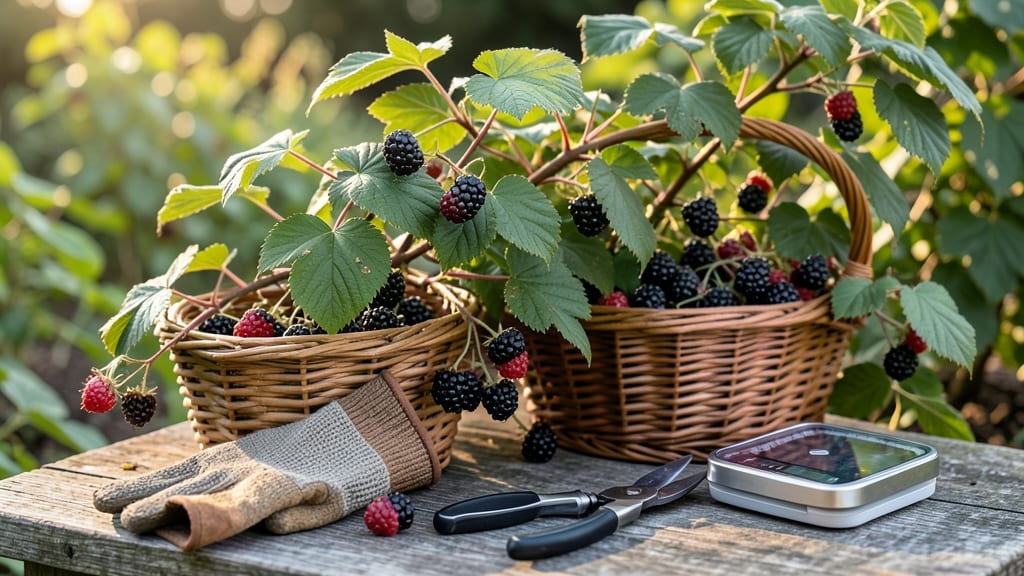
Harvest blackberries when they’re fully black and plump, typically July through September in most regions, but the real secret lies in the pop test—a trick that tells you exactly when they’re at their peak.
Picking too early means mealy, tart berries that won’t satisfy your sweet tooth, while waiting too long risks overripe squishiness. I’ve learned the hard way that timing isn’t just about color—it’s about texture, flavor, and even the time of day you harvest.
Miss the window, and you’re left with underwhelming fruit that falls apart when you bite in.
Below, I’ll walk you through the exact steps to master the pop test, plus how to adjust for your local climate and blackberry variety. You’ll also discover why morning harvests often yield better flavor and how to spot the perfect berry before it slips away.
By the end, you’ll know not just when to harvest, but how to ensure every bite is bursting with sweetness—no more guessing, just confident picking.


How to use the blackberry pop test for perfect harvest timing
The blackberry pop test is the gardener's secret to knowing exactly when to harvest these sweet, juicy fruits. This simple tactile method helps you avoid picking berries that are either underripe and tart or overripe and mushy.
The key is to combine the pop test with visual and flavor cues for foolproof results every time.
Timing your harvest correctly ensures peak flavor, optimal texture, and maximum yield from your blackberry bushes. The pop test works best when performed during the cool morning hours when berries are firmest.
Avoid testing in the heat of the day, as warm temperatures can make berries softer and give false results.
Here’s how to perform the pop test correctly for perfectly ripe blackberries:
Regional variations can affect when blackberries ripen, so adjust your timing based on your USDA hardiness zone. In warmer climates (Zones 8-10), blackberries may ripen as early as late June, while in cooler zones (Zones 5-7), harvest typically occurs between mid-July and early September.
For second-crop varieties, like 'Ouachita' or 'Arapaho,' the pop test is especially useful because these berries ripen unevenly. Test a few berries daily to catch the peak harvest window, which can last 2-3 weeks for these varieties.
Once you’ve confirmed ripeness with the pop test, harvest blackberries by twisting gently to avoid damaging the plant. Use harvesting shears or clean scissors for larger clusters to ensure clean cuts and prevent disease spread.
Pro tip: Harvest in the morning when berries are cool and firmest. This helps preserve their flavor and texture longer, whether you’re eating them fresh, freezing, or making jams. Store harvested berries in the fridge for up to 3-5 days or freeze them for long-term storage.
Mastering the pop test takes practice, but once you get the hang of it, you’ll never miss a perfectly ripe blackberry again. Happy harvesting! 🫐
Blackberry ripening stages: color, size, and flavor clues beyond the pop test
Blackberries don’t ripen uniformly, and their color can be misleading—what looks fully ripe might still be underripe inside. Understanding the four ripening stages (green, red, purple, black) helps you avoid picking berries too early or too late.
Each stage reveals crucial clues about texture, sweetness, and seed development that go beyond the classic pop test.
The green stage is all about growth, not flavor. Berries here are hard, tart, and unripe—think of them as the seedling phase of fruit development. They’ll never sweeten at this point, no matter how long you wait.
The red stage signals partial ripeness, where berries soften slightly but still lack full flavor. This is where many gardeners make the mistake of picking "almost ripe" berries, only to find they’re mealy and bland.
Here’s how to tell them apart at a glance, plus a color comparison for common varieties like Triple Crown, Natchez, and Ouachita:
| Stage | Color Clues | Texture | Flavor | Harvest Ready? |
|---|---|---|---|---|
| Green | Uniform green, no color change | Hard, no give | Tart, bitter | ❌ No |
| Red/Purple | Red or purple patches (not fully black) | Slightly soft, but firm | Mild sweetness, mealy | ⚠️ Maybe (test pop) |
| Purple-Black | Mostly black with slight purple tint | Soft, yields to gentle pressure | Sweet, juicy, seeds soft | ✅ Yes (peak ripeness) |
| Fully Black | Deep black, no red/purple | Very soft, may bruise | Overripe, fermented | ❌ No (unless for jam) |
The purple-black stage is where blackberries hit their peak sweetness. This is the sweet spot for eating fresh—berries are soft enough to pop when pinched but still hold their shape. If you see any red or purple lingering, the berries need more time on the vine.
Meanwhile, fully black berries are often overripe, with softer seeds and a fermented taste, though they’re perfect for baking or making jam.
Uneven ripening happens with second-crop varieties like Ouachita, where berries on the same cane ripen at different times. In this case, pick the purple-black berries first and leave the green ones to ripen.
Pro tip: Harvest in the morning when berries are cool and firmest—this gives you the longest window to pick before they overripen by afternoon.
Watch for bird damage too! Birds love ripe blackberries, so if you see pecked berries with exposed seeds, those are past their prime. Always check the bottom of the cluster first—it ripens earliest and gives you the best clue about the rest of the fruit’s readiness.
Now that you know the stages, you’ll never guess again. Grab a basket, head to the patch, and pick only the purple-black beauties—your taste buds will thank you!