
How To
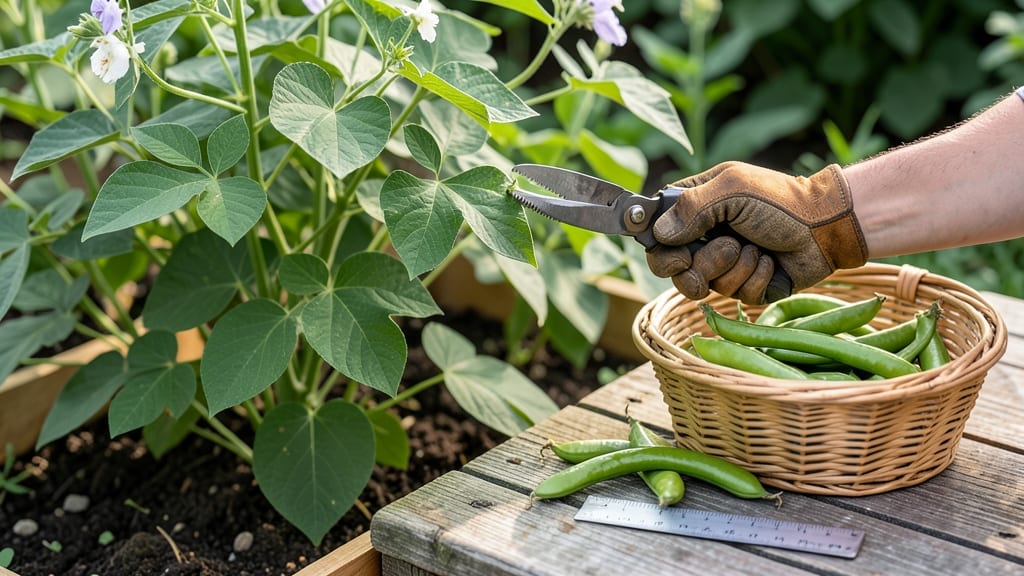
Harvest bush beans 🌱 when the pods are 4 to 6 inches long, firm to the touch, and snap easily—this is the sweet spot for peak flavor and texture.
Picking too early means underdeveloped pods, while waiting too long turns them tough and stringy. I’ve learned the hard way that timing is everything—one missed window can mean a whole season’s worth of disappointment.
Most varieties reach this stage about 50 to 60 days after planting, but heat and humidity can speed things up. Morning harvests keep the pods crisp, and frequent picking encourages more production.
Below, I’ll break down the exact visual cues to watch for, how often to harvest, and why regional differences matter—so you can turn every plant into a flavorful bounty.


How to identify perfectly ripe bush beans by pod size and color
Bush beans are one of the easiest vegetables to grow, but timing your harvest is everything. Overripe pods become tough and woody, while underripe beans lack sweetness. The key lies in watching for pod size, color, and texture cues that signal peak ripeness.
Whether you're growing green, purple, or wax beans, these visual clues will help you pick at the perfect moment.
Most bush bean varieties reach harvest readiness 50-60 days after planting, but pod characteristics are your best guide. Ignoring size and color can lead to bitter-tasting beans or wasted effort.
For example, green beans should be a vibrant, even hue—not pale or yellowing—while purple beans should deepen to their richest shade before picking. Let’s break down the exact signals to watch for in your garden.
| Bean Type | Pod Length | Color | Texture | Seed Visibility |
|---|---|---|---|---|
| Green Beans | 4-6 inches | Bright, even green | Firm, crisp | Visible but not bulging |
| Purple Beans | 4-5 inches | Deep purple, no fading | Slightly waxy, firm | Visible, round seeds |
| Wax Beans | 5-6 inches | Creamy yellow, no green streaks | Crisp, slightly waxy | Small, barely visible |
For green bush beans, aim for pods that are 4-6 inches long and a uniform, vibrant green. A quick bend test works too—ripe pods should snap cleanly with a slight resistance.
If they bend without snapping or feel rubbery, they’re past their prime. Purple beans, like 'T泰国紫豆' or 'Blue Lake Purple', should be a deep, rich hue without any yellowing or fading. Their texture should feel slightly waxy but still firm to the touch.
Wax beans, such as 'Golden Wax' or 'Dragon Tongue', are trickier because their color changes as they ripen. Look for a creamy yellow shade with no green streaks, and pods that are 5-6 inches long. Their texture should be crisp, almost like a snap pea. If you see any green tint lingering, give them another day or two. Overlooking these details can turn your harvest from a crisp, sweet feast into a chewy, bland disappointment.
One of the most common mistakes is harvesting based on plant age alone. Just because your bush beans have been in the ground for 60 days doesn’t mean every pod is ready. Check individual pods daily during peak harvest season (usually July-August in most climates).
In hotter regions, beans may ripen faster—sometimes in as few as 45 days—so stay vigilant. A quick glance at your plants every morning can save you from missing the sweetest, most tender beans.
Don’t forget to consider the time of day when harvesting. Early morning is ideal because pods are cool and crisp, retaining their flavor longer. Avoid picking after a hot afternoon, as beans can become flaccid and less flavorful.
If you’re unsure whether a pod is ready, err on the side of harvesting sooner. Beans left on the plant too long will shrink in size, develop hard seeds, and lose their sweetness. Think of it like catching a wave—timing is everything!
Another pro tip: Harvest frequently to encourage more production. Bush beans are self-pollinating, meaning each flower produces just one pod. If you let pods mature fully, the plant will stop producing new flowers. Aim to pick every 2-3 days during peak season to keep your plants busy growing.
This not only gives you a longer harvest window but also ensures the beans you do pick are at their peak flavor and texture.
Regional differences can also affect ripeness. In cooler climates, beans may take longer to mature, while hotter, southern gardens can produce ripe pods in as little as 40 days. Pay attention to your local last frost date and adjust your expectations accordingly.
For example, if you’re in Zone 5 or colder, start harvesting later in the season, around mid-July, whereas Zone 8+ gardeners might begin as early as June. Always adapt to your specific growing conditions.
Finally, resist the urge to harvest based solely on seed visibility. While you want seeds to be visible but not bulging, some varieties (like flat pod beans) have seeds that are harder to see even when ripe. Instead, focus on the pod’s overall shape and firmness.
A ripe bush bean should feel plump and crisp, not hollow or shriveled. If you’re still unsure, slice one open—ripe beans will have small, round seeds surrounded by tender flesh, while overripe ones will have large, hard seeds and thin walls.
Mastering the art of harvesting bush beans is all about observation and consistency. Once you start paying attention to these <
Best practices for harvesting bush beans without damaging the plant
Harvesting bush beans properly isn’t just about timing—it’s about technique. When you pluck pods the wrong way, you risk bruising the plant or stressing it enough to stunt future production. I’ve found that using the right method keeps my plants thriving while giving me a steady supply of fresh beans.
Start by harvesting in the early morning when pods are cool and crisp. This is when their flavor and texture are at their peak. Avoid harvesting after rain, as wet pods can bruise easily and attract pests.
Always use a sharp pair of pruning shears or your fingers to avoid tearing the plant.
Gently grasp the pod near its base and twist it slightly while pulling upward—this minimizes damage to the stem. Never yank pods off, as this can uproot tender stems or leave jagged wounds that invite disease. I’ve seen firsthand how careful harvesting extends the plant’s productivity by weeks.
🌱 Pro Tip: When to Harvest Bush Beans
Pod Size: 4-6 inches long
Texture: Firm but not woody
Color: Vibrant (green, purple, or wax)
Sound: Snaps cleanly when bent
Harvest every 2-3 days to encourage continuous production.
Frequency is key—harvest your bush beans every 2 to 3 days during peak production. This prevents pods from over-maturing and signals the plant to produce more. I’ve noticed that when I skip harvests for even a week, the plants slow down and yield drops noticeably.
For heirloom varieties, check daily if possible, as they ripen faster.
Extend your harvest season by choosing the right tools. A harvest basket with a handle lets you carry freshly picked beans without crushing them. For larger gardens, a lightweight wheelbarrow makes transporting plants to the kitchen easier.
Mulching around the base of plants also helps regulate soil temperature, keeping pods tender longer.
If your plants are struggling mid-season, reduce watering slightly and focus on morning harvests to prevent fungal issues. Overwatered plants produce softer pods that bruise easily. I’ve learned that consistency in both watering and harvesting keeps my bush beans productive from first bloom until the first frost.