
Vegetables
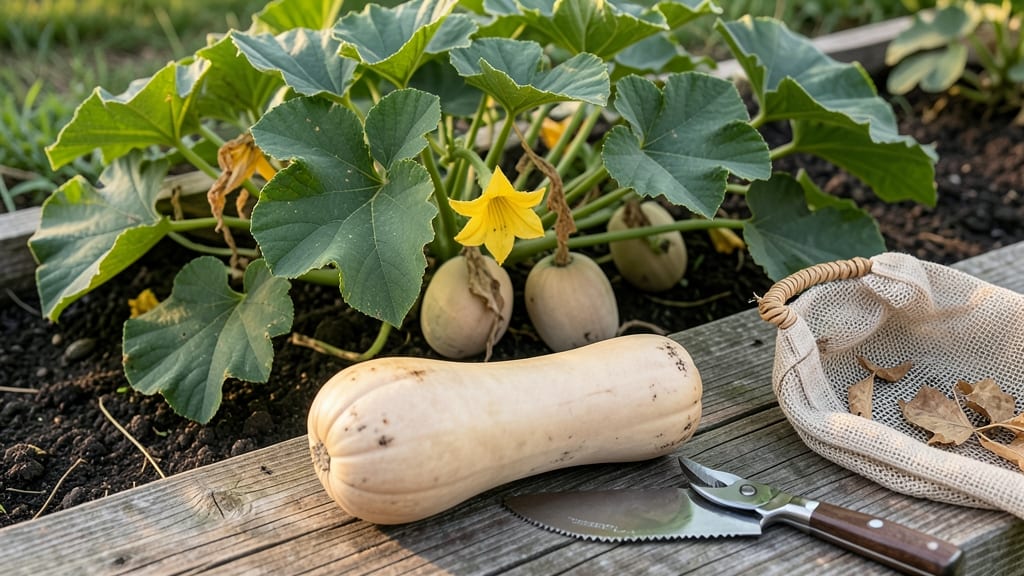
Harvesting butternut squash 🎃 at the right time means the difference between a sweet, nutty flavor and a meal that tastes like watered-down pumpkin.
Butternut squash harvest timing can make the difference between a sweet, flavorful meal and a bland, overripe disappointment—here’s how to nail it every time.
Most varieties need 90 days to mature, but checking the skin for hardness (it should resist a fingernail) and color (deep tan, not pale) is the real trick. Skip these cues, and you might end up with squash that’s too soft or too tough.
Below, I’ll walk you through the exact signs to watch for—plus how to adjust for your growing zone and avoid common mistakes that ruin the harvest.
How to check butternut squash ripeness using skin hardness & color
Harvesting your butternut squash at the perfect moment transforms a good crop into an exceptional one. The key lies in two simple but often overlooked clues: skin hardness and color changes.
Unlike some squash varieties, butternuts don’t soften as they ripen—they actually become firmer. This makes the fingernail test your best friend for avoiding both underripe and overripe squash.
Many gardeners make the mistake of harvesting based on size alone, but a large butternut squash isn’t necessarily ripe. The skin color shifts from pale green to a rich tan or beige, while the stem begins to dry and shrink slightly.
Ignoring these signs often leads to squash that’s either too watery or overly fibrous. Let’s break down the exact steps to check ripeness like a pro.
- 1 Perform the fingernail test: Press firmly into the skin near the blossom end. If your fingernail doesn’t puncture the skin, the squash is ready. If it sinks in easily, wait 3–5 more days.
- 2 Check the skin color: Look for a deep tan or beige hue (not green). Some varieties may stay slightly green, but the color should be uniform and vibrant. Avoid squash with pale or mottled patches.
- 3 Inspect the stem: The stem near the fruit should begin to dry out and shrink. If it’s still plump and green, the squash needs more time. A fully dried stem indicates peak ripeness.
- 4 Observe vine health: The vines should start yellowing and dying back naturally. This is a clear sign the plant is redirecting energy to the squash. Harvest before the vines completely collapse to avoid overripe fruit.
- 5 Weigh the squash: A ripe butternut typically weighs 3–5 pounds. While size varies by variety, squash that feel heavy for their size are often the sweetest and most flavorful.
One common mistake is harvesting based on calendar dates rather than the squash’s readiness. Butternut squash mature between 85–100 days after planting, but environmental factors like temperature and sunlight can shift this window.
For example, cooler summers may delay ripening by 1–2 weeks, while hot, dry conditions can speed it up.
Another pitfall is assuming all squash on the vine are ripe at the same time. Harvest gradually—check a few squash weekly once they near maturity. This ensures you don’t miss the window for the earliest fruit while others continue ripening.
Pro tip: Use a sharp pruning saw to cut squash from the vine, leaving a 1-inch stem attached. This prevents rot and extends storage life.
If you’re unsure whether your squash is ready, taste test one. Cut a small slice from the blossom end (the less sweet part) and check for firm flesh and mild sweetness.
Underripe squash will taste bland and watery, while overripe squash may develop a grainy texture or hollow spots. This simple test saves time and frustration in the long run.
For gardeners in cooler climates (Zones 3–5), prioritize harvesting before the first frost, even if the squash isn’t fully ripe. While they can tolerate light frosts, prolonged cold damages the skin and reduces storage potential.
In warmer zones (Zones 6–10), you have more flexibility, but don’t wait too long—the flavor peaks at full ripeness.
Once you’ve mastered these techniques, you’ll never again wonder, “Is my butternut squash ready?”. The combination of skin hardness, color depth, and stem drying gives you a foolproof method for harvesting squash at their sweetest. Happy harvesting!
Seed color & stem changes: hidden signs your butternut squash is ready
One of the most overlooked clues about butternut squash ripeness is the seed cavity inside the fruit. When fully ripe, the seeds shift from white or pale green to a deep brown or tan color—this indicates the sugars have fully developed.
If the seeds stay green, the squash likely needs more time on the vine. I’ve seen gardeners miss this cue and harvest too early, resulting in bland-tasting squash.
Don’t overlook the stem condition either. A dried, slightly shriveled stem near the fruit signals maturity, while a green, plump stem means it’s not ready. The stem should feel papery and brittle when touched—almost like it’s preparing to detach naturally.
If you ignore this, you risk harvesting squash that’s still growing and won’t store well.
The seed color change happens because the plant redirects nutrients to the seeds as the fruit matures. This process also thickens the rind and intensifies the flavor. If you cut open a squash with white seeds, you’ll notice a watery texture and less sweetness—definitely not ideal for roasting or baking.
Overripe squash happens when you ignore these cues and let the fruit stay on the vine too long. The stem will eventually rot or detach on its own, but the squash may develop a hollow core and lose flavor.
I’ve had this happen when I focused only on size rather than the stem and seed signs—now I double-check both before harvesting.
For storage, leave the dried stem intact when harvesting, as it helps the squash last longer. If you cut the stem too close, the wound can rot and shorten shelf life.
Store in a cool, dry place (50–55°F) where it’ll keep for 2–3 months. The seed color and stem condition are your best friends for timing this perfectly.
Pro tip: If you’re unsure, harvest a test squash and taste it. The flavor difference between a properly ripe one and an underripe or overripe squash is night and day. Sweet, nutty, and creamy is what you’re aiming for—don’t settle for anything less!