
Picking
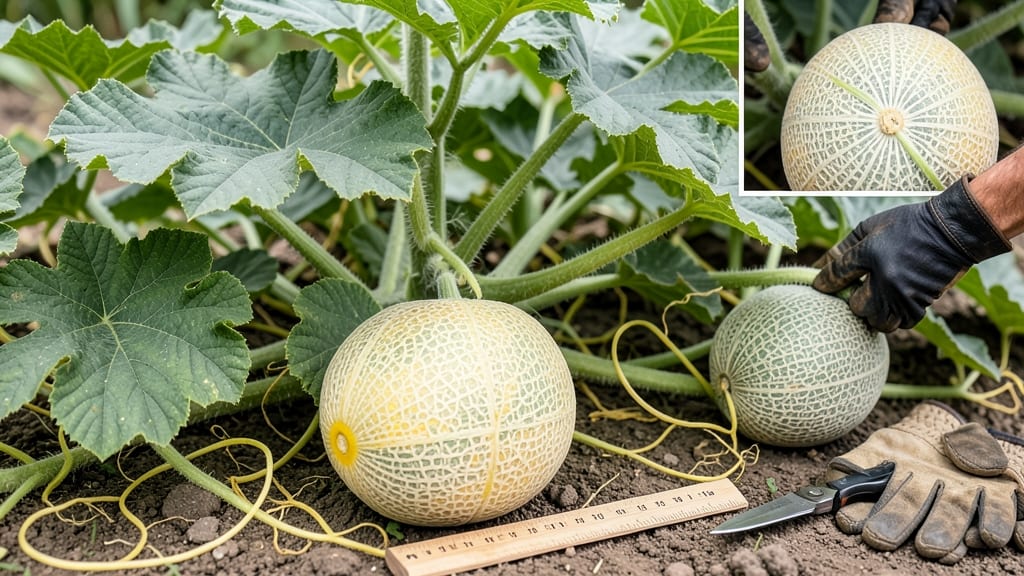
Knowing when to harvest cantaloupe from the garden at the right time means the difference between sweet, juicy perfection and bland, underripe disappointment—so timing is everything.
Picture this: you’ve waited months for your 🍉 to ripen, only to pick it too soon and end up with fruit that’s hard, flavorless, or worse, never develops its signature sweetness. The good news? There are three foolproof signs that tell you—without any guesswork—when your cantaloupe is ready to harvest.
From the telltale creamy blush near the stem to the way the fruit slips effortlessly from the vine, these cues are your secret weapon for a harvest that tastes like summer. Plus, I’ll show you how to avoid the most common mistakes that leave gardeners scratching their heads.
By the end, you’ll know exactly when to pluck your cantaloupe for the perfect balance of sweetness and texture, whether you’re growing in Zone 6a or beyond.


3 Visual and scent-based signs your cantaloupe is ready to harvest
There’s nothing worse than biting into a cantaloupe that’s either hard and bland or overripe and mushy. The secret to perfect cantaloupe lies in three foolproof signs that combine visual cues and scent.
These indicators work together to guarantee you’re harvesting at peak sweetness—no guesswork required. Let’s break down the exact moment your cantaloupe is ready to pick.
First, most gardeners focus on rind color, but the real magic happens near the stem. A ripe cantaloupe develops a creamy yellow or beige blush where it connects to the vine. This isn’t the same as the net pattern—it’s a distinct color shift that signals sugar development.
Pair this with two other clues, and you’ll never pick too early again. Let’s dive into the details.
Look for: A creamy yellow or tan color where the fruit meets the vine. This area should no longer be green—instead, it’ll have a matte, slightly dull finish.
Pro Tip: Run your thumb along the stem. If the rind feels slightly rough (not smooth), it’s ready. A smooth rind means it’s underripe.
Gently twist the cantaloupe at the stem. If it slips free with minimal effort, it’s ripe. A ripe cantaloupe should detach cleanly—no tugging required.
Warning: If the stem snaps off or the fruit doesn’t budge, it’s not ready. Overripe cantaloupes may fall off on their own, but they’ll lack sweetness.
This is the most reliable trick of all: smell the blossom end (the flat side opposite the stem). A ripe cantaloupe emits a powerful, sweet, musky fragrance—almost like a mix of honey and ripe melon.
What to Avoid: If it smells sour, fermented, or has no scent, it’s either overripe or underripe. The aroma intensifies as sugar develops, so trust your nose!
Combining these three signs eliminates all guesswork. For example, I once picked a cantaloupe because the rind looked creamy, but it lacked that musky scent.
When I sliced it open, the flesh was hard and pale—a clear sign I’d missed the aroma clue. Now, I always double-check all three before harvesting.
Bonus tip: Check the ground spot where the cantaloupe rests on the vine. If it’s beige or tan (not green), that’s another green light. This happens because the fruit’s natural sugars leach into the vine, changing the color of the contact point.
Remember, cantaloupes won’t ripen further after picking, so timing is everything. If you’re unsure, wait one more day—the extra sweetness is worth it. And once you master these signs, you’ll be the go-to gardener for the juiciest cantaloupe in the neighborhood! 🍉
How to test cantaloupe ripeness: the thump, twist, and slip method
When your cantaloupe reaches the perfect balance of sweetness and texture, it’s time to harvest—but how do you know for sure? The thump test, twist method, and slip technique are my go-to tactile tricks to avoid picking cantaloupe too early or too late.
These methods work together to confirm ripeness, ensuring you enjoy that peak flavor and juicy flesh you’ve been waiting for.
Don’t rely on size alone—overripe cantaloupe can be just as disappointing as underripe fruit. The thump test is the most famous, but the twist-and-slip combo gives you a second opinion.
I’ve made the mistake of harvesting based on size, only to end up with bland, seedy melons. Let’s fix that with these foolproof tests.
⚠️ Pro Tip: Always test cantaloupe in the morning when it’s cool. Warm temperatures can trick you into thinking it’s riper than it actually is.
| Ripeness Test | Unripe Cantaloupe | Perfectly Ripe Cantaloupe |
|---|---|---|
| Thump Test | Sounds dull, like a thud or hollow knock | Sounds deep and hollow, like a musical thud |
| Twist Method | Stem doesn’t twist or breaks off cleanly | Stem twists off easily with a slight tug |
| Slip Test | Fruit stays firmly attached to vine | Fruit slips free with gentle pressure |
| Ground Spot | White or greenish where it touches vine | Tan or beige where it rests on vine |
Start with the thump test: Give the cantaloupe a firm knock with your knuckles. If it sounds dull or hollow, it’s not ripe yet. A deep, musical thud means it’s ready. Next, try the twist method—gently twist the stem.
If it snaps off easily without resistance, you’ve got a winner. Finally, the slip test: Lift the fruit gently. A ripe cantaloupe will detach from the vine with minimal effort.
Pay attention to the ground spot, too—the area where the cantaloupe touches the vine. When ripe, this spot turns tan or beige. If it’s still white or green, wait a few more days.
These tests work best when combined with the scent test from earlier—ripe cantaloupe should smell sweet and musky near the stem.
If you harvest too early, your cantaloupe will be hard, seedy, and bland. Overripe fruit becomes soft, stringy, and fermented. By mastering these tests, you’ll never miss peak ripeness again. Now go enjoy that perfectly sweet cantaloupe you’ve earned!