
How To
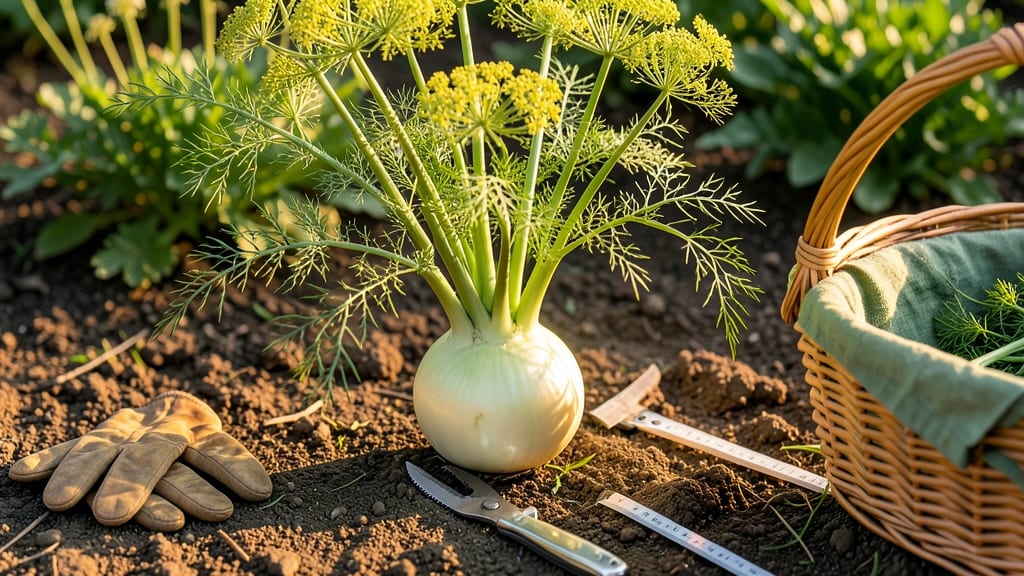
Harvest fennel bulbs when they reach 3 to 4 inches in diameter and the base swells noticeably—this is the sweet spot for crisp, flavorful harvests.
Harvesting fennel bulbs at the wrong time can turn your crisp, sweet reward into a woody, bitter disappointment—and most gardeners miss the window by a week or more.
The difference between a tender, juicy bulb and a tough, flavorless one comes down to timing, and I’ve learned the hard way that waiting too long ruins the whole harvest.
Look for three key signs: the bulb should feel firm when gently squeezed, the base should swell slightly, and the outer leaves may show a faint yellowing at the bottom.
These visual cues tell you the plant is ready to pull, ensuring you get the best flavor and texture for cooking.
Below, I’ll break down exactly how to test for ripeness, when to avoid harvesting, and how to store your fennel bulbs so they stay fresh for weeks. No more guesswork—just perfect fennel, every time.


3 Exact ripeness tests to harvest fennel bulbs at peak sweetness
Timing is everything when harvesting fennel bulbs—wait too long, and you’ll end up with a tough, bitter bulb instead of the crisp, sweet treasure you’re after. The key lies in watching for three visual and tactile cues that signal perfect ripeness.
These tests will help you avoid common mistakes like harvesting too early (when bulbs are still small and watery) or too late (when they become fibrous and pungent).
I’ve learned through years of growing fennel that bulb size, leaf color, and stem firmness are the most reliable indicators. Mastering these three tests will ensure you harvest at the ideal moment—when the bulb is large enough to use but still packed with flavor.
Let’s break down each test so you can confidently pull your fennel at peak sweetness.
-
1Bulb Size: Aim for a diameter of 3-4 inches. Measure the bulb at its widest point—any smaller, and it won’t have developed its signature sweetness.
-
2Leaf Color: Look for slight yellowing at the base of the fronds. The rest of the leaves should remain vibrant green, but this subtle shift means the bulb is ready.
-
3Stem Firmness: Gently squeeze the base of the bulb. It should feel firm, almost like a small turnip. If it’s soft or mushy, it’s not ready yet.
For the bulb size test, I recommend using a ruler or tape measure to check the diameter. Fennel bulbs grow quickly, so I check mine every 5-7 days once they start swelling.
If you’re growing multiple plants, harvest the largest bulbs first—they’ll reach readiness slightly earlier than smaller ones. Remember, fennel bulbs won’t sweeten up after harvest, so timing is critical.
The leaf color test is often overlooked, but it’s one of the most reliable indicators. When the outer fronds near the base turn a pale yellow, it’s a clear sign that the bulb is maturing.
However, be cautious—if the entire plant turns yellow, it’s a sign of stress or overripeness. At this stage, the bulb may already be developing a woody texture, which is harder to eat raw.
When testing stem firmness, avoid pressing too hard—you want to feel resistance, not crush the bulb. A firm base means the bulb has developed its signature crunch and sweetness.
If the stem feels hollow or the bulb gives slightly under pressure, it’s a sign that the plant is past its prime. This is especially important in hot climates, where fennel can bolt (flower) prematurely, making the bulb tough and bitter.
One common mistake I see is harvesting fennel when it’s still too small. Bulbs under 2 inches in diameter lack the sweetness and texture you’re after. They’ll be watery and bland, no matter how fresh they look.
On the flip side, waiting too long can turn your fennel into a fibrous, pungent disappointment. The sweet spot is that 3-4 inch range, where the bulb is large enough to use but still tender.
Climate plays a big role in these tests. In cooler regions, fennel may take longer to reach harvest size, so be patient and monitor the tests closely. In warmer climates, the process speeds up, and you might need to harvest sooner to avoid bolting.
I’ve found that fennel grown in USDA Zone 7 or higher often matures faster, so I adjust my harvesting schedule accordingly.
If you’re unsure whether your fennel is ready, perform all three tests together. A bulb that passes two out of three tests is likely close to perfect—harvest it and taste it to confirm. If it’s still too mild or watery, leave it a few more days.
The goal is to harvest when the bulb is at its peak sweetness and texture, not when it’s convenient for you.
Pro tip: Harvest fennel bulbs on a dry, sunny morning. This gives the plants time to recover and prevents soil-borne diseases from spreading. After harvesting, trim the fronds to about 1 inch above the bulb to remove any potential entry points for pests.
Store the bulbs in a cool, dark place for up to a week, or refrigerate them for longer storage.
With these three ripeness tests, you’ll never miss the perfect moment to harvest fennel again. The next time you’re standing in your garden, take a moment to check the bulb size, leaf color, and stem firmness.
Your taste buds—and your dinner guests—will thank you for that crisp, sweet fennel bulb! 🌿
How to harvest fennel bulbs without damaging future growth
Once your fennel bulb reaches the perfect 3 to 4 inch diameter, it’s time to harvest—but the method matters just as much as timing. Pulling too early stunts growth, while waiting too long turns the bulb woody and bitter.
The key is to use the right technique to preserve the plant’s health while ensuring your harvest stays fresh.
I’ve found that cutting fennel bulbs at the base is gentler than pulling, especially if you plan to let the plant continue producing smaller bulbs or seeds. This method minimizes root damage and allows the plant to recover for future harvests.
For a final harvest, you can pull the entire plant, but I’ll show you how to do it without uprooting aggressively.
Step-by-Step Harvesting Guide
- Step 1: Choose a dry morning after dew has evaporated. This reduces soil clinging to the bulb and prevents rot during storage.
- Step 2: Use a sharp knife to cut the bulb 1 inch above the base. This leaves enough stem to support future regrowth.
- Step 3: For partial harvests, avoid cutting more than 30% of the bulb at once. Let the plant recover for 2-3 weeks before harvesting again.
- Step 4: If harvesting the entire plant, grip the base firmly and pull gently upward while wiggling slightly. Avoid twisting to prevent breaking the bulb.
- Step 5: Shake off excess soil and trim any yellowed leaves or damaged stems. Save healthy green fronds for cooking or drying.
- Step 6: Let harvested bulbs air-dry in a shady, well-ventilated area for 1-2 hours before storing to prevent moisture buildup.
After harvesting, store fennel bulbs in the crisper drawer of your refrigerator, wrapped loosely in a paper towel. This mimics the humidity they’d get in a root cellar while allowing airflow to prevent spoilage.
With proper storage, your fennel bulbs should stay crisp and flavorful for 2-3 weeks, though I’ve had mine last up to 4 weeks if stored carefully.
If you’re harvesting fennel for seed production, allow some plants to bolt and flower. Once the seeds turn brown and dry, cut the seed heads and hang them upside down in a paper bag to collect seeds.
This ensures you have fennel for next year’s garden while still enjoying fresh bulbs from other plants.
Remember, fennel plants are perennial in warm climates (zones 8-10), so proper harvesting techniques can extend their productivity for years. Even in colder regions, treating your fennel with care ensures a bountiful harvest season after season.