
How To
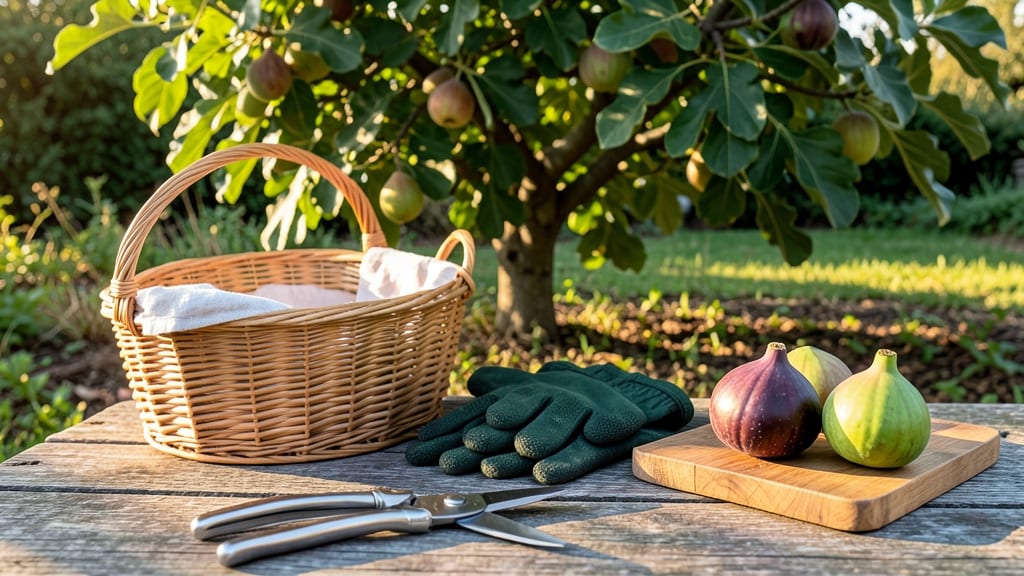
Figs ripen when they soften slightly, deepen in color, and feel heavy for their size—timing your harvest this way means the difference between jammy sweetness and bland disappointment.
Picture this: You’ve waited months for your 🍈 to swell, only to pick one that’s still hard or tastes mealy. The frustration? It’s avoidable with just a few simple cues—color, texture, and even a gentle squeeze can tell you exactly when to harvest.
In Zone 6, figs typically ripen between August and October, but variety matters. Some types like Brown Turkey ripen early, while Celestial stays on the tree longer.
Below, I’ll break down the exact signs to watch for, regional tweaks, and the one mistake that turns your crop into bird snacks.
You’ll learn how to spot the perfect fig, adjust for your climate, and even troubleshoot common pitfalls—so you can go from guessing to harvesting like a pro in no time.


How to tell when figs are ripe using color, texture, and taste
Figs are one of nature’s sweetest rewards when picked at the perfect ripeness. Unlike many fruits, they don’t continue ripening after harvest, so timing is everything.
The key lies in three simple clues: color shifts, texture changes, and a quick taste test. Ignore size or sunlight exposure—those don’t guarantee ripeness!
Most gardeners focus on color changes first, but texture and taste are equally important. A ripe fig’s skin softens slightly when pressed (like a ripe peach) but won’t feel mushy. The stem near the fruit also dries out and may brown—this is your best visual cue for harvest readiness.
Let’s break down each method so you’ll never miss the window again.
| Ripeness Cue | What to Look For | Action to Take |
|---|---|---|
| Color Change | Green → Deep purple, brown, or yellow (varies by variety) | Check daily once figs start coloring |
| Texture Test | Skin yields slightly when pressed (not mushy) | Gently squeeze—ripe figs feel "soft but firm" |
| Stem Dryness | Stem near fruit browns/dries out | Twist gently—if it separates easily, it’s ready |
| Taste Test | Sweet, jammy flavor (no bitter aftertaste) | Sample one fig—if perfect, harvest nearby fruit |
| Size Misconception | Large but hard = not ripe | Ignore size—focus on color/texture instead |
The color shift is your first clue, but don’t rely on it alone. For example, Brown Turkey figs turn deep purple, while Celestial varieties develop a golden-yellow hue. Pro tip: Use a white sheet of paper as a backdrop to spot subtle color changes against green foliage.
Next, perform the squeeze test. A ripe fig’s skin should yield slightly under gentle pressure—like pressing your thumb into a ripe avocado. If it feels rock-hard, it’s not ready. If it’s mushy or leaves an indentation, it’s overripe.
The stem test is equally telling: twist the fig gently at its base. If it separates cleanly with a slight pop, it’s harvest-ready.
Taste is the final judge. Cut open a fig and check for jammy sweetness with no bitter aftertaste. If it’s bland or mealy, wait a day or two.
Remember: figs won’t ripen further after picking, so taste-testing is critical. For overripe figs, birds and squirrels will beat you to them—act fast!
Sunlight exposure is a common misconception. Figs ripen based on internal maturity, not just sun. A fig in full shade might still ripen if it’s developed properly, while a sun-drenched fig can stay hard and green if it’s not ready. Always prioritize color, texture, and taste over location.
One trick I use is the "first fruit rule": once the first fig on a branch ripens, check nearby fruit daily. Figs on a single tree often ripen in waves, so harvest in batches every 2–3 days.
Store ripe figs in the fridge for up to 5 days to slow further softening. For long-term storage, freeze them whole or dried.
If you’re growing figs in cooler climates (USDA Zones 6–7), expect a shorter harvest window. Figs may ripen 2–3 weeks earlier than in warm zones. In Zone 8+, you might get two harvests per year: one in summer and another after heat waves.
Always adjust your timing based on your local climate.
Finally, avoid these harvest traps: assuming bigger size means ripeness (it doesn’t), waiting until the fig falls off (it’ll rot), or picking based on calendar dates.
Figs ripen on their own schedule—trust the color, texture, and taste cues instead. With practice, you’ll develop an instinct for the perfect moment to harvest.
🍈
Fig variety harvest times: when to pick common types like Brown Turkey, Chicago Hardy, and Celestial
Timing your fig harvest correctly ensures you enjoy sweet, flavorful fruit instead of bland or overripe disappointment. Different varieties ripen at distinct times, and your local climate plays a huge role in scheduling.
For example, Chicago Hardy thrives in cooler regions, while Celestial loves heat and may ripen weeks earlier in Southern climates than in Northern gardens.
In USDA Zone 6, most figs ripen between late August and October, but varieties like Brown Turkey can start as early as mid-July in warm microclimates. Understanding these windows helps you plan for peak harvests and avoid missing the sweet spot when figs are at their best.
🌱 Comparison Table: Harvest Times for Popular Fig Varieties
| Variety | Climate Zone | Harvest Window | Key Ripeness Cues |
|---|---|---|---|
| Brown Turkey | Zones 5-9 | Mid-July to Sept | Skin turns deep purple-brown, softens slightly, stem dries |
| Chicago Hardy | Zones 3-8 | Late Aug to Oct | Skin turns rosy-purple, firm but yields to gentle pressure |
| Celestial | Zones 7-11 | June to Aug | Skin turns golden-yellow, softens easily, heavy for size |
| Osborn Prolific | Zones 6-10 | Late July to Sept | Skin turns deep purple, stem separates cleanly when twisted |
If you live in a cooler climate, varieties like Chicago Hardy and Desert King are excellent choices—they ripen later and handle frost better. In hotter regions, Celestial and Violette de Bordeaux thrive, often producing fruit as early as June if planted in full sun.
Pro tip: In Zone 6 or colder, harvest Brown Turkey figs before the first frost—even if they’re not fully ripe. You can finish ripening them indoors on a sunny windowsill. Celestial figs, however, should never be picked early—they won’t ripen properly off the tree.
Always check for bird activity too. If figs are disappearing overnight, harvest them slightly earlier than peak ripeness to avoid losing your crop. A light frost warning is your cue to pick everything remaining, even if not perfectly ripe.
For maximum flavor, harvest in the morning after dew has dried. This ensures the fruit is at its sweetest and least prone to bruising. Store unripe figs in a paper bag with an apple to speed up ripening naturally.