
How To
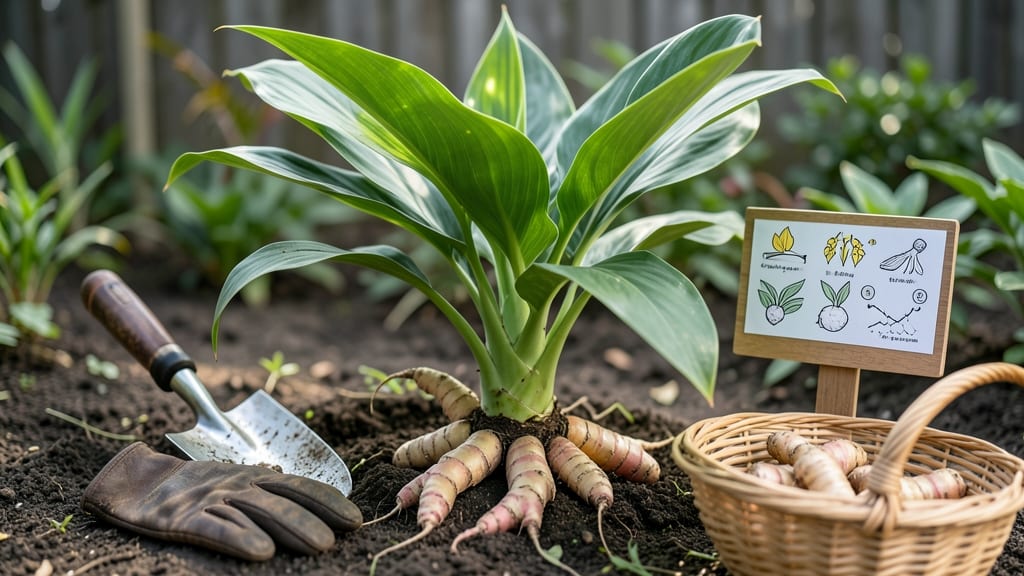
Harvesting ginger at the right time means the difference between tender, flavorful rhizomes and tough, bitter ones 🌿 — and the key is knowing when those knuckles are ready to pull.
Picture this: your ginger plants are thriving, but if you wait too long, the rhizomes harden and lose their sweetness. Too early, and you’ll end up with undersized tubers.
The perfect moment arrives when the leaves start yellowing and the rhizomes feel plump to the touch — usually 9 to 11 months after planting.
But timing isn’t one-size-fits-all. In warmer climates, ginger may mature faster, while cooler zones like USDA Zone 6a could stretch the season. Below, I’ll walk you through the visual cues, seasonal adjustments, and storage tips to ensure your harvest is nothing short of exceptional.
You’ll learn how to spot the ideal harvest window, avoid common mistakes, and even balance freshness with long-term storage — so every tuber you pull from the ground is a winner.


How to identify the perfect harvest time for ginger tubers
Harvesting ginger at the right moment ensures you get those plump, aromatic rhizomes packed with flavor. The key lies in watching for three critical signs: leaf color changes, rhizome size, and root development.
When these cues align—usually after 9 to 11 months—you’ll know your ginger is ready to harvest. Missing this window means tough, fibrous tubers that lack the sweetness gardeners love.
First, focus on the leaves as your early warning system. Healthy green foliage signals growth, but when the leaves start turning yellow and wither, it’s time to dig deeper.
This natural die-back isn’t a sign of poor health—it’s your ginger’s way of telling you the rhizomes below are maturing. Pair this with plump, knuckle-sized tubers (about 2–4 inches in diameter) for the perfect harvest.
| Harvest Cue | Description | Action |
|---|---|---|
| Leaf Color | Leaves turn yellow and wither naturally | Check rhizomes for size and firmness |
| Rhizome Size | 2–4 inches in diameter, knuckle-sized | Dig carefully to avoid damaging tubers |
| Root Development | Skin is smooth and easy to peel | Harvest before first frost in colder climates |
| Seasonal Timing | 9–11 months after planting (varies by variety) | Tropical zones: year-round; temperate: late fall |
Seasonal timing plays a huge role in ginger’s harvest readiness. In tropical climates, ginger can be harvested year-round, but the peak flavor window often falls during the cooler months.
For gardeners in temperate zones, aim to harvest before the first frost—typically in late fall—when the foliage begins its natural decline. This timing ensures your rhizomes are fully matured but haven’t yet started to degrade from cold exposure.
Don’t rely solely on the calendar—rhizome texture is your best indicator. At harvest time, the tubers should feel firm yet yielding to gentle pressure, like a ripe avocado. If they’re hard and woody, they’ve passed their prime.
Conversely, if they’re still small and rubbery, give them a few more weeks. The skin should also be smooth, not rough or difficult to peel, which is another telltale sign of readiness.
One common mistake is harvesting ginger too early for storage purposes. While early harvests (smaller tubers) are perfect for immediate use in recipes, they won’t store as well. For long-term storage, wait until the rhizomes are fully developed—even if the leaves have mostly died back.
This ensures a hardier, longer-lasting crop that keeps well in a cool, dry place for months.
When you’re ready to harvest, use a sharp garden fork or spade to gently loosen the soil around the plant. Lift the rhizomes carefully, shaking off excess dirt to inspect for size and quality.
Look for any tubers that are underdeveloped or damaged—these can be set aside for immediate use while saving the best ones for storage. Pro tip: Harvest on a dry, overcast day to reduce stress on the plant and speed up curing.
After harvesting, let the ginger cure in a warm, dry place for about 1–2 weeks. This process enhances flavor and extends shelf life. Bundle the rhizomes and hang them in a well-ventilated area, away from direct sunlight, to dry completely.
Once fully cured, store them in a cool, dark place like a pantry or root cellar, where they’ll keep for several months.
Climate matters when planning your harvest. In humid tropical regions, ginger may take longer to mature, while cooler temperate zones often see faster development. Pay attention to your local frost dates and adjust your harvest timeline accordingly.
For example, in USDA Zone 6a, aim to harvest by late October to avoid frost damage, whereas in Zone 10, you might harvest year-round with careful monitoring.
Finally, remember that patience pays off with ginger. Rushing the harvest can leave you with bland, fibrous rhizomes, while waiting too long risks losing your crop to frost or disease.
By keeping an eye on the leaves, rhizome size, and seasonal cues, you’ll consistently harvest ginger at its peak—juicy, fragrant, and ready for the kitchen. 🌿
Ginger harvesting mistakes that ruin your crop (and how to avoid them)
Harvesting ginger at the wrong time can turn your hard work into disappointment—tough, fibrous rhizomes that lack flavor or even rot before you can use them. I’ve seen gardeners rush the harvest only to end up with undersized, bitter tubers that don’t compare to store-bought quality.
The key is avoiding common pitfalls that degrade your crop’s flavor, texture, and storage life.
One of the biggest mistakes is harvesting too early, when the rhizomes are still small and hard. You might think they’ll grow bigger after pulling, but once you dig them up, their development stops.
Waiting too long, on the other hand, leads to woody, dry tubers that lose their signature spicy-sweet aroma. Timing isn’t just about days—it’s about visual and tactile cues that tell you the moment is right.
Another critical error is overwatering before harvest. While ginger loves moisture, soggy soil right before digging can cause the rhizomes to split or rot. I’ve had to salvage split tubers by drying them immediately, but prevention is always better.
Similarly, harvesting after a heavy rain can turn your soil into mud, making it nearly impossible to extract clean, intact rhizomes.
⚠️ When to Harvest Ginger: The Critical Window
Harvest ginger when 50-70% of the foliage turns yellow and starts dying back. This usually happens 9 to 11 months after planting, but climate matters—warmer zones may mature faster. Wait until the rhizomes are 2-4 inches in diameter and feel plump to the touch. If you harvest too soon, you’ll get small, hard tubers; too late, and they’ll turn woody and dry.
Improper storage is another silent killer of ginger quality. Many gardeners dig up their harvest and toss it into a damp basement or fridge, only to find moldy rhizomes weeks later. Ginger needs dry, warm, and well-ventilated conditions to stay fresh.
I cure my harvest by drying it in a shaded, airy spot for 1-2 weeks before storing—this removes moisture and prevents rot. Skipping this step can turn your perfect harvest into a soggy mess.
Don’t forget about soil and temperature stress before harvest. If your ginger plants experience sudden cold snaps or drought, the rhizomes may develop off-flavors or become stunted. I always monitor my plants’ health leading up to harvest, ensuring they’re thriving with consistent moisture and partial shade.
Stress weakens the plant and can lead to poor-quality tubers.
Finally, using the wrong tools can damage your crop. A sharp spade or garden fork is essential for clean extraction. Dull tools crush rhizomes, making them prone to rot.
I recommend digging gently around the plant to loosen the soil first, then lifting the entire clump to avoid breaking the delicate tubers. Proper handling ensures your harvest stays intact and ready for storage or immediate use.
By avoiding these common mistakes—harvesting at the right time, curing properly, and handling with care—you’ll transform your ginger crop from good to exceptional. The difference between a mediocre harvest and a flavorful one often comes down to these small but critical steps. 🌱