
How To
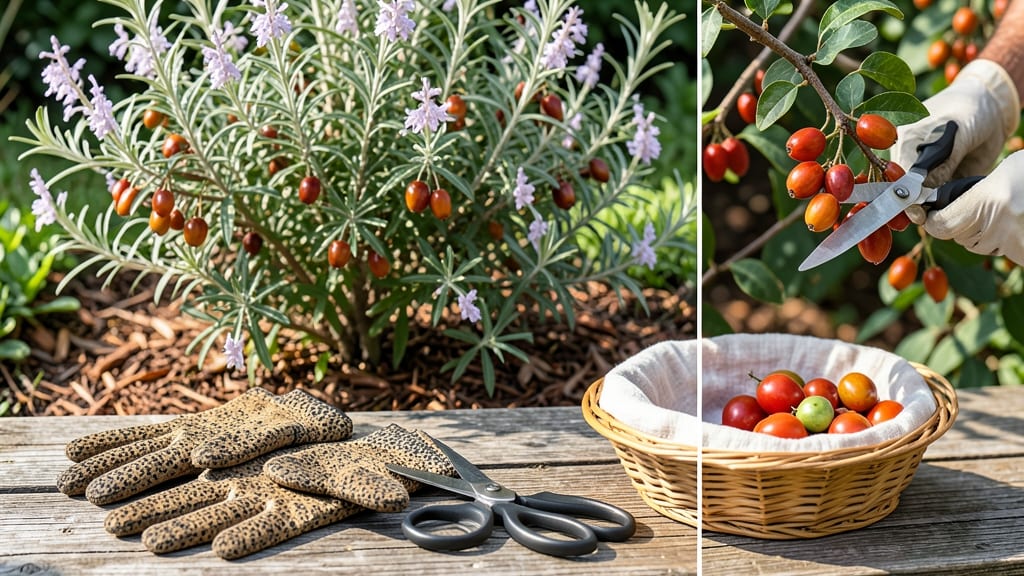
Harvest goji berries when they shift from green to bright orange-red 🍇 — timing this color change right is the key to sweet, juicy fruit.
Picture this: you’ve waited months for your goji berry shrub to fruit, and now the berries are plump but still green. One week later, they’re deep purple-black and mushy. That’s the difference between a perfect harvest and wasted effort.
Beyond color, there’s a simple trick called the stem twist test that tells you exactly when to pick. I’ll walk you through that, plus the best time of day to harvest and how climate zones shift your window from late summer to early fall.
By the end, you’ll know not just when to harvest, but how to spot the ideal moment every time—no guesswork, just flavor-packed berries ready for drying or snacking.


How to identify goji berries ready for harvest by color and size
Harvesting goji berries at the perfect moment ensures peak sweetness and optimal texture. The key lies in watching for two critical visual cues: color transformation and berry size. When these factors align, you'll know your berries are ready to pick for the best flavor and nutritional benefits.
Goji berries start their life as green buds that gradually transition through shades of orange and red before reaching their final deep purple-black hue. This color shift isn't just about aesthetics—it's a clear indicator that the berries have developed their signature sweet-tart flavor profile.
Size also plays a crucial role, with ideal berries measuring between 0.5 to 1 inch in diameter.
| Ripeness Stage | Color | Size | Texture | Detachment | Flavor |
|---|---|---|---|---|---|
| Unripe | Green | <0.5 inch | Hard | Firmly attached | Bitter |
| Partially Ripe | Orange-Red | 0.3-0.5 inch | Firm | Slightly loose | Tart |
| Perfectly Ripe | Deep Purple-Black | 0.5-1 inch | Plump, firm | Easily detaches | Sweet-Tart |
| Overripe | Dark Purple-Black | >1 inch | Soft | Falls easily | Mushy, bitter |
The color transition from orange-red to deep purple-black is your most reliable indicator. Start checking berries in late summer when they begin turning orange. At this stage, they're still tart and firm. As they darken to purple-black, their sugar content increases dramatically, transforming that tartness into a balanced sweet-tart flavor.
For size verification, use your thumb and index finger to gently measure berries. The ideal 0.5 to 1 inch range ensures they've developed full flavor without becoming overripe. Smaller berries (under 0.5 inch) often lack sweetness, while larger ones (over 1 inch) tend to be seedy and less flavorful.
This size window also corresponds with the berries' peak nutritional content.
Pay attention to the stem attachment point as well. When goji berries are perfectly ripe, they'll detach easily with a gentle twist or tug. This is a crucial test because it indicates the berry's cell structure has reached its ideal balance between firmness and ripeness.
If berries resist detachment, they're likely still immature.
In cooler climates (USDA zones 5-6), monitor berries more frequently as they may ripen faster due to shorter growing seasons. Conversely, in warmer zones (7-9), you might see a more gradual color change.
Always harvest on dry, sunny mornings to preserve berry quality and make the picking process easier.
One common mistake is waiting until berries turn completely black before harvesting. While this might seem like the final stage, these overripe berries often develop a mushy texture and lose their sweetness.
The perfect moment is when berries are deep purple-black with just a hint of shine—this indicates they're at their flavor peak.
To test for ripeness without damaging the plant, select a few berries from different branches. Compare their color consistency across the plant. If most berries show the deep purple-black hue and meet the size requirements, it's time to harvest.
Remember, goji berries don't ripen further after picking, so timing is everything for maximum enjoyment.
Pro tip: Use a small mesh bag or container when harvesting to avoid bruising the delicate berries. This simple precaution helps maintain their quality and extends their shelf life.
Once harvested, store goji berries in the refrigerator for up to one week or dry them for long-term storage to preserve their unique flavor profile.
The stem twist test: a pro gardener’s secret for perfect timing
If you’ve ever wondered how to harvest goji berries at their peak sweetness without guessing, the stem twist test is your game-changer. This simple method helps you avoid bitter berries or premature harvesting, ensuring you pick fruit at its juiciest.
Unlike color alone—which can be misleading—I’ve found this test works even when berries look ripe but aren’t quite ready.
The beauty of the stem twist test is that it doesn’t damage the plant if done gently. It’s a non-invasive way to confirm ripeness, especially useful when berries are clustered and color varies.
I’ve used this trick for years, and it’s saved me from harvesting underripe or overripe berries that ruin dishes or teas.
Here’s how to perform the test in just three simple steps, plus common mistakes to avoid:
Select a plump berry
Choose a bright orange-red berry that’s slightly larger than others. Avoid shriveled or pale berries—they’re likely underripe or diseased.
Gently twist the stem
Hold the berry between your thumb and forefinger and twist the stem slowly (don’t pull!). A ripe berry will detach cleanly with minimal resistance. If it snaps or resists, it’s not ready.
Check the stem’s reaction
If the stem twists off easily with a slight popping sound, the berry is perfect. If it tears or leaves a stub, wait 2–3 days and retest.
⚠️ Common Mistake: Twisting too hard can damage the plant. Use light pressure—think of it like unscrewing a jar lid, not prying off a bandage.
One critical tip I’ve learned is to test berries early in the morning. They’re firmer and more responsive after overnight hydration, giving you the most accurate results. Avoid testing after rain or heavy watering—the stems may detach too easily, tricking you into thinking berries are ripe.
Pro gardeners also recommend harvesting on dry, sunny mornings to prevent berries from cracking or molding. If you’re harvesting for drying, aim for berries that pass the twist test but haven’t yet turned deep purple-black.
Overripe berries lose sweetness and become woody or seedy, which is a shame after all your hard work!
With practice, the stem twist test becomes second nature. I now harvest my goji berries with confidence, knowing I’ve got the sweetest, juiciest fruit for teas, smoothies, or fresh snacking. Give it a try—your taste buds will thank you! 🍇