
Vegetables
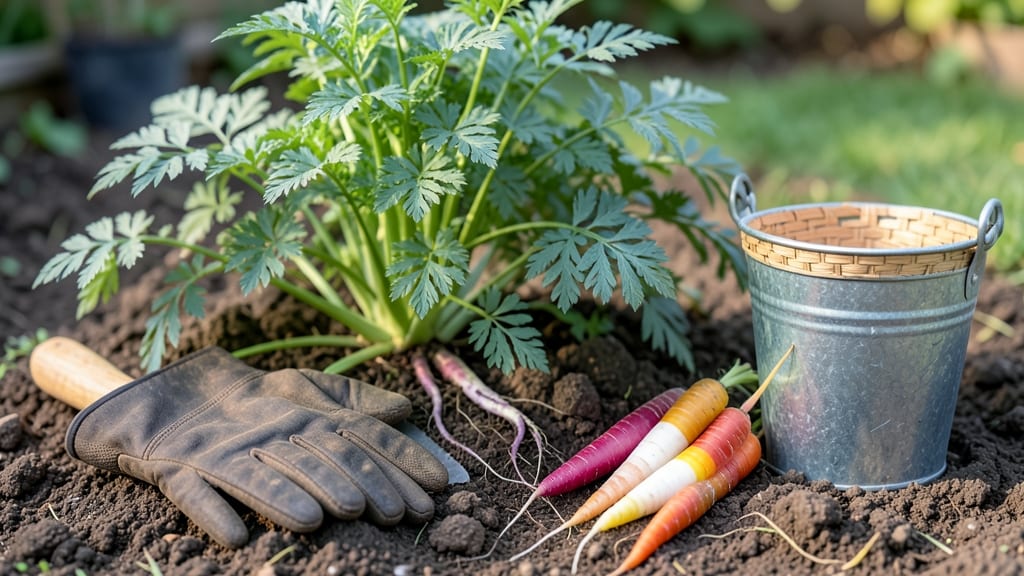
Harvesting rainbow carrots at the right time ensures sweet, tender roots packed with vibrant color and flavor—so timing is everything.
Picture this: you’ve nurtured your 🥕 rainbow carrots for weeks, and now the question looms—when is the perfect moment to pull them? Too soon, and they’re undersized; too late, and they turn woody.
The secret lies in watching for three key signals: a deep, consistent color (those rainbow stripes should pop), roots reaching 1–2 inches in diameter, and leaves standing tall and lush.
But here’s the catch: climate and soil play a role too. In Zone 6a, spring-planted carrots hit peak harvest between June and July, while summer plantings are ready by October. A simple root snap test (gently tugging until it releases) confirms readiness—no guesswork needed.
From storage tips to avoiding common harvest mistakes, this guide breaks down everything you need to know for a flawless harvest. Let’s dig in!


How to tell when rainbow carrots are ready by color & size
Harvesting rainbow carrots at the perfect moment transforms your garden into a flavor explosion of sweet, tender roots. Unlike their orange counterparts, these colorful varieties develop vibrant hues—from deep purples to golden yellows—as they mature.
But how do you know when they're truly ready? The key lies in three visual cues: root diameter, color intensity, and leaf health.
Most rainbow carrots reach harvest readiness between 60-80 days after planting, but timing varies by variety. For example, 'Purple Haze' matures faster than 'Cosmic Purple'. The trick is watching for a diameter of 1-2 inches—any larger, and the texture can turn woody.
Meanwhile, the tops should stand 6-12 inches tall, with lush, dark green foliage.
Here’s the color shift to watch for: immature roots may appear pale or unevenly colored, but ready-to-harvest carrots develop bold, consistent stripes along their length. A deep purple or golden yellow indicates peak sweetness.
Ignore these cues, and you risk harvesting roots that are either too small (underdeveloped flavor) or too large (fibrous and tough).
| Harvest Cue | Ready Indicator | Action |
|---|---|---|
| Root Diameter | 1-2 inches | Harvest now for peak sweetness |
| Color Intensity | Vibrant, consistent stripes | Pull when stripes are bold and uniform |
| Leaf Maturity | 6-12 inches tall, lush green | Harvest before leaves yellow or bolt |
| Soil Resistance | Pulls easily with gentle tug | If stubborn, wait 1-2 days |
| Days to Maturity | 60-80 days (varies by variety) | Check seed packet for exact timing |
Don’t overlook the soil test—a simple tug on the carrot’s foliage can reveal readiness. If the root slips free with minimal resistance, it’s time to harvest. Resistance suggests the carrot needs 1-2 more days to soften.
Pro tip: Use a hand trowel to loosen soil around stubborn roots before pulling to avoid breaking them.
Seasonal timing matters too. In cool climates (USDA Zones 6a and below), aim to harvest rainbow carrots in late spring or early fall when soil temps stay between 50-70°F.
Heat waves can cause bolting (flowering), which makes roots bitter and woody. If your garden is in Zone 7 or higher, prioritize fall harvests to escape summer heat.
For storage purposes, harvest slightly smaller roots (1 inch diameter) to extend shelf life. Larger roots store well but may lose flavor faster. After harvesting, trim the tops to 1 inch and store in a cool, humid environment (32-40°F) for up to 3 months.
The key? Don’t wash until ready to use—moisture speeds up spoilage.
Common mistakes include harvesting based on days alone (varieties differ) or ignoring color cues. For instance, 'Rainbow Mix' may show purple stripes earlier than 'White Satin'.
Always cross-check size, color, and leaf health for foolproof results. When in doubt, harvest a test carrot—if it’s sweet and tender, the rest are ready!
Finally, embrace the rainbow effect—these carrots aren’t just pretty; they’re packed with antioxidants like anthocyanins (purple hues) and beta-carotene (orange). By mastering these visual cues, you’ll enjoy homegrown sweetness that’s far superior to store-bought. Happy harvesting! 🌈
The root snap test: a pro gardener’s secret for perfect timing
When your rainbow carrots hit that sweet spot between undersized and woody, the root snap test becomes your best friend. This simple trick reveals whether your roots are ready for harvest—or still need time to mature.
I’ve used it for years to avoid pulling carrots too early (and wasting my efforts) or too late (ending up with tough, stringy roots). The test takes just seconds but saves hours of guesswork.
Start by selecting a healthy-looking carrot with vibrant rainbow stripes and foliage that’s at least 6 inches tall. Gently grasp the carrot near the soil line and apply a firm, upward tug. If the root slips free with minimal resistance, it’s ready to harvest.
If it resists or snaps off cleanly above the soil, it needs more time. This method works best in loose, well-drained soil—compacted dirt can give false signals.
Timing matters for storage vs. fresh eating. For immediate use, harvest when roots reach 1–2 inches in diameter and pass the snap test. For long-term storage, wait until they’re slightly larger (2–3 inches) and the foliage starts to yellow naturally.
This extra size ensures they’ll keep well in cool, dark conditions for weeks. My rule of thumb? Harvest storage carrots in late fall (before hard frosts) or early spring for the best flavor and shelf life.
⚠️ Warning: Common Snap Test Mistakes
- Testing in hard soil: Compacted soil makes roots resist pulling, even if they’re ready. Loosen soil first with a fork.
- Ignoring foliage health: Yellowing or wilted leaves signal stress—not ripeness. Harvest only when tops are lush and green.
- Overestimating size: Rainbow carrots mature faster than standard varieties. Don’t wait for 3+ inches unless storing.
Pro tip: Test 3–5 carrots per patch to account for uneven growth.
For Zone 6a gardeners, the snap test aligns perfectly with seasonal cues. Spring-planted carrots typically pass the test by mid-June to July, while summer plantings are ready by late October.
I’ve found that harvesting in the early morning (when soil is moist) makes the test more accurate—roots pull cleanly without breaking. Avoid testing after heavy rain, as soggy soil can make roots seem ready when they’re not.
One mistake I’ve seen (even among experienced gardeners) is over-relying on days to maturity. While rainbow carrots usually take 60–80 days, soil temperature and moisture can shift that window by 10–14 days.
Always combine the snap test with visual cues: deep color, smooth texture, and no green shoulders (a sign of overgrowth). When all three align, you’ve got a winner.
After the test, handle harvested carrots with care. Shake off excess soil, trim the greens (leave 1 inch), and store them in a cool, humid environment (like a root cellar or crisper drawer).
For immediate use, enjoy them raw or roasted—just remember, the snap test doesn’t just tell you when to harvest; it guarantees sweet, tender perfection every time.