
How To
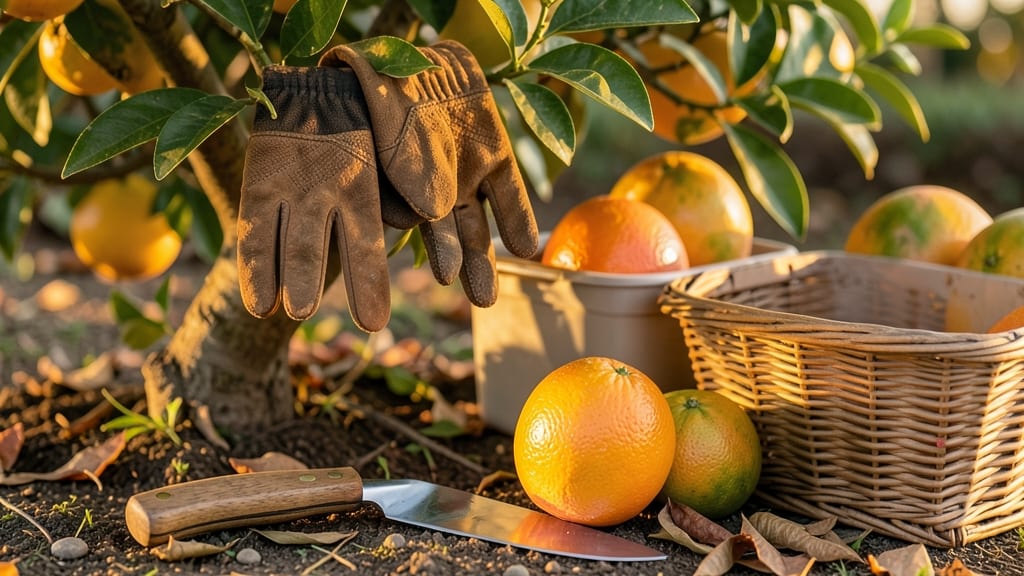
Harvesting grapefruit at the right time means the difference between a tart bite and a sweet, juicy reward—so timing is everything.
Picture this: you’ve waited months for your 🍊 grapefruit tree to bear fruit, only to pick a grapefruit that’s still sour or mealy. The good news? You don’t need a degree in citrus science to tell when grapefruit are ready—just a few simple tests.
From color shifts to stem resistance, I’ll show you exactly what to look for, plus how regional climate affects your harvest window.
In General (Tropical/Subtropical Regions), where grapefruit thrive year-round, the best harvest window spans October to January. But if you’re in a slightly cooler microclimate, even a few degrees can shift when your fruit reaches peak sweetness.
The key is knowing the three visual cues that guarantee ripeness—and avoiding the common mistakes that lead to wasted fruit.
By the end of this guide, you’ll confidently pluck grapefruit at their sweetest, store them properly, and even troubleshoot if they ripen too fast or too slow. No more guesswork, just perfect fruit every time.


3 Visual tests to determine grapefruit ripeness (color, stem, and skin)
Mastering the art of grapefruit ripeness starts with understanding three key visual cues: skin color, stem resistance, and fruit texture. Unlike some fruits that ripen off the tree, grapefruit must be harvested at peak maturity for the best flavor.
Overripe fruit becomes mealy and bitter, while underripe fruit lacks sweetness—so timing is everything. These simple tests will help you pick grapefruit at its juiciest, most flavorful stage.
First, focus on the skin color, which is the most obvious indicator of ripeness. Different grapefruit varieties develop distinct hues—Ruby Red turns deep pinkish-red, White grapefruit develops a pale yellow, and Pink varieties shift to a soft orange-pink.
The color change signals the fruit’s internal sugars have fully developed. However, color alone isn’t enough—you’ll need to combine it with the next two tests for accuracy.
Next, examine the stem attachment. A ripe grapefruit’s stem should twist off cleanly with a slight tug—almost like snapping a twig. If the stem resists or tears, the fruit isn’t ready. This test works because the stem’s connection weakens as the fruit matures, making it easier to separate.
Pro tip: Gently twist the stem between your thumb and forefinger to avoid damaging the tree’s branches.
Finally, press your fingertips into the fruit’s skin. Ripe grapefruit yields slightly under gentle pressure, like pressing a ripe avocado. If the skin feels hard and unyielding, the fruit needs more time on the tree.
Overripe fruit, on the other hand, may feel too soft or even wrinkled—this is a clear sign it’s past its prime. Balance is key here: the skin should give just enough to indicate ripeness without feeling mushy.
One common mistake is relying solely on skin color without checking the other two tests. For example, a grapefruit might look ripe but still feel hard—this usually means it needs more time on the tree.
Conversely, a fruit that looks perfect but has a stem that won’t budge is likely underripe. Always test all three cues to ensure you’re harvesting at the ideal moment.
Regional climate plays a role in ripening too. In warmer zones (9b-11), grapefruit may ripen earlier, while cooler microclimates could delay maturity. If you’re in a transitional zone, monitor your fruit closely and be prepared to harvest a few days earlier than expected.
A sudden drop in temperature can also signal it’s time to pick, as cold weather can stunt further ripening.
For container-grown grapefruit trees, ripeness tests are even more critical since these trees often produce smaller fruit. The same color, stem, and texture rules apply, but pay extra attention to the fruit’s weight.
Container-grown grapefruit may feel lighter due to limited root space, so a slightly softer texture might still indicate ripeness. Always harvest gently to avoid damaging the tree’s delicate branches.
Once you’ve confirmed ripeness, handle the fruit with care. Place harvested grapefruit in a well-ventilated cardboard box or mesh bag to prevent bruising. Store them at room temperature for up to a week, or refrigerate for longer storage.
Avoid washing until ready to eat—moisture can speed up spoilage. With these tests mastered, you’ll never pick a grapefruit too early or too late again!
Pro tip: If you’re unsure, cut one grapefruit open to check the flesh color and seed development. Ripe grapefruit should have a vibrant interior with fully developed seeds—no need to wait if this is what you see. Happy harvesting!
Best harvesting methods: hand-picking vs. tree-shaking techniques
Once your grapefruit shows all the right signs of ripeness, the next challenge is harvesting them without damaging the fruit or stressing the tree. The method you choose—hand-picking or tree-shaking—depends on the tree's size, fruit accessibility, and your comfort level with heights.
Both techniques have their place, but timing and gentleness are key to preserving quality.
For small trees or single fruit on low branches, hand-picking is the safest bet. This method gives you full control over how you handle each grapefruit, reducing the risk of bruising.
It’s also ideal when you’re harvesting just a few fruits for immediate use, like making fresh juice or enjoying a snack. Just be prepared to climb or use a sturdy ladder if the fruit is out of reach.
- Fruit on low branches (<5 ft high)
- Single or few fruits needed at once
- Delicate varieties prone to bruising
- Mature trees with dense canopies (hard to shake)
- Large harvests (dozens of fruits)
- Tall trees (>10 ft high)
- Mature fruit fully ripe and ready
- Dwarf varieties with accessible branches
If you’re dealing with a tall tree or a heavy crop, tree-shaking can save time and effort. This method involves gently shaking the branches to dislodge ripe fruit, often using a long pole or even your hands if the branches are within reach.
The key here is gentleness—avoid aggressive shaking, which can bruise fruit or damage the tree. Start with smaller branches and work your way up to avoid overwhelming the tree.
After harvesting, inspect each grapefruit for any signs of damage or bruising. Discard any fruit that feels soft or shows dark spots, as these are signs of overripeness or spoilage. Store the rest in a cool, shady place for short-term use or refrigerate them to extend their shelf life.
Remember, grapefruit continues to ripen slightly after harvest, so don’t rush to eat them immediately if they’re not fully ripe.
Pro tip: If you’re unsure about the ripeness of a grapefruit you’ve just harvested, let it sit at room temperature for a day or two. This can help it reach peak sweetness, especially if it was picked slightly early.
Just avoid leaving it out for too long, as grapefruit can overripen quickly once off the tree.
Whether you choose hand-picking or tree-shaking, the goal is the same: harvest your grapefruit with care to enjoy the sweetest, juiciest fruit possible. With the right technique, you’ll minimize damage and maximize the rewards of your citrus tree’s hard work.