
How To
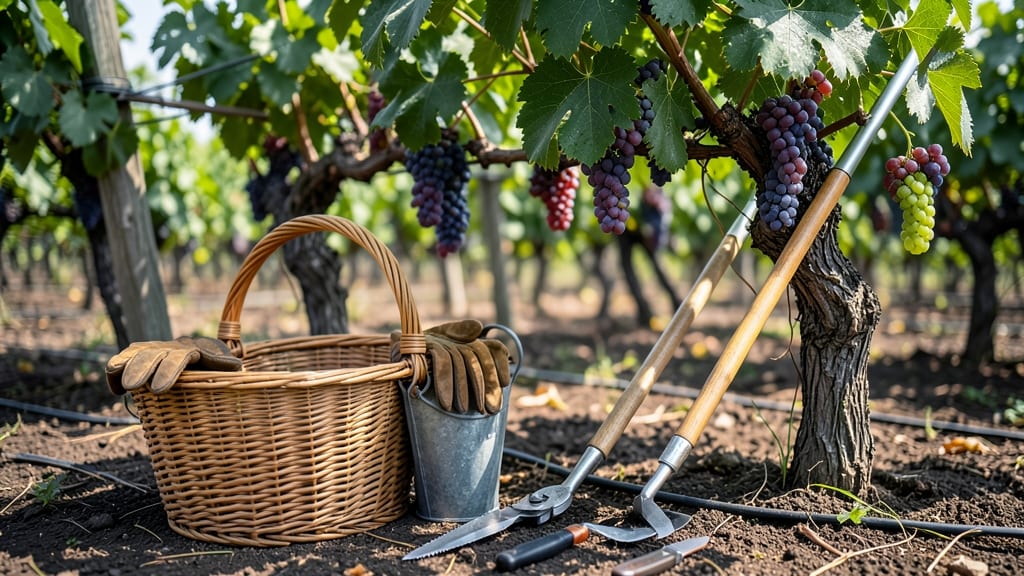
Harvesting grapes at the right time means the difference between sweet, juicy perfection and tart, underripe disappointment—and the key is knowing when to pluck them from the vine.
Picture this: you’ve waited all season for your 🍇 grapes to ripen, only to bite into one that’s still sour or mealy. That’s the moment you realize timing matters more than you thought.
Whether you’re growing table grapes or wine varieties, missing the window can mean wasted effort—or worse, a batch that won’t store well. The good news? With a few simple tests, you can lock in that perfect moment every time.
Most grape varieties ripen between August and October, but the exact date depends on your climate and the type of grape. In USDA Zone 6a, for example, early varieties like Thompson Seedless might be ready by late summer, while later ones like Concord could stretch into fall.
The trick is watching for visual cues—color, size, and even how easily they detach from the stem—along with a quick taste test to check sugar levels.
In this guide, I’ll walk you through three foolproof tests to determine ripeness, plus tips for adjusting harvest times based on your local weather. By the end, you’ll never second-guess when to pick again—just sweet, flavorful grapes ready to enjoy or preserve.


3 Visual and tactile tests to determine grape ripeness
Harvesting grapes at the perfect moment transforms your vineyard into a sweet, flavorful success—or a bitter disappointment. The key lies in combining visual cues, tactile feedback, and science-backed tools to pinpoint ripeness. Unlike many fruits, grapes don’t all ripen at once, so you’ll need to check clusters individually.
I’ve used these three methods for years to guarantee the sweetest harvest, whether I’m growing Thompson Seedless for snacking or Cabernet Sauvignon for wine.
First, understand that grapes ripen from the inside out. A grape that looks perfect on the outside might still taste tart if the sugar content and acidity balance aren’t right. That’s why relying on just one test—like color—can lead to mistakes.
Instead, I combine all three tests below to confirm ripeness. This approach works for table grapes, wine grapes, and even raisin varieties, though their ideal harvest times differ slightly.
Here’s how to apply these tests in your garden, with step-by-step guidance to avoid common pitfalls like overharvesting or missing the sweet spot. Grab a refractometer (or a simple taste test) and let’s dive into the science of grape ripeness.
- 1 Color Consistency Test: Check for deep, uniform color across the cluster. Green or pale grapes aren’t ready, while fully colored skins (purple, red, or green) signal ripeness. For red grapes, look for a rich hue with no green undertones.
- 2 Sugar Content Test: Use a refractometer (or taste test) to check Brix levels. Ideal ranges: 18-22 Brix for table grapes, 22-24 Brix for wine grapes. If it’s below 16, wait 3-5 days and retest.
- 3 Seed Darkness Test: Squeeze a grape gently—if the seeds turn dark brown or black, it’s ripe. Light-colored seeds mean the grape needs more time. This test works best for seed-bearing varieties like Concord or Niagara.
Let’s start with the easiest test: color consistency. Grapes change color as they ripen, but not all varieties follow the same timeline. For example, Thompson Seedless grapes turn from green to golden-yellow, while Concord grapes deepen to a rich purple.
The key is consistency—if some grapes in the cluster are still pale, wait a few days. I once harvested a batch of Crimson Seedless too early because I missed the uneven color, and they tasted bland for a week afterward.
Next, let’s talk about sugar content, which is where the refractometer comes in handy. This tool measures Brix levels, or the sugar concentration in the grape juice. For table grapes, aim for 18-22 Brix. If your grapes read lower, they’ll taste tart and underripe.
Wine grapes, however, often need higher sugar levels—22-24 Brix—to develop the right balance of sweetness and acidity. Pro tip: Test grapes in the late afternoon when sugar levels peak due to photosynthesis.
If you don’t have a refractometer, a simple taste test works in a pinch. Pop a grape in your mouth—if it’s sweet with just a hint of tartness, it’s ready. If it’s overly tart or bland, wait another day or two.
I’ve found that early morning grapes taste more acidic because they haven’t had time to warm up in the sun, so always test in the afternoon. For wine grapes, you’ll also want to check acidity levels using pH strips, but that’s a deeper dive for another guide.
The seed darkness test is a tactile trick that never fails me. Simply squeeze a grape between your thumb and forefinger—if the seeds inside turn dark brown or black, the grape is ripe. Light-colored seeds mean it’s not ready yet.
This test is especially useful for seed-bearing varieties like Concord or Niagara grapes. I’ve used this method for years, and it’s saved me from harvesting underripe clusters more times than I can count. It’s also a great way to check ripeness without damaging the grape.
Now, let’s address a common question: What if my grapes pass all three tests but still taste off? This usually happens when the weather plays a role. Cool, cloudy summers slow ripening, while hot, dry conditions can speed it up.
If your grapes are ripe but taste bland, they might need a few more days of sun. On the other hand, if they’re overly tart, they might have been stressed by drought or fungal pressure.
In my experience, consistent watering and morning harvests (to avoid heat stress) make a huge difference in flavor.
Finally, remember that harvest timing varies by variety and climate. In cooler regions, grapes might ripen later in the season, while hotter climates can push harvests earlier. Always adjust your tests based on local conditions.
For example, Cabernet Sauvignon grapes in California might be ready in late August, while the same variety in New York could wait until October. Keep a garden journal to track ripening patterns year after year—it’s a game-changer for nailing the perfect harvest.
With these three tests—color, sugar content, and seed darkness—you’ll never second-guess your grape harvest again. Grab your refractometer, do a taste test, and trust your hands. Your future grape jams, wines, and snacks will thank you.
Best harvest times for common grape varieties (table grape vs. wine grape)
Harvesting grapes at the perfect moment ensures maximum sweetness and flavor, but timing varies dramatically between table grapes (like Thompson Seedless) and wine grapes (such as Cabernet Sauvignon). Climate plays a huge role—warmer regions may harvest 2-4 weeks earlier than cooler areas.
For example, Thompson Seedless in California peaks in late August to early September, while the same variety in USDA Zone 5 might wait until mid-September.
Wine grapes like Cabernet Sauvignon and Merlot often ripen 2-3 weeks later than table grapes due to their higher acidity and tannin needs. Pinot Noir, a delicate variety, requires precise timing—harvest too early, and you lose aromatic complexity; too late, and the grapes become mushy.
Always adjust for local frost dates and temperature trends to avoid losing your crop to unexpected cold snaps.
| Variety | Type | Optimal Harvest Window | Climate Adjustment | Key Ripeness Cue |
|---|---|---|---|---|
| Thompson Seedless | Table Grape | Late Aug - Early Sept | +2 weeks in cold climates | Deep golden color, easy stem snap |
| Concord | Table/Wine Hybrid | Mid-Sept - Early Oct | -1 week in heatwaves | Purple-black, firm but yielding |
| Cabernet Sauvignon | Wine Grape | Late Sept - Oct | +3 weeks in cool zones | Deep blue-black, 22-24° Brix |
| Merlot | Wine Grape | Early Sept - Mid-Oct | -2 weeks in drought | Dark purple, soft seeds |
| Pinot Noir | Wine Grape | Late Sept - Early Oct | +1 week in foggy areas | Ruby red, 23-25° Brix |
For Thompson Seedless, the most popular table grape, aim for a Brix reading of 16-18° (sugar content) and a deep golden hue.
In my Zone 7 garden, I harvest these by late August—any later, and they lose their crisp texture. Concord grapes, another dual-purpose variety, thrive with 20-22° Brix and a purple-black color, making them perfect for jams or fresh eating.
Wine grapes demand more precision. Cabernet Sauvignon should hit 22-24° Brix and develop deep blue-black skins before picking.
In cooler climates like Oregon, this might stretch into October, while California vineyards often harvest by mid-September. Pinot Noir, sensitive to overripening, needs 23-25° Brix and a ruby-red tint—harvest too late, and the wine loses its delicate aroma.
Temperature swings can throw off your harvest timeline. A heatwave in August might accelerate ripening, while cool nights in September can delay it. I always monitor 7-day forecasts and adjust my harvest date if frost is predicted within 10 days.
For wine grapes, even a single warm day can spike sugar levels, so check Brix readings every 3-5 days during peak ripening.
Pro tip: Taste-test grapes in the morning when sugars are highest. If they’re sweet but still slightly tart, they’re ready for table grapes. For wine grapes, aim for balanced sweetness and acidity—overripe grapes make flabby wine. Store harvested grapes in single layers in the