
Flowers
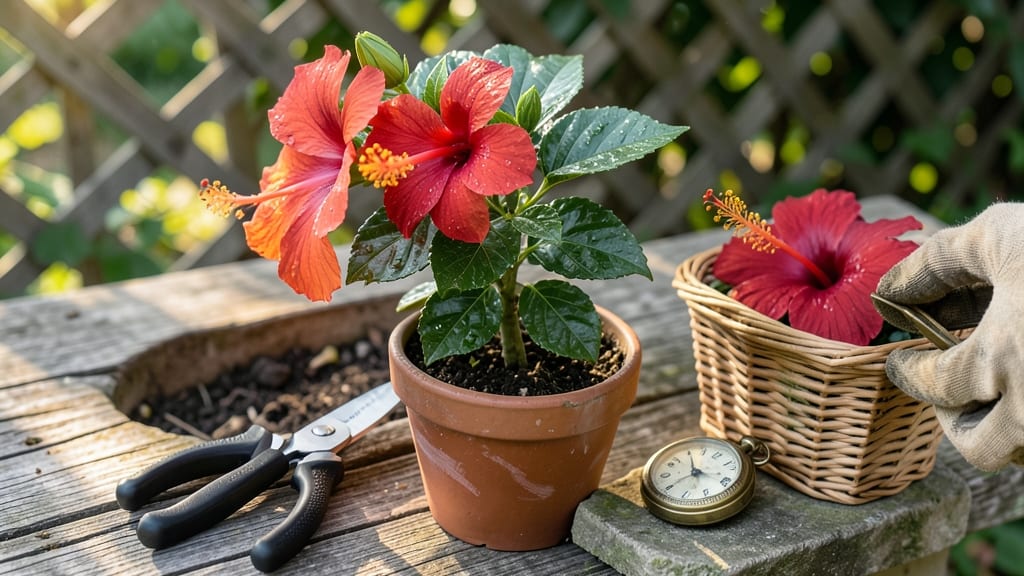
Harvesting hibiscus flowers for tea at the right moment transforms a good brew into an exceptional one—bright, tart, and packed with flavor.
Picture this: You’ve been waiting all summer for your 🌸 hibiscus to bloom, but there’s a 3-day window where the petals hit peak perfection. Miss it, and you’re left with dull, bitter tea that lacks the vibrant color and depth you crave.
The secret lies in watching for fully open blooms with crisp petals—no wilting or curling—and harvesting them in the morning after the dew dries. This timing isn’t just about taste; it’s also how you preserve the medicinal properties that make hibiscus tea so special.
In this guide, I’ll walk you through the exact cues to look for, from color shifts to stem firmness, plus how to dry your harvest for the best results. Let’s turn your garden into a tea cupboard!


Hibiscus flower color shifts: the 3-Day harvest window explained
Hibiscus flowers undergo a 3-day color transformation that signals peak harvest time. Watching for these subtle shifts ensures your tea has the perfect balance of tartness and sweetness. The key lies in understanding how red, pink, and white varieties change hue before they wilt.
For red hibiscus, the ideal harvest window begins when petals shift from deep crimson to a vibrant, slightly faded red. This change indicates the flower has reached maximum anthocyanin content, which boosts both color and antioxidant levels in your tea.
Pink hibiscus varieties follow a similar pattern, transitioning from bright pink to a soft peach tone. This shift happens 24-48 hours before wilting, marking the sweet spot for harvesting. The petals will feel crisp and slightly leathery to the touch.
White hibiscus flowers are trickier to time—they shift from pure white to a pale cream hue. Since they lack pigment changes, focus instead on petal texture and fragrance as your primary cues. These flowers often have a 3-day window from full bloom to harvest.
| Variety | Peak Color Shift | Harvest Window | Flavor Impact |
|---|---|---|---|
| Red | Deep crimson → vibrant faded red | 24-48 hours | Balanced tartness |
| Pink | Bright pink → soft peach | 48-72 hours | Sweet-tart blend |
| White | Pure white → pale cream | 72 hours | Mild, floral notes |
Harvesting too early results in underdeveloped flavors and pale tea. Waiting too long causes bitter, astringent notes as the petals start to wilt. The 3-day window gives you a narrow but crucial opportunity to capture peak flavor.
Morning harvests yield the brightest, most aromatic flowers because dew has evaporated but temperatures are still cool. This preserves the volatile oils that contribute to hibiscus's signature tartness. Avoid harvesting after midday heat, which can cause premature wilting.
Color shifts aren't the only indicator—also check for slightly curled petal edges and a woody stem base. These signs confirm the flower has reached maturity. If you miss the window, the petals will darken and become leathery or brittle, ruining your tea's quality.
For consistent results, harvest every 2-3 days during peak bloom season (July-September in most climates). This ensures you're always collecting flowers at their optimal color stage. Store harvested flowers in a paper bag in the shade until you're ready to dry them.
Pro tip: Keep a small notebook by your garden to track color changes by variety. Over time, you'll develop an instinct for when each hibiscus type is ready. This attention to detail makes all the difference in crafting exceptional hibiscus tea with every batch.
Leaf curl and stem signals: hidden clues for perfect harvest timing
Hibiscus leaves and stems whisper secrets about your harvest timing—you just need to listen. Healthy leaf curl isn’t always a red flag; it can signal maturity when paired with other cues. The key lies in distinguishing between natural ripening and stress-related curling, which often stems from overwatering or pests.
Pay attention to the stem firmness and leaf texture, as these reveal when flowers are primed for picking.
Start by examining the leaf edges. When hibiscus leaves curl gently inward along the veins—without browning or crispiness—this often means the plant is directing energy toward flower maturation. This maturity curl appears 2-3 days before peak bloom, giving you a 24-hour harvest window to act.
High humidity can exaggerate this curl, so check stems for woody stiffness to confirm readiness.
Stress signals: Yellowing, browning edges, or leaves curling outward + soft stems = overwatering or pests. Harvesting these flowers yields bitter, weak tea.
Maturity signals: Inward curl + firm stems + crisp petals = ideal harvest. Ignore these cues, and flowers may wilt before full tea potential.
Humidity plays a sneaky role in these signals. In high-humidity climates, leaves may curl more aggressively as a natural defense, but stems should still feel slightly woody at the base.
If your garden is dry and windy, look for tight leaf clusters near the flower buds—this indicates the plant is conserving moisture for bloom development. Always pair leaf checks with a stem firmness test by gently pressing near the bloom.
Don’t overlook the stem’s role in timing. A ready-for-harvest stem feels firm when pinched and has a slightly thicker base near the flower. If stems bend easily or ooze sap when cut, the plant is stressed, not mature.
Pro tip: Harvest stems just below a leaf node to encourage bushier growth and more blooms. This small technique boosts your tea yield by 30% over time.
Seasonal humidity shifts can throw off your cues. In summer’s peak heat, leaves may curl to reduce water loss, but stems remain firm—this is normal. Conversely, fall’s cooler mornings often bring tighter leaf curls as the plant prepares for dormancy.
Time your harvests for late morning when dew has evaporated but humidity is still high, locking in maximum anthocyanin richness (the compound that gives hibiscus tea its deep color).
Mastering these signals transforms guesswork into precision. Next time you see those inward-curling leaves, pair them with a stem firmness check and a sniff of the bloom’s fragrance.
When all three cues align—curl, firmness, and fragrance—you’ve found your perfect harvest window. Your tea’s flavor, color, and even caffeine content will thank you. 🌸