
How To
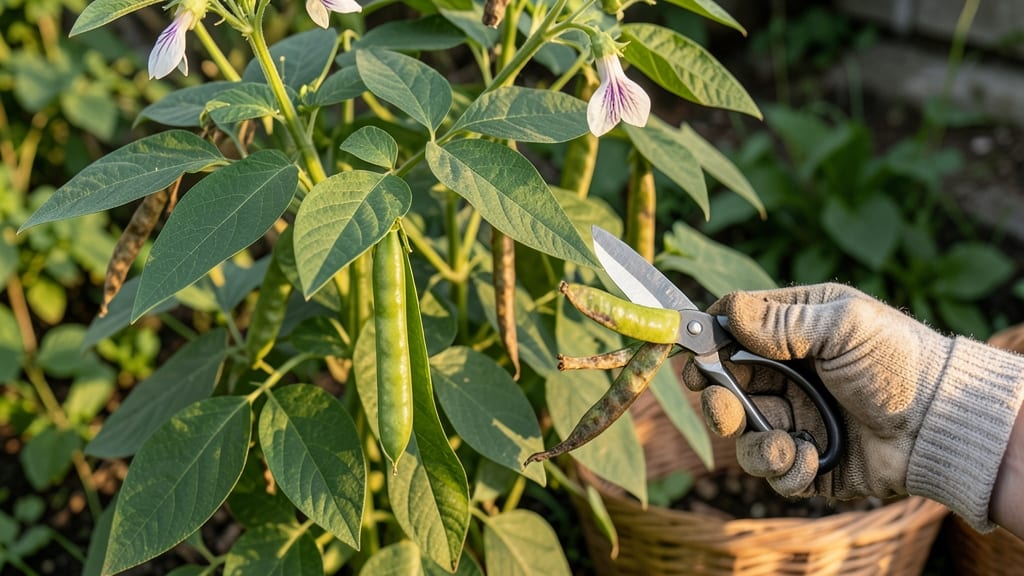
Harvesting kidney beans at the right time means tender, flavorful pods packed with protein—wait too long, and you’ll end up with tough, dry beans that taste like cardboard.
I’ve watched my 🌱 kidney beans go from promising little pods to woody sticks in a matter of days, and trust me, the difference in texture (and taste) is night and day.
Knowing when to pick isn’t just about size—it’s about color, firmness, and even the sound of the seeds inside. A pod that’s too small or too mature can ruin your harvest, so let’s break down the exact cues to watch for.
From the 70–90 days it takes to reach maturity in Zone 6a to the best way to test for readiness, you’ll learn how to time your harvest for maximum yield and the best flavor.


How to identify the perfect harvest time for kidney beans
Harvesting kidney beans at the right moment ensures you get the best flavor and texture. These beans are ready to pick when they’re 4–6 inches long and still tender, not allowing the seeds inside to harden.
If you wait too long, the pods become tough and stringy, ruining their culinary quality. The key is to check your plants regularly once they start flowering, as pods mature quickly.
Look for deep green, glossy pods that feel firm to the touch but yield slightly when pressed. The skin should resist gentle pressure without feeling mushy or spongy. Overripe pods often turn pale or develop brown spots, signaling it’s past the ideal harvest window.
Paying attention to these visual and tactile cues will help you time your harvest perfectly.
| Sign | Description | Action |
|---|---|---|
| Pod Size | 4–6 inches long | Harvest immediately |
| Pod Color | Deep, consistent green | Check for firmness |
| Seed Development | Plump but not hard | Use the rattle test |
| Texture | Firm, crisp skin | Harvest for best flavor |
A simple but effective trick to test kidney bean ripeness is the rattle test. Hold a pod up to your ear and give it a gentle shake. If you hear seeds moving inside with a slight rattle, it’s time to harvest.
This indicates the seeds are fully developed but still tender. If the pod feels hollow or makes no sound, it’s likely overripe and past its prime.
Another important cue is the growth rate of new pods. If you notice younger pods forming while older ones are still green, prioritize harvesting the mature ones first.
This encourages the plant to focus on producing more pods rather than letting existing ones overripe. Regular harvesting also extends the overall yield, giving you a longer harvest window.
Early morning is the best time to harvest kidney beans, as the pods are firmer and cooler. Avoid picking after heavy rain or when the plants are wet, as this can lead to mold or rot.
Use a sharp pair of pruning shears or garden scissors to snip the pods cleanly, leaving a small stem attached. This reduces damage to the plant and encourages more production.
If you’re growing kidney beans in hotter climates, pods may mature faster and require more frequent checks. In cooler regions, the harvest window might stretch longer, but always monitor for the signs of ripeness.
Paying close attention to these details ensures you enjoy the best-tasting beans straight from your garden.
Once harvested, kidney beans can be used fresh, dried, or frozen for later use. Fresh pods are best enjoyed within a few days, while dried beans store well for months.
Proper timing at harvest sets the stage for delicious meals all season long. With these cues in mind, you’ll never miss the perfect moment to pick your kidney beans.
🌱 For extra flavor, try harvesting pods in the morning when they’re at their crispest.
Kidney bean harvesting mistakes to avoid for maximum yield
Harvesting kidney beans at the wrong time can turn your garden bounty into tough, flavorless pods. I’ve seen over-mature kidney beans become so fibrous they’re nearly inedible, while underripe pods never develop their full sweetness.
The key is timing—both when you pick and how often you check your plants. Even a day or two past the ideal window can make all the difference in texture and taste.
One of the biggest mistakes is harvesting too late, when pods turn pale or develop brown spots. These signs mean the seeds inside have hardened, and the pods become woody.
In my garden, I’ve lost entire batches because I missed the 70–90 day maturity window and didn’t check frequently enough. Weather plays a huge role here—hotter climates speed up maturation, while cooler zones extend the harvest season naturally.
Harvesting Too Early or Too Late
Too Early: Pods <3 inches long or soft—seeds won’t develop properly. Too Late: Pods turn pale, seeds harden, and texture becomes stringy. Ideal Window: 4–6 inches long with firm, deep green skin and a slight rattle when shaken.
Another common error is ignoring weather patterns that affect harvest timing. Heavy rain before picking can cause pods to swell and soften, while extreme heat can accelerate maturation. I once harvested a batch after a heatwave, only to find the pods had matured overnight.
Always check for deep green color and firmness—these are your best indicators, regardless of the forecast.
Overlooking the rattle test is another mistake that cuts yields short. A hollow-sounding pod means the seeds are fully developed and the pod is past its prime.
I now make it a habit to shake a few pods daily once they reach 3 inches—this simple check saves me from harvesting too late. If you hear seeds rattling clearly, grab your pruning shears and pick immediately for the best flavor.
To extend your harvest season, try succession planting in warmer climates. By staggering plantings every 2–3 weeks, you can enjoy fresh pods for months. In cooler zones, focus on harvesting younger pods first—this encourages the plant to produce more while the older pods are still tender.
I’ve found that picking every 2–3 days keeps my plants productive and prevents over-maturation.
Finally, avoid harvesting after rain or when pods are wet. Damp conditions promote fungal diseases like powdery mildew, which can ruin your entire crop. Always pick in the morning when pods are dry and firm.
With these tips, you’ll maximize your yield and enjoy kidney beans at their peak—tender, flavorful, and ready for your favorite recipes.
🌱 Pro Tip: Mark your calendar 70–90 days after planting to remind yourself to check pods daily during peak season.