
How To
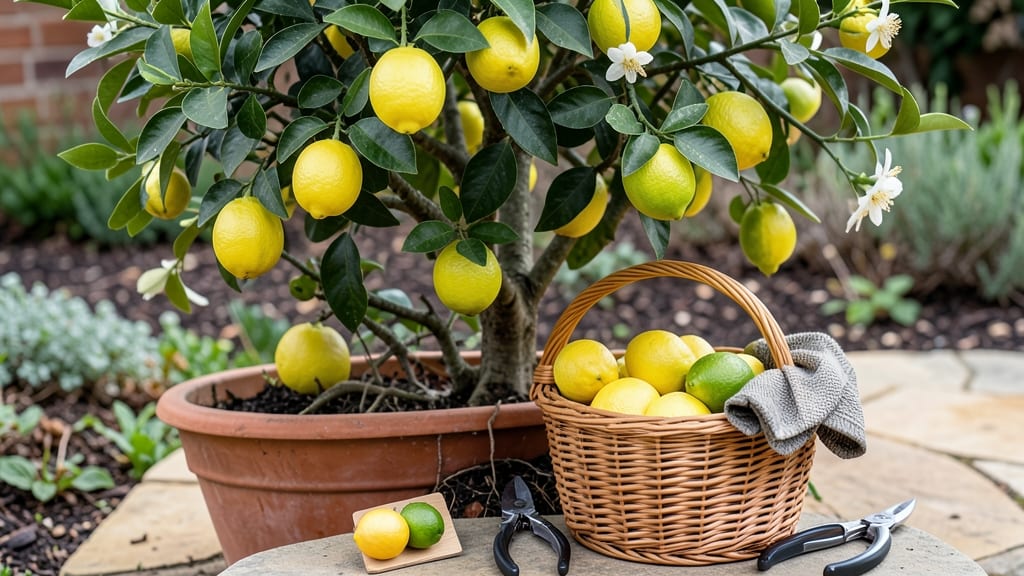
Harvesting Meyer lemons at the right time means the difference between tart and sweet, firm and mealy—so knowing when to harvest these 🍋 citrus gems is the key to perfect flavor.
Picture this: you’ve been waiting months for that first ripe lemon, only to bite into one that’s still green-tinged and sharp. Or worse, you wait too long and end up with a wrinkled, overripe mess.
The good news? With a few simple visual cues, you can nail the harvest window every time.
Color shifts from green to bright yellow, a slight give when you gently squeeze, and that irresistible citrus aroma—these are the telltale signs your Meyer lemons are ready.
But timing also depends on whether your tree is basking in full sun outdoors or struggling under indoor lighting, which can shift the harvest window by weeks.
Below, I’ll break down the exact color and size benchmarks, the foolproof peel test, and how to adjust your harvest schedule based on your climate. By the end, you’ll never second-guess when to pick another lemon again.


How to identify Meyer lemon ripeness by color and size
Meyer lemons reach their peak flavor when harvested at the right moment—too early, and they’re tart and underdeveloped; too late, and they lose sweetness. The key lies in two simple but critical visual cues: color progression and size benchmarks.
Unlike regular lemons, Meyer lemons stay on the tree longer, making precise timing essential for that signature sweet, floral taste you love.
Start by observing the fruit’s color transition. Young Meyer lemons are bright green, but as they ripen, they shift to a yellow-green hue, eventually deepening to a golden yellow. This change signals the fruit’s natural sugar development.
However, don’t wait for a fully bright yellow color—overripe lemons can become mealy and lose their vibrant flavor. Pay attention to the base of the lemon, where the color shift often begins.
The size of a ripe Meyer lemon typically falls between 2.5 to 3.5 inches in diameter. Lemons smaller than 2 inches are usually underripe and lack the juicy, sweet flesh you crave. On the other hand, lemons larger than 4 inches may have overdeveloped seeds or a less concentrated flavor.
Use a ruler or your hand as a quick reference—most ripe Meyer lemons fit snugly in your palm.
| Ripeness Stage | Color | Size (Diameter) | Texture | Harvest Time |
|---|---|---|---|---|
| Unripe | Bright green | Under 2 inches | Hard, firm | Not ready |
| Partially Ripe | Yellow-green | 2–2.5 inches | Slightly yielding | Monitor closely |
| Fully Ripe | Deep yellow | 2.5–3.5 inches | Firm but slightly soft | Perfect harvest |
| Overripe | Pale yellow | Over 4 inches | Soft, wrinkled | Avoid |
Seasonal variations play a huge role in ripening. In coastal climates, Meyer lemons often ripen faster due to warmer temperatures and higher humidity, while inland or high-desert regions may see a slower color shift.
If your tree is in a potted container, lemons might ripen 1–2 weeks later than those in the ground because roots struggle to absorb enough moisture and nutrients. Always adjust your expectations based on your local microclimate.
Another trick is to check the stem end of the lemon. As it ripens, the color near the stem often turns yellow first, followed by the rest of the fruit. This is your first visual cue that the lemon is nearing harvest.
If the stem end remains green while the rest of the lemon yellows, it’s a sign the fruit is ready to pick soon. Pay attention to this detail—it’s an early indicator of ripeness.
Don’t rely solely on color or size—combine both cues for the best results. A lemon that’s yellow but smaller than 2.5 inches might still need time, while a large lemon that’s still green could be overripe if left longer.
Balance these factors to ensure you’re harvesting at the peak of sweetness and flavor. When in doubt, perform the peel test (which we’ll cover in the next section) to confirm ripeness.
If you’re growing Meyer lemons in USDA Zone 9b or warmer, you can expect year-round harvests, with peaks in late spring to summer. However, in cooler climates (like Zone 8 or colder), lemons may never fully ripen on the tree.
In these cases, harvest when they’re yellow-green and fully sized, then let them ripen indoors in a sunny spot for 1–2 weeks to develop their full sweetness.
One common mistake is assuming all lemons on a tree ripen at the same time. Meyer lemon trees often produce fruit in waves, meaning some lemons may be ready while others are still green. To avoid missing the harvest window, check your tree every 3–5 days during peak season.
This proactive approach ensures you don’t let ripe lemons sit too long on the tree, which can lead to bitter or mealy flesh.
Finally, remember that harvest timing affects storage life. Ripe Meyer lemons stored at room temperature will last 1–2 weeks, while those harvested slightly early can be refrigerated for up to 4 weeks to ripen gradually.
Plan your harvests accordingly to enjoy fresh, sweet lemons all season long. With these visual cues, you’ll never miss the perfect moment to pick them again! 🌱🍋
The peel test: the most reliable way to check sweetness
Harvesting Meyer lemons at the right time ensures maximum sweetness and flavor. While color and size matter, the peel test is the most accurate way to gauge ripeness. This simple method reveals whether your lemons are ready to pick or still need time on the tree.
The peel test focuses on three key factors: thickness, color, and how easily the peel separates from the fruit. A perfectly ripe Meyer lemon will have a thin, bright yellow peel that peels away smoothly with minimal resistance. Let’s break down how to perform this test correctly.
⚠️ callout warning
⚠️ Avoid These Peel Test Mistakes
1. Testing too hard: Pressing too firmly can bruise the fruit and give false results. Use gentle pressure—just enough to feel resistance. 🤏
2. Ignoring peel color: A green or pale yellow peel means the lemon isn’t ripe, even if it feels soft. Aim for a vibrant yellow hue with no green patches. 🟡
3. Harvesting in cold weather: Meyer lemons ripen best in warm conditions. If temperatures drop below 50°F (10°C), the peel test becomes unreliable. ☀️
Start by examining the peel thickness. A ripe Meyer lemon will have a peel that’s about 1/8-inch thick and feels slightly waxy to the touch. If the peel is thicker than a credit card, the lemon likely needs more time on the tree.
Next, check the peel color. The ideal ripe Meyer lemon will have a bright yellow peel with no green undertones. If you see even a hint of green, the lemon isn’t fully sweet yet. Use a flashlight in shaded areas to spot hidden green spots.
Finally, perform the peel separation test. Gently press your thumbnail into the peel near the stem. If it peels away cleanly with slight resistance, your lemon is ready. If the peel resists or tears, it’s not ripe enough. Overripe lemons will peel too easily and may feel mushy.
For the best flavor, harvest Meyer lemons in the morning when temperatures are cooler. This ensures the peel test results are accurate and the fruit stays fresh longer. Store harvested lemons in a cool, dry place away from direct sunlight to preserve their sweetness. 🍋