
Plants
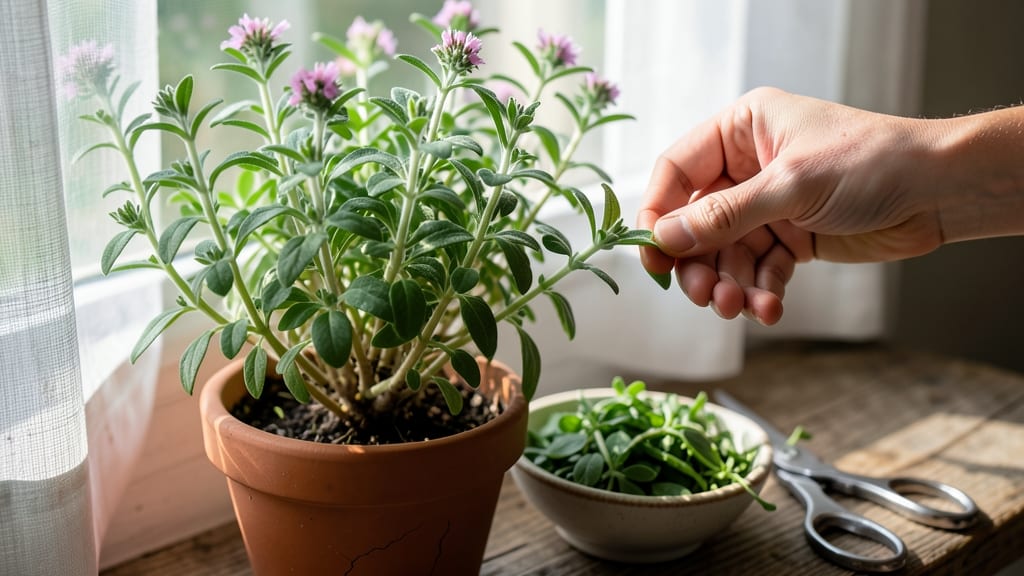
Harvesting your oregano plant at the right time ensures its bold, aromatic flavor stays front and center in your cooking.
Picture this: you’ve nurtured your 🌿 oregano all season, and now it’s towering, fragrant, and ready—but wait too long, and those leaves turn bitter. The secret lies in watching for dark green, fully developed leaves and a strong scent when crushed, usually 60 to 90 days after planting.
Regional differences matter too. In USDA Zone 6a, aim for late spring through early fall, while milder climates can harvest year-round. Below, I’ll break down the exact signs to watch for, plus how to keep your oregano thriving for multiple harvests.
You’ll learn how to trim for regrowth, when to stop before flowering dulls the flavor, and simple storage tricks to preserve that garden-fresh taste.


Optimal oregano leaf size for harvesting: visual and growth stage guide
Timing your oregano harvest is everything—1-2 inch leaves packed with flavor mark the perfect moment. When you harvest too early, the leaves lack intensity, and waiting too long turns them bitter as the plant flowers.
I’ve learned that 4-6 weeks after planting is when my oregano hits peak flavor, but only if I watch for these key visual cues.
First, focus on leaf size and color. Ideal harvest leaves should be 1-2 inches long with a deep green hue. If your oregano leaves are smaller than a nickel, they’re not ready—give them more time to mature.
The leaves should also feel slightly fuzzy to the touch, a telltale sign of full development and maximum oil production, which carries that signature oregano aroma.
Don’t rely solely on leaf size—crush a few leaves between your fingers to test their aroma. The best oregano should smell intensely herbal, almost like a burst of Italian seasoning. If it smells weak or earthy, your plant needs more time to develop.
I always harvest mine in the morning after the dew has dried, as this is when the essential oils are at their peak concentration.
Another key indicator is the stem flexibility. When your oregano stems are firm but still bendable (not brittle), the plant is ready. Brittle stems mean the plant is past its prime, and the leaves will taste harsh.
I prune my oregano plants back by about one-third after each harvest to encourage bushier growth and prevent woody stems from forming too quickly.
For container-grown oregano, timing is even more critical since space is limited. Harvest leaves from the outer stems first to avoid overcrowding the center. If your potted oregano reaches 6-12 inches tall and has a dense, bushy appearance, it’s ready.
Just be sure to leave at least 2-3 inches of new growth after each cut to keep the plant thriving.
Regional climate plays a role too. In warmer zones (USDA 8-10), oregano grows faster, and you can harvest as early as 3-4 weeks post-planting. In cooler areas (USDA 5-7), wait until 6-8 weeks when nighttime temperatures stay above 50°F.
I’ve found that my zone 6a oregano thrives with a late spring harvest, just as the soil warms consistently.
Pro tip: Harvest oregano before flowering begins, as this is when the plant shifts energy from leaf production to seed development. Once those tiny purple flowers appear, the leaves lose their signature flavor.
I always make a point to check my plants weekly during peak growing season—June through August—to catch the perfect harvest window before flowers even appear.
After harvesting, store your oregano properly to preserve that hard-earned flavor. Bundle stems and hang them upside down in a dry, dark place for 1-2 weeks until fully dried. Or, lay leaves on a paper towel in a single layer for 3-5 days of air drying.
Proper storage ensures you get the most out of your harvest, making every pruning session worthwhile.
Flower stage harvesting rules: when to trim for regrowth vs final harvest
When your oregano plant finally blooms—usually around 3-4 months after planting—it’s a clear signal that your harvest timing decisions will make or break its flavor.
Flowers trigger a shift in the plant’s energy, redirecting nutrients from leaves to seed production, which weakens that signature Mediterranean aroma you love in your cooking.
The key is balancing regrowth pruning (to encourage more leaves) with final harvest timing (to preserve flavor before winter). If you wait too long, your oregano will taste bitter and woody.
But if you prune too aggressively, you might stunt its growth entirely. Let’s break down the critical decisions at each stage.
Pruning for Regrowth vs Final Harvest
Prune for Regrowth
- When: Before 10-15% of buds open
- Why: Encourages leafy regrowth
- How: Trim 1/3 of stems just above leaf nodes
- Result: 2-3 more harvests per season
Final Harvest
- When: After 50% of flowers open or before first frost
- Why: Preserves peak flavor before plant goes dormant
- How: Cut all stems to 2-3 inches from base
- Result: Last harvest of the season
For continuous harvests, I recommend pruning your oregano every 4-6 weeks during the growing season (spring through early fall). Always use clean, sharp shears to avoid damaging stems, and focus on removing flower buds as soon as they appear.
This redirects the plant’s energy back to leaf production, giving you 3-4 harvests instead of just one.
If you’re in a warmer climate (USDA zones 8-10), you can extend your harvest season by pruning lightly even in winter—just avoid cutting back more than 25% of the plant.
In colder regions, your final harvest should happen 2-3 weeks before the first frost to ensure the plant has time to recover and store energy for next spring.
One common mistake I see is waiting until the flowers are fully open before harvesting. By then, the leaves have already lost up to 40% of their flavor as the plant shifts resources to seed production.
Instead, watch for tiny buds forming—that’s your cue to prune aggressively for regrowth or prepare for your final harvest.
Pro tip: Bundle your harvested stems and hang them upside down in a dry, dark place for 1-2 weeks before stripping the leaves. This slow-drying process preserves maximum aroma and prevents mold.
Store dried oregano in airtight containers away from light for up to 12 months—though it’s best used within 6 months for peak flavor.