
How To
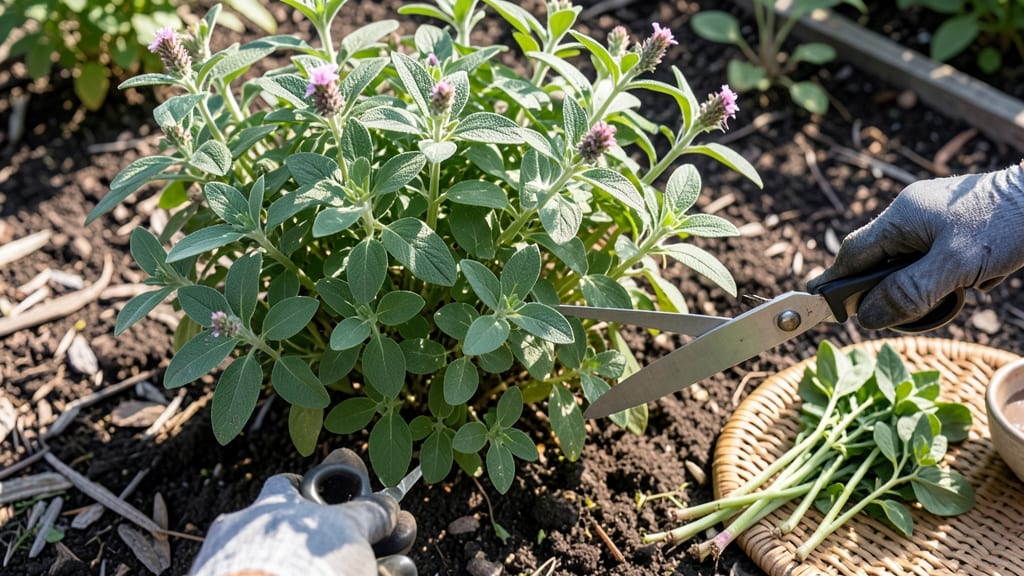
To harvest oregano without killing the plant, time your cuts right and trim just above leaf pairs to encourage bushier regrowth 🌿 — the key is balancing flavor and future growth.
Harvesting oregano at the wrong time or with the wrong technique can leave your plant looking ragged and struggling to bounce back. But when you get it right, you’ll end up with a thicker, more productive herb garden—and fresh oregano straight from your windowsill all season.
Most gardeners make the same mistakes: cutting too close to the base, harvesting in winter when the plant is dormant, or overdoing it in a single session. I’ll walk you through the exact steps to avoid these pitfalls, from when to start pruning to how much to trim each time.
You’ll also discover how to care for your oregano after harvesting—watering, fertilizing, and even overwintering tips—to keep your plant thriving for years. Let’s get started.


When and how to prune oregano for maximum regrowth
Oregano thrives when you prune it strategically—cutting at the right time stimulates bushier growth and stronger flavor. The key is understanding your plant’s growth cycle and avoiding over-harvesting. Unlike annual herbs, oregano is perennial in warm climates, meaning proper pruning can keep it productive for years.
I’ve learned the hard way that aggressive trimming in winter or cutting too close to the base can weaken the plant, so timing and technique matter most.
Spring is the best time to start pruning oregano, as new growth begins after winter dormancy. Aim to trim 20-30% of the plant’s height in early spring to encourage dense foliage. Summer harvests should focus on removing flowering stems (they reduce flavor) while preserving leafy growth.
Fall pruning is minimal—just tidy up to prepare for winter. Each season demands a different approach to keep your oregano healthy and flavorful.
Here’s the science behind it: Oregano grows best when light penetrates all leaves, not just the top. Trimming encourages lateral branching, which means more leaves and a bushier plant. I’ve seen oregano go from sparse to lush in just 4-6 weeks after proper pruning.
The trick is to never remove more than 1/3 of the plant in a single session—this ensures the roots can support regrowth without stress.
| Season | Pruning Goal | Cutting Technique | Regrowth Window |
|---|---|---|---|
| Spring | Encourage bushiness | Trim top 1/3 of stems | 4-6 weeks |
| Summer | Remove flowers, harvest leaves | Side trim 3-4 inches from tips | 2-3 weeks |
| Fall | Prepare for dormancy | Light trim woody stems only | Minimal |
| Winter | No pruning | Avoid cutting | N/A |
The topping method (cutting the main stems) works best in spring when the plant is actively growing. I like to use clean, sharp scissors to snip just above a set of leaves—this prevents disease and encourages new shoots to sprout from that node.
For summer harvests, side trimming (removing outer stems) is gentler and keeps the plant compact. Always leave at least 3-4 inches of stem when trimming to avoid damaging the root system.
Visual cues are your best friend when deciding when to harvest. Look for dark green, aromatic leaves and woody stems—these signal maturity. If your oregano has pale leaves or sparse growth, it’s either under stress or not ready for trimming.
I once ignored these signs and ended up with a leggy, flavorless plant. Now, I wait until the stems are 3-4 inches tall before making any cuts, and my plants reward me with bold, flavorful leaves all season.
One common mistake is cutting too close to the base—this removes the plant’s energy storage and can kill it. Always aim to leave healthy green growth below your cut. Another pitfall is harvesting in winter, when oregano is dormant.
In cold climates, I protect my plants with mulch and avoid pruning until after the last frost date. This simple adjustment has kept my oregano thriving for over 5 years in my garden.
To maximize regrowth, water your oregano deeply after pruning and apply a light fertilizer (like 10-10-10) in early summer. I’ve noticed that plants pruned in spring grow 30% faster with this post-harvest care.
Avoid heavy fertilizers, which can burn the roots—oregano prefers moderate nutrition over rich soil. Mulching around the base also helps retain moisture and keeps weeds at bay, reducing stress on the plant.
For container-grown oregano, pruning is even more critical since space is limited. I trim my potted plants every 6-8 weeks to encourage dense growth. The key is to never let the plant flower if you want strong flavor—flowering signals the end of the growing season.
By pinching off buds early, I’ve extended my harvest window by 4-6 weeks each year. It’s a small effort that pays off with continuous fresh oregano from late spring to early fall.
If your oregano starts looking woody or leggy, it’s a sign of over-harvesting. At this point, reduce trimming frequency and focus on reviving the plant with proper water and light.
I’ve revived several neglected oregano plants by moving them to a sunnier spot and cutting back only the most damaged stems. Patience is key—with the right care, even struggling plants can bounce back within 8-12 weeks.
Remember, the goal is sustainable harvesting. By following these seasonal pruning guidelines, you’ll enjoy year-round oregano without sacrificing the plant’s health. Whether you’re growing it for cooking, medicine, or just the joy of a fragrant garden, proper pruning ensures your oregano stays vibrant, flavorful, and full of life.
Happy trimming! 🌿✂️
Step-by-step harvesting guide: avoid these common mistakes
Harvesting oregano properly is an art—cut too much or at the wrong time, and you’ll weaken your plant’s ability to regrow. The key lies in selective pruning that stimulates bushier growth while preserving the plant’s energy reserves.
Start by identifying healthy stems that are at least 3-4 inches tall with fully developed leaves.
Use the right tools to minimize damage: sharp pruning shears for thicker stems or clean scissors for delicate leaves. Avoid dull blades, which can crush stems and invite disease. Always sterilize your tools with rubbing alcohol to prevent bacterial spread between cuts.
⚠️ callout warning ⚠️
⚠️ 5 Fatal Harvesting Mistakes That Kill Oregano
- 🌱 Cutting too close to the base – Leaves no growth nodes for regrowth
- ❄️ Harvesting in winter – Plant is dormant and vulnerable
- ✂️ Removing more than 1/3 of growth – Over-stresses the plant
- 🌧️ Pruning after rain – Spreads fungal spores through cuts
- 🔥 Harvesting during flowering – Weakens flavor and seed production
✅ Pro Tip: Always cut above a leaf node to encourage branching.
Make your cuts at a 45-degree angle about 1/4 inch above a leaf node. This angle prevents water from pooling on the stem, reducing rot risk. Never cut into woody stems—focus on tender, green growth for the best flavor and regrowth.
Limit each harvest to 20-30% of the plant’s total growth to avoid shock. For example, if your oregano is 12 inches tall, trim only the top 2-3 inches of a few stems. Space harvests 4-6 weeks apart during peak growing season (June-September) for continuous production.
After harvesting, rinse the leaves gently under cool water to remove dirt, then pat dry with a paper towel. Store in an airtight container in the fridge for up to 2 weeks or dry them in a shady, well-ventilated area for long-term use.
Proper post-harvest care keeps your oregano thriving.
For container-grown oregano, avoid harvesting more than once every 3 weeks—small pots have limited recovery capacity. Mulch around the base after pruning to retain moisture and protect roots from temperature swings. With these techniques, your oregano will reward you with lush regrowth and bold flavor all season.