
How To
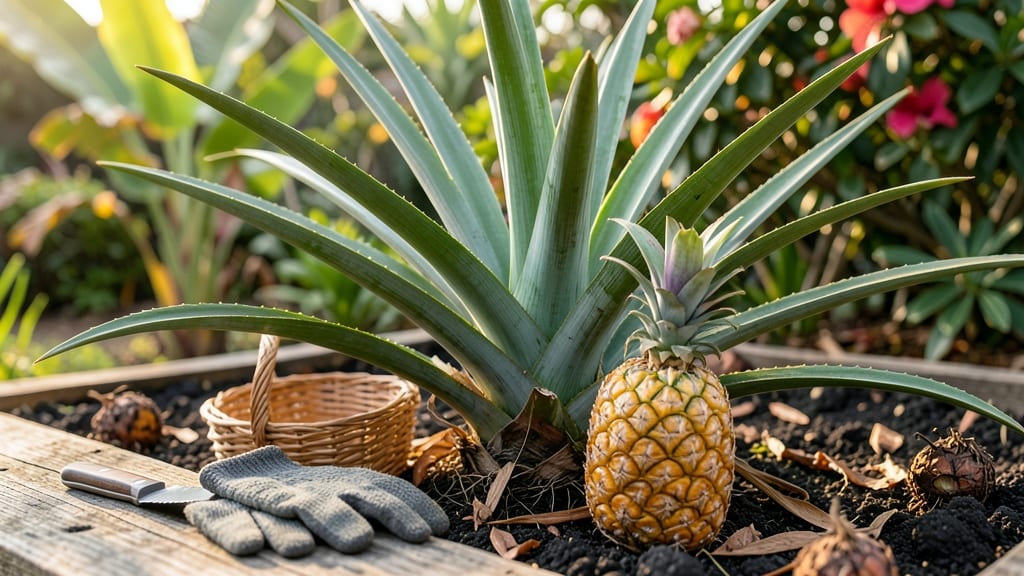
Harvesting a pineapple at the right time means the difference between a juicy, sweet fruit and one that’s tart or underripe. The key is watching for three simple cues: color shifts, scent changes, and leaf behavior.
Picture this: you’ve waited 18-24 months for your 🍍 to ripen, and now you’re staring at a fruit that looks ready—but is it? Overripe pineapples taste bitter, while underripe ones lack flavor.
The trick is catching that perfect window when the base turns golden-yellow, the leaves at the bottom brown slightly, and a sweet, tropical aroma fills the air.
Climate plays a role too—hotter regions speed up ripening, while cooler areas may need extra time. Below, I’ll walk you through the exact signs to look for, plus how to fix a pineapple that’s harvested too soon (yes, it can still ripen!).
By the end, you’ll know exactly when to harvest pineapple for maximum sweetness—no guesswork, just science-backed tips for home gardeners in zones 10-12.


How to tell when pineapple is ripe using scent, color, and leaf tests
Harvesting a pineapple at the perfect moment ensures maximum sweetness and juiciness. Unlike store-bought pineapples, homegrown ones ripen naturally on the plant—here’s how to spot the 3 key ripeness signs that guarantee peak flavor. These methods work for both tropical climates and container-grown pineapples in warmer zones.
First, focus on the fruit’s color. Most pineapple varieties shift from solid green to golden-yellow or reddish hues when ripe. Some tropical varieties like 'Sugarloaf' develop a pinkish tint. This color change signals the fruit’s natural sugars have fully developed, making it irresistibly sweet.
The base of the pineapple is another critical clue. When ripe, you’ll notice a yellow-brown discoloration at the bottom, often accompanied by a slight softening. This isn’t rot—it’s a natural sign that the fruit is releasing enzymes to break down its own structure, preparing for harvest. 🍍
Here’s a quick reference for the 3 most reliable ripeness tests you can perform at home:
| Ripeness Test | What to Look For | Action |
|---|---|---|
| Color Change | Fruit shifts from green to golden-yellow, red, or pink (varies by variety) | Check entire surface—uneven coloring means more time needed |
| Base Scent | Sweet, tropical aroma at the base (like pineapple candy) | Sniff near the stem—no smell means it’s not ready |
| Leaf Test | Bottom 2-3 leaves turn brown and crisp while others stay green | Gently tug a leaf—if it pulls out easily, the fruit is ripe |
Next, perform the leaf pull-test for absolute certainty. Gently grasp one of the bottom leaves near the fruit and tug upward. If it comes out easily (or with minimal resistance), your pineapple is ready to harvest.
This happens because the plant’s energy shifts from leaf growth to fruit maturation, weakening the leaf attachment.
Don’t ignore the scent test—this is the most foolproof method for home gardeners. Hold the pineapple near your nose at the base (where the stem meets the fruit). A ripe pineapple will emit a powerful, sweet fragrance reminiscent of tropical candy.
If it smells faint or sour, wait a few more days. Pro tip: Smell it in the morning when scents are strongest.
For container-grown pineapples, these tests work just as well, though ripening may take slightly longer due to limited root space. Pay extra attention to the base scent since color changes can be harder to spot in shaded areas.
If growing indoors, supplement with a grow light to ensure full ripening.
Once you’ve confirmed ripeness, harvest within 24 hours to preserve sweetness. Use a sharp knife to cut the fruit, leaving a 1-inch stem attached—this helps the pineapple ripen further after picking. Store it at room temperature for 2-3 days to let residual sugars develop before refrigerating. 🌿
Remember: Patience is key. Rushing the harvest by 1-2 weeks means a tart, underripe fruit. Conversely, waiting too long risks overripeness, which can make the flesh mushy. Master these 3 tests, and you’ll always harvest pineapples at their sweetest, juiciest peak.
Common mistakes that make pineapples harvest too early or too late
Harvesting a pineapple too early or too late ruins its flavor—yet many gardeners make the same mistakes. The biggest error? Judging ripeness by fruit size or green leaves. A pineapple might look big but still taste tart, while a smaller one can be sweeter and juicier if fully ripe.
Climate also plays a role: hotter zones (10-12) ripen faster, while cooler areas may need extra time.
Another common trap is ignoring the base color and leaf changes. Many assume all pineapples turn golden-yellow, but varieties like 'Red Spanish' ripen to pink or red.
Overlooking these clues leads to bitter, underripe fruit. Even experienced growers often miss the sweet fragrance at the base—a key indicator of peak ripeness.
🚨 CALLOUT-WARNING 🚨
- 🟢 Green leaves at the base mean the fruit isn’t ready—wait for brown/yellow discoloration.
- No sweet smell at the base? It’s not ripe—sniff for a tropical aroma like pineapple or honey.
- Hard, unyielding fruit? Press gently—ripe pineapples give slightly at the base.
🌱 Pro Tip: Harvest in morning hours when temperatures are cooler to preserve sweetness.
Climate mistakes are equally costly. In hot, humid zones, pineapples ripen in 18-20 months, but in cooler microclimates, they may take 24+ months. Ignoring this delay leads to overripe fruit with mushy texture.
Even well-draining soil can’t compensate for temperature fluctuations—consistent warmth speeds up ripening, while cool nights slow it down.
Here’s how to fix a premature harvest: If your pineapple lacks sweetness, place it in a paper bag with a banana (ethylene gas speeds ripening) or move it to a warmer spot (70-80°F).
Check daily for the golden base and fragrant scent. Patience is key—rushing the process ruins the flavor.
Use this quick checklist before harvesting: ☑️ Base color shifts to golden-yellow, pink, or red (varies by variety). ☑️ Leaves at the base turn brown and dry (normal sign of ripeness). ☑️ Sweet, tropical aroma fills the air when you sniff the base. ☑️ Fruit feels slightly soft when pressed gently.
By avoiding these mistakes, you’ll harvest pineapples at their peak sweetness—no more tart surprises or mushy disappointments. Next time, trust the color, scent, and leaf test, not just the size. Your taste buds will thank you! 🍍