
How To
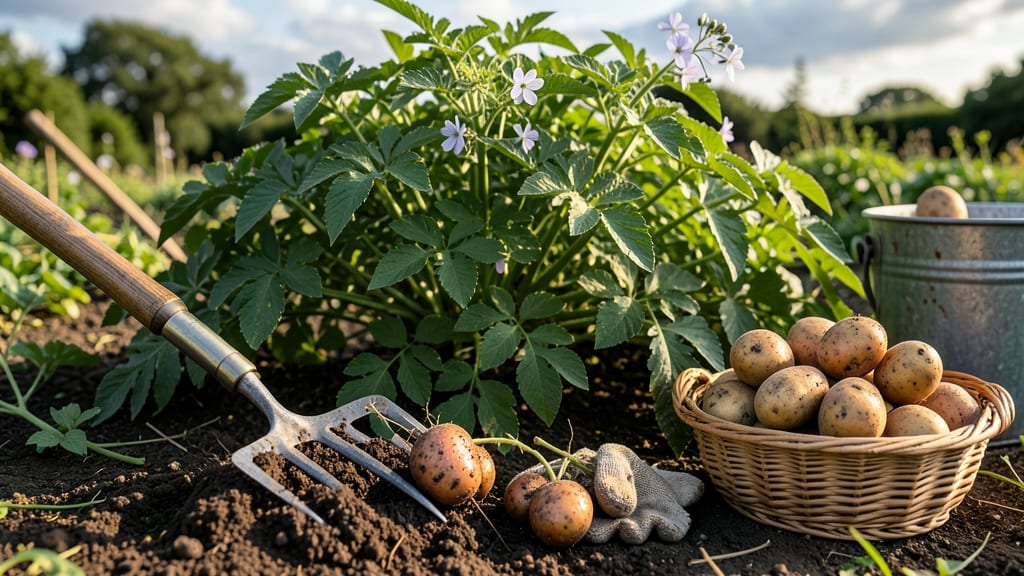
To harvest potatoes in Idaho at the perfect time, watch for soil temperatures dropping below 60°F and foliage turning yellow—these are your clearest signals that the 🥔 tubers are ready.
Idaho’s cool nights and warm days create a unique window where timing matters more than anywhere else. Harvest too early, and you’ll get small, underdeveloped potatoes. Too late, and they’ll turn mealy or even rot in the ground.
The key is balancing soil conditions with the plant’s natural cues—something I learned the hard way after a late-summer frost ruined my first crop.
Most Idaho varieties reach peak flavor when the tops die back naturally, but early-maturing types (like Yukon Golds) may need harvesting before full senescence. Meanwhile, late varieties (such as Russets) can wait until the ground cools further, provided the tubers have reached 2-3 inches in diameter.
In this guide, I’ll break down the exact soil temps, foliage changes, and regional differences (mountain vs. valley) that determine the best harvest window. You’ll also learn how to store your potatoes properly for months of crisp, flavorful meals—no more shriveled spuds in the pantry!


Idaho potato harvest timing: soil temperature & foliage triggers
Timing your potato harvest in Idaho isn’t just about watching the calendar—it’s about reading your plants and soil like a pro. The perfect window arrives when soil temperatures drop below 60°F, foliage starts yellowing, and tuber skins toughen.
These cues signal tubers have reached peak flavor and storage readiness. Idaho’s microclimates (think mountain valleys vs. lowland plains) can shift this window by weeks, so local knowledge matters more than generic advice.
For most Idaho gardeners, harvest season stretches from late July to early October, but early varieties like Yukon Golds may be ready by mid-July in warmer valleys, while late varieties like Russets might linger until late September in cooler mountain regions.
The key is balancing foliage signals with soil conditions—ignore one at your peril.
Here’s the science behind those critical triggers: When nighttime temperatures dip below 60°F, potatoes stop growing and begin converting starches into sugars, which deepens flavor. Meanwhile, the plant’s chlorophyll breaks down, causing leaves to yellow—a classic sign tubers are mature.
But watch out: Idaho’s unpredictable frosts can fool you, especially in high-altitude areas where nights turn chilly earlier.
Let’s compare how early vs. late varieties behave differently in Idaho’s climate. Early potatoes mature in 60-90 days and prioritize soil warmth, while late varieties take 90-120 days and rely on consistent moisture.
Mountain regions often see earlier harvests due to cooler soils, while valley gardens may extend the season by weeks.
In Idaho’s mountain regions, where nights cool faster, potatoes often mature 2-3 weeks earlier than in valleys. For example, gardeners in Coeur d’Alene might harvest Yukon Golds by late July, while those in Boise’s Treasure Valley could extend the season until mid-October.
Use a soil thermometer to track daily temps—this is your best defense against Idaho’s unpredictable microclimates.
Don’t rely solely on foliage color, though. Some disease-resistant varieties (like Red Pontiac) may retain green leaves even when tubers are ready. Instead, combine three cues: yellowing foliage, soil temps below 60°F, and toughened skins.
Pro tip: Gently brush away soil from a few tubers—if the skin is paper-thin but firm, it’s harvest time.
Idaho’s early frosts (especially in high-altitude areas) can turn a perfect harvest into a mealy mess overnight.
If frost is forecasted within 3-5 days, dig immediately, even if foliage isn’t fully yellow. New potatoes (harvested early) can tolerate slightly cooler soils, but mature tubers need stable temps above 50°F for storage.
For late varieties, wait until at least 70% of foliage has died back. This ensures maximum starch conversion in the tubers. In Idaho’s southern valleys, where growing seasons run longer, you might even squeeze in a second planting of late varieties for a fall harvest.
Just monitor soil temps closely—60°F is your magic number.
One common mistake Idaho gardeners make is harvesting based on foliage color alone. While yellowing leaves are a key signal, they don’t tell the full story. Always dig a test tuber to check skin thickness and size.
If tubers are smaller than a tennis ball or still green-skinned, wait another week—especially in cooler mountain gardens.
Remember, Idaho’s diverse
Step-by-step guide: how to test potatoes for harvest readiness in Idaho
Testing potatoes for harvest readiness in Idaho isn’t just about watching foliage—it’s a mix of soil temperature, tuber size, and skin toughness. I’ve learned the hard way that foliage color alone can be misleading, especially in Idaho’s unpredictable mountain microclimates.
The best approach combines multiple methods to ensure you harvest at peak flavor and texture.
Start by checking your soil temperature. Potatoes are ready when daytime temps drop below 60°F—this triggers tuber maturation. In Idaho’s valleys, this usually happens in late August to early September, while mountain regions may wait until mid-September.
Use a soil thermometer to confirm, as Idaho’s cool nights can fool visual cues.
How to Test Potatoes for Harvest Readiness
- Step 1: Check foliage for yellowing or browning—not green. Early varieties may die back completely, while late varieties might just wilt.
- Step 2: Gently dig up one plant and examine the tubers. They should be 2-3 inches in diameter with firm skins.
- Step 3: Test skin toughness—rub a tuber between your fingers. If the skin is thick and papery, it’s ready. Thin or easily scratched skins mean wait longer.
- Step 4: Ignore foliage color if soil temps are still warm—green leaves ≠ unready tubers. Some varieties (like Yukon Golds) mature before foliage dies.
- Step 5: Adjust for Idaho’s frost risk. In mountain areas, harvest 2 weeks earlier than valley regions to avoid early frosts damaging tubers.
Pro Tip: For new potatoes, harvest when tubers are 1-inch diameter—they’re tender and best eaten fresh!
Idaho’s unpredictable spring frosts can throw off timing, so always have a backup plan. If a light frost hits before harvest, cover plants with row fabric to protect foliage while tubers finish maturing. Never harvest after a hard frost, as it damages tubers and invites rot.
Once you’ve confirmed readiness, harvest on a dry, sunny day to let tubers dry before storing. Cure them in a dark, humid space (60-70°F) for 1-2 weeks—this thickens skins and improves storage life. In Idaho’s dry climate, proper curing prevents shriveling during winter storage.
Remember, variety matters. Early varieties like Red Pontiac are ready in 70-80 days, while late varieties like Russet Burbank need 90-110 days. Always check seed packets for maturity dates and adjust your timeline accordingly.